

Computer & Office
Upgrade Your Workspace
Discover premium computer essentials and office supplies designed to boost your productivity and style.
Explore Gear
.webp)
Discover premium computer essentials and office supplies designed to boost your productivity and style.
Explore Gear
Standard delivery charges apply.
Secure handling guaranteed.
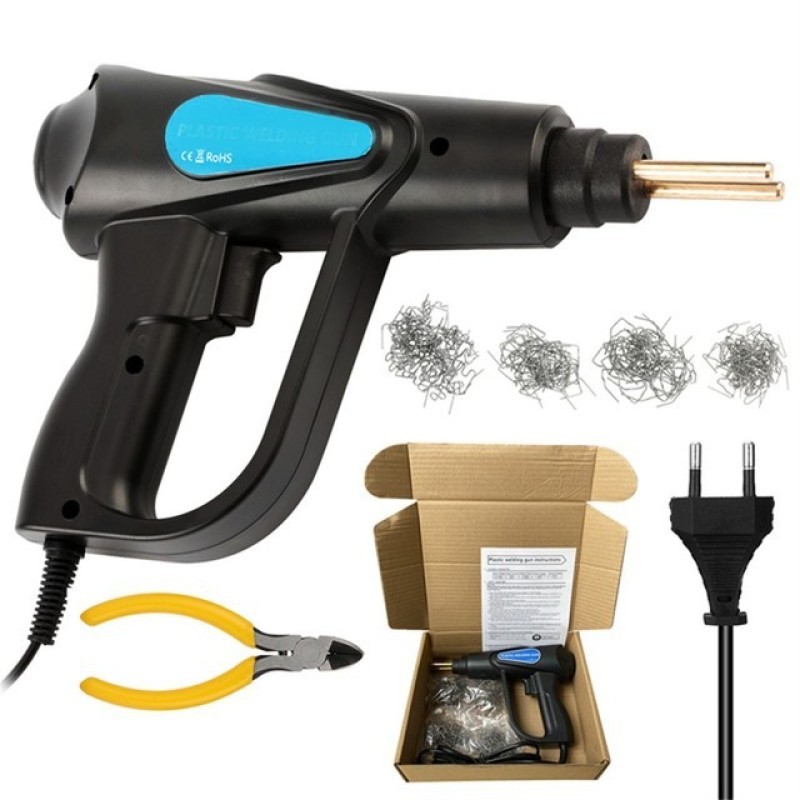
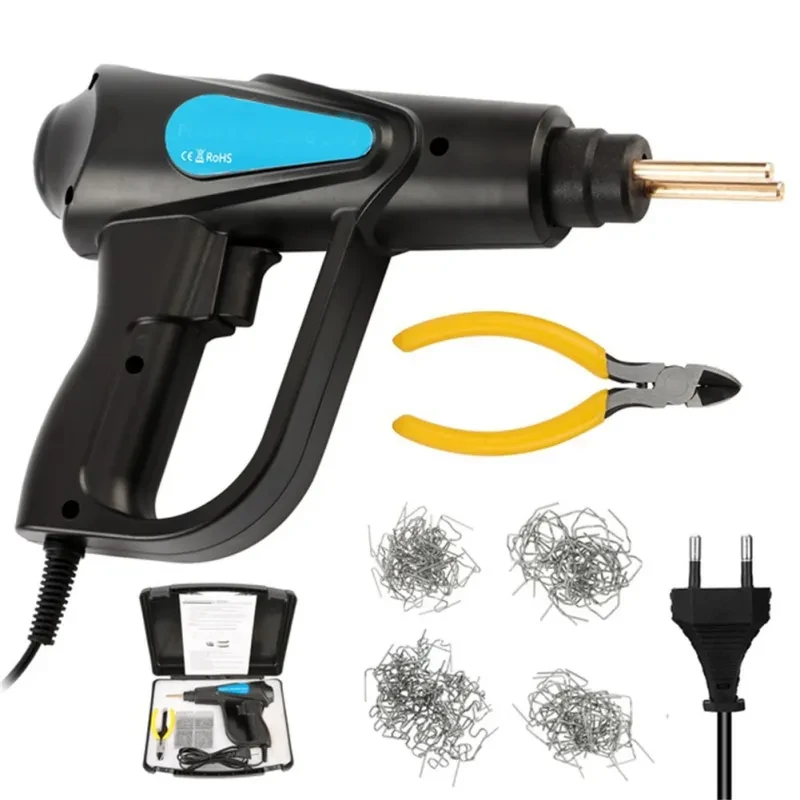
A cracked bumper or broken plastic part can turn a perfectly good item into a headache. Instead of replacing the entire component, many Australians now repair and reinforce plastic using a 70W Plastic Welding Gun. This compact electric tool heats specialised tips to fuse plastic back together, restoring strength and saving both time and money. From car bumper fixes to repairing household items made of nylon, rubber, or PE plastics, it gives you real control over repairs that would otherwise require costly replacements. The 70W heating power delivers steady temperature performance, while the electric drive system keeps operation straightforward and reliable. Small enough for a garage toolbox but powerful enough for serious repairs, it's the kind of gear that quickly becomes a go-to tool whenever plastic breaks.
Plastic repair isn’t always glamorous work. But when the right tool is in your hand, it becomes surprisingly satisfying. Once heated, the welding tip melts the surrounding plastic just enough to bond and reinforce cracks or fractures. That means broken trims, cracked bumpers, and damaged panels can be strengthened rather than tossed out. Over time, that saves a fair bit of money and cuts down on waste as well.
Consistent heating is where this tool really proves its value. Powered by a 220V electric supply and delivering 70 watts of heating strength, the welder warms up quickly and maintains stable temperature during use. That steady heat allows plastic to melt evenly instead of scorching or weakening the surrounding material. Anyone who has tried repairing plastic with makeshift tools will appreciate how much smoother the job becomes.
Versatility also plays a big role here. The welder works across a range of materials including nylon, standard plastics, rubber, and PE-type polymers. In practical terms, that means you’re not limited to a single job. One moment you might be repairing a cracked car bumper. Later on you could reinforce a broken plastic toolbox latch or mend a garden equipment casing.
Electric operation keeps things simple and dependable. Plug it into a standard 220V power source and you’re ready to go. There’s no fuel cartridge, compressor, or bulky setup involved. For DIYers working in a garage or shed, that straightforward design makes life easier.
Safety and electrical reliability matter as well. The tip-to-ground voltage range of 600–1000 ensures the system maintains proper electrical insulation while delivering heat exactly where it’s needed. That keeps the focus on the repair rather than worrying about unstable power behaviour.
Compact size is another advantage. The welder doesn’t demand a huge workspace, which makes it practical for tight repair areas such as bumper edges or plastic housings. And because it’s light enough to handle comfortably, longer repair sessions remain manageable.
Finally, there’s the simple fact that repairing plastic yourself can be genuinely satisfying. And once you’ve fixed one cracked component successfully, you’ll likely start spotting plenty of other items around the garage that deserve a second life.
Car owners who prefer to handle minor repairs themselves will get a lot from this tool. A cracked bumper corner after a parking mishap often doesn’t require full replacement. With the right technique, a weld repair restores strength and keeps the car looking tidy.
DIY enthusiasts and home tinkerers also tend to appreciate tools like this. Think about all the plastic around the house — toolboxes, appliance casings, storage containers, garden gear. Small fractures show up all the time. With a welding tool handy, those items can be repaired rather than discarded.
Motorcycle riders and off-road hobbyists form another group who benefit from plastic welding gear. Fairings, covers, and plastic panels take a beating on dusty tracks and long rides. Being able to repair cracks in the garage before the next outing can make a big difference.
And then there are tradies who like to keep equipment running as long as possible. Plastic housings on power tools, machinery covers, or transport containers often crack over time. Instead of replacing them straight away, a quick weld repair keeps things working.
Inside the box you’ll find everything needed to begin plastic repair work.
Package Contents
Specifications
The design focuses on practical workshop use, allowing precise heating and reliable performance during repairs.
GiftDeal has been serving Australian customers online since 2020, offering practical products that make everyday jobs easier. Orders ship quickly across Australia, so you won’t be waiting ages for tools you need right now. Our team also checks products carefully before adding them to the catalogue — only items we’d happily use ourselves make the cut.
And if something isn’t quite right, returns are straightforward with hassle-free support from a real customer service team. No automated run-around, just help when you need it. That’s how online shopping should be.
[BUYER_GUIDE]
Plastic welding tools rely heavily on stable heating components and durable electrical parts. A good welder should feel solid in the hand and heat evenly without sudden temperature spikes. Internal wiring, insulation, and heating elements all contribute to how reliable the tool will be over time.
Durable casing also matters, particularly for garage or workshop use. Tools get knocked around a bit — dropped on benches, stored beside other gear, carried to different job sites. A properly built welder handles those bumps without affecting performance. Strong insulation around the tip is another quality indicator because it keeps heat focused exactly where the repair is happening.
And if you’re planning to repair automotive plastics, durability becomes even more important. Car bumpers and trim pieces require steady heating and accurate control. A tool that struggles to maintain temperature often leads to uneven results.
Power rating is one of the first specs people notice. For most DIY plastic repairs, around 60–80 watts provides the right balance between quick heating and manageable control. The 70W Plastic Welding Gun sits nicely in that range, giving enough heat for effective repairs without overwhelming delicate plastics.
Voltage compatibility is another detail to check. Australian homes run on 220–240 volts, so tools built for that range plug straight into standard outlets. That removes the need for voltage converters or adapters.
Material compatibility deserves attention as well. Different plastics melt at different temperatures. A welder capable of working with nylon, rubber, and PE plastics offers far more flexibility than a tool limited to one type of polymer.
Plastic welding tools vary widely in price, yet the cheapest option rarely delivers reliable performance. Spending slightly more for consistent heating, stable electrical components, and broader material compatibility often saves money long term.
Repairs that hold properly mean fewer replacements and less frustration. And honestly, having a tool that simply works every time is worth it. If you ask us, reliability tends to matter far more than chasing the lowest price.
Consistent heat output is the first thing users notice when operating this welder. The 70-watt heating system warms quickly and holds temperature during longer repairs. That steady heat allows plastic to soften evenly instead of burning around the edges.
Electric operation keeps things straightforward. Plug it into a normal outlet and the welder starts heating within moments. There’s no gas cartridge, compressor, or complex setup involved. For many DIY enthusiasts working in a backyard shed or garage, that simplicity makes a real difference.
Material versatility also stands out. The tool works across several common plastics including nylon, rubber, and PE materials. That flexibility means one repair tool handles a wide range of jobs. A cracked bumper today. A broken toolbox latch tomorrow. A garden equipment cover next weekend.
And because the device remains compact and manageable, it performs well in tight repair areas. Car bumpers, small housings, and plastic brackets often leave little working room. Being able to position the heating tip precisely helps produce cleaner repairs.
Honestly, the size is just right — not too big, not too small, just proper.
Many basic plastic welders on the market struggle with temperature consistency. Heat fluctuates, plastic burns, and repairs end up weaker than expected. That’s frustrating when you’re halfway through fixing a bumper.
The 70W Plastic Welding Gun focuses on steady heating and simple operation instead of unnecessary extras. Reliable electrical performance combined with compatibility across several plastic materials gives it an edge over entry-level alternatives.
But what really matters is usability. A tool that heats predictably allows you to concentrate on technique rather than fighting the equipment.
Once your welder arrives, start by plugging it into a standard 220V outlet in your garage or workspace. Allow the heating tip a few minutes to reach operating temperature. While waiting, clean the cracked plastic area thoroughly so dirt and grease don’t interfere with the weld.
Next, gently heat the damaged section and apply pressure to fuse the plastic edges together. Work slowly and steadily. Small movements often create stronger results than rushing the process.
But here’s a simple tip many beginners overlook — practise on a scrap piece of plastic first. That quick trial run helps you get comfortable with how the material melts.
Repair work becomes easier when surfaces are properly prepared. Light sanding around a crack allows the melted plastic to bond more effectively during welding.
Work in a well-ventilated area as heated plastics can produce mild fumes. A garage with the door open usually provides enough airflow.
And remember to let the repaired area cool completely before applying pressure or installing the component again. Rushing that step sometimes weakens the weld.
From what we’ve seen, patience during cooling produces the strongest results.
Car owners dealing with minor bumper damage often find plastic welders incredibly useful. A small crack after reversing into a post doesn’t necessarily require a full replacement panel. Repairing it at home can keep the car tidy while avoiding unnecessary expenses.
DIY enthusiasts also benefit from having one in the toolbox. Plastic items around the house break more often than people realise — storage bins, tool handles, appliance housings, garden equipment. With a welding tool nearby, those items can be restored quickly.
Outdoor hobbyists in Australia appreciate them too. Camping gear, portable fridges, and plastic cases sometimes crack during long road trips or rough tracks. Being able to repair them back home means your gear stays in service longer.
Ever tried fixing plastic with glue only to watch it crack again next week?
GiftDeal has been operating online since 2020, serving customers right across Australia with practical products and reliable service. Orders ship quickly within the country, meaning tools arrive sooner instead of sitting in overseas warehouses.
Our catalogue focuses on useful gear people genuinely need — from workshop tools to home essentials. Real support is also available if questions pop up along the way.
Returns are simple, communication is straightforward, and our team actually responds when customers reach out. That’s something plenty of shoppers appreciate.
[FAQS]
Q: What materials can the 70W Plastic Welding Gun repair?
A: This tool works with a wide range of materials including nylon, common plastics, rubber, and PE-type polymers. These materials are
commonly found in automotive bumpers, tool housings, storage containers, and garden equipment. The heating tip melts the plastic slightly so
the pieces fuse together and regain strength. Many DIY repairs around the home or garage can be handled with this compatibility.
Q: Can I use this plastic welder for car bumper repairs?
A: Yes, car bumpers are one of the most common repair jobs for plastic welding tools. Many modern bumpers are made from thermoplastic
materials that respond well to controlled heating. By carefully melting and bonding the cracked area, you can restore structure and reduce
visible damage. Plenty of home mechanics rely on this technique for minor repairs.
Q: Does the 70W Plastic Welding Gun require special power connections?
A: No special setup is required. The welder runs on a 220V power supply, which matches standard Australian household outlets. Simply plug
the tool into a normal socket in your garage or workspace. After a short heating period, it’s ready to begin repair work.
Q: How long does the welder take to heat up?
A: Heating typically takes just a few minutes after plugging the tool into power. Once the tip reaches operating temperature, it maintains
steady heat for consistent plastic welding. This quick warm-up makes it practical for both small repairs and longer projects. You won’t
spend ages waiting around.
Q: Is the 70W Plastic Welding Gun suitable for beginners?
A: Many first-time users find it straightforward to operate. Electric heating keeps the process simple, and the compact design allows
controlled movements during repairs. Practising on a scrap plastic piece first helps build confidence before tackling important parts. After
a little practice, most people become comfortable with the technique.
Q: What comes in the box with the plastic welding tool?
A: The package includes one complete plastic welder set ready for use. Once connected to a suitable power source, the tool heats and can be
used for plastic repair work. Having the welder ready straight out of the box means you can start fixing items almost immediately.
Q: Can this welder repair household plastic items?
A: Absolutely. Many household items use plastics that respond well to welding. Storage bins, toolboxes, appliance housings, and garden
accessories can often be repaired using controlled heat. Instead of replacing those items, a quick repair can keep them functioning
properly.
Q: How should I store the plastic welding gun after use?
A: Allow the tool to cool completely before placing it back in storage. Keeping it in a dry toolbox or workshop drawer protects the heating
tip and electrical components. Avoid wrapping the cord tightly around the unit while it’s still warm. Proper storage helps maintain
long-term performance.
We deliver your orders quickly, safely, and securely. Most orders arrive within 7–21 working days. Local deliveries may arrive sooner.
Delivery times may vary based on location, order volume, and courier schedules. Some rural areas may take longer.
If your order hasn't arrived within the estimated timeframe, please contact us: contact@giftdeal.com.au
No FAQs available for this product yet.
Buyer guide not available for this product.