

Computer & Office
Upgrade Your Workspace
Discover premium computer essentials and office supplies designed to boost your productivity and style.
Explore Gear
.webp)
Discover premium computer essentials and office supplies designed to boost your productivity and style.
Explore Gear
Standard delivery charges apply.
Secure handling guaranteed.
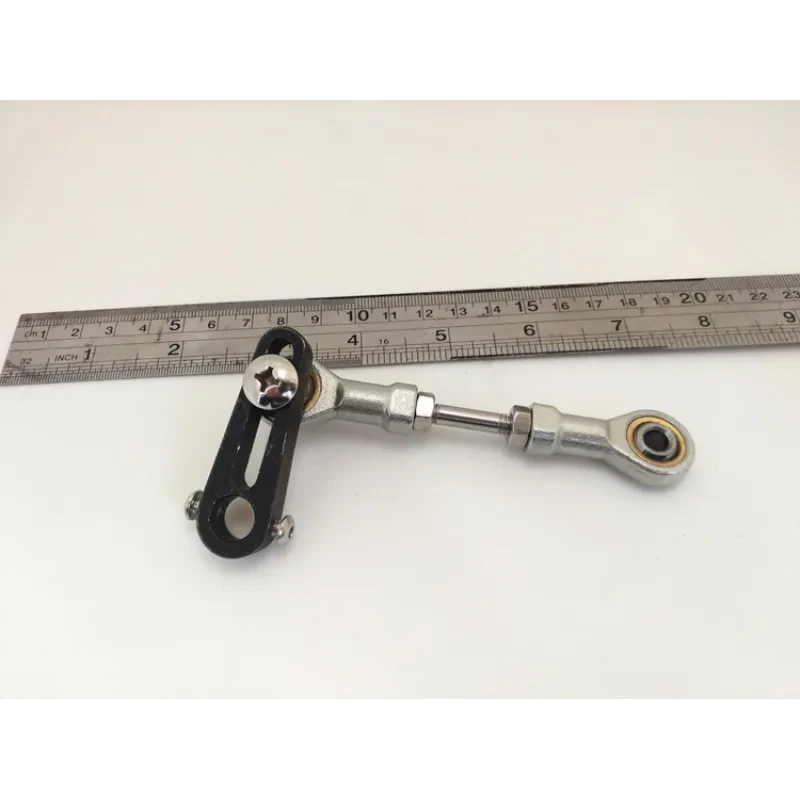
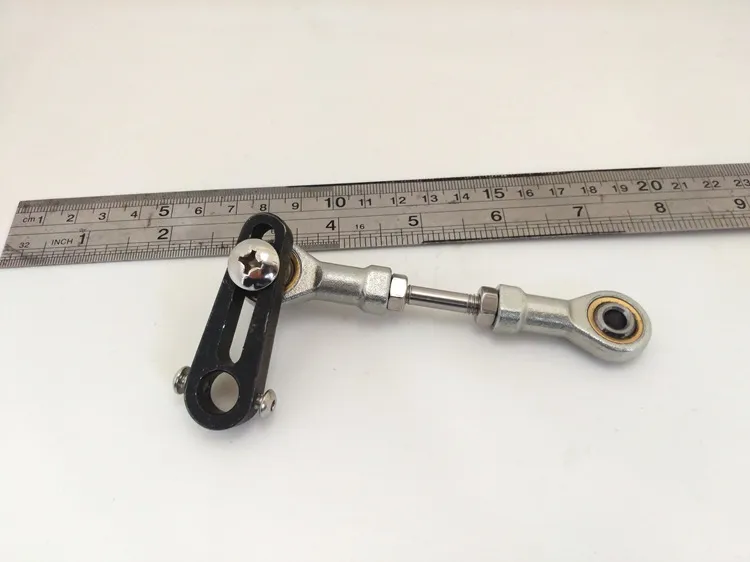
A smooth mechanical motion can transform a simple motor into something genuinely useful. That’s exactly where the Adjustable Reciprocating Motor Crankshaft Rocker Arm comes in. This compact yet sturdy mechanism converts rotary motor movement into adjustable back-and-forth motion, making it ideal for mechanical projects, DIY builds, automation experiments, and educational demonstrations. Built from tough 45 steel combined with stainless steel components, it’s strong enough for repeated motion without wearing out quickly. Even better, the adjustable stroke range from 20–80mm means you can fine-tune the movement to suit your project perfectly.
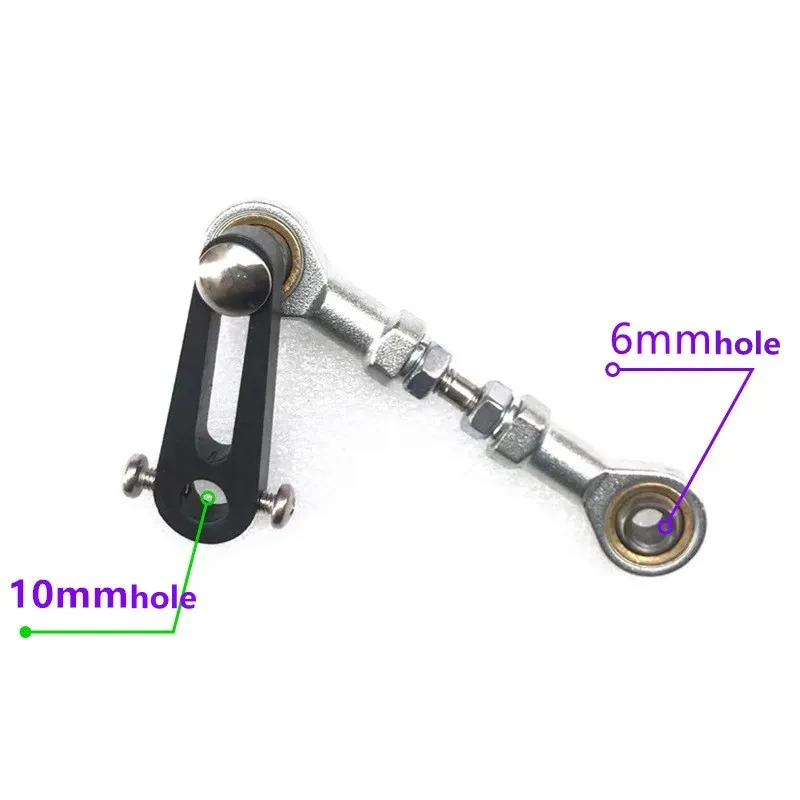
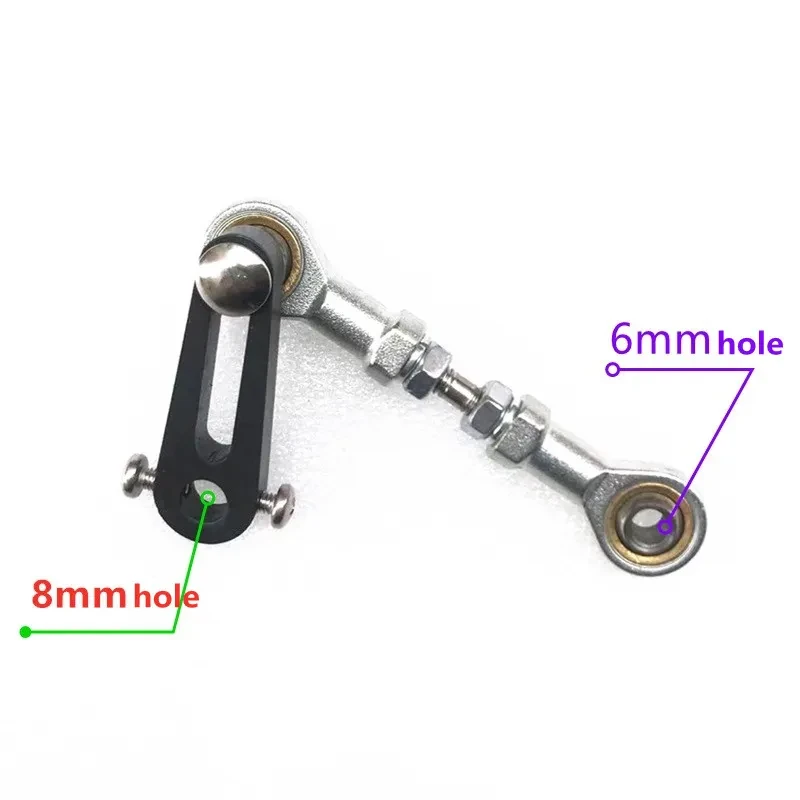
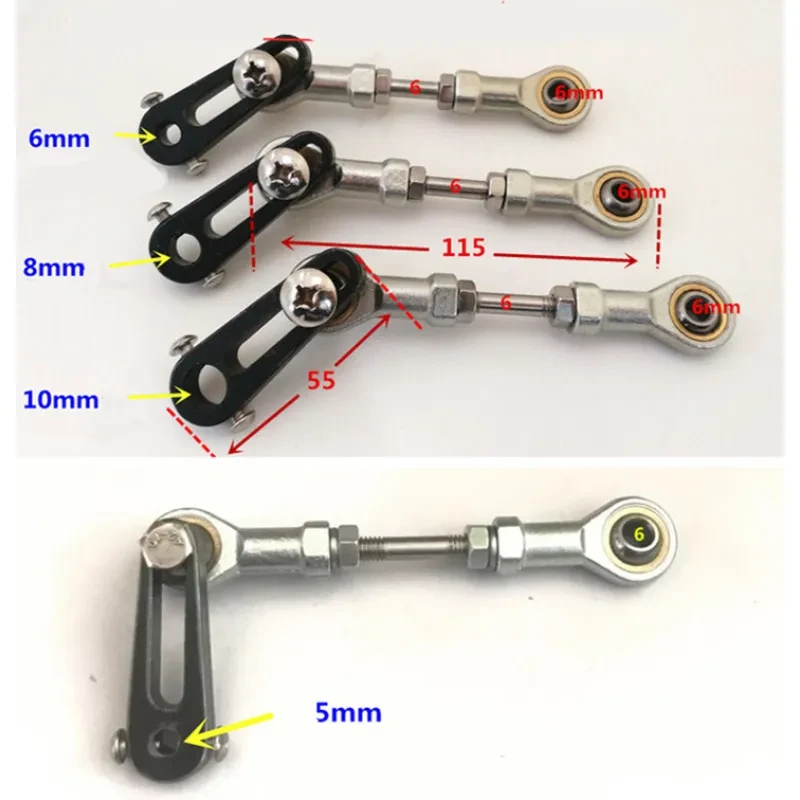
Engineers, tinkerers, and hobbyists love gear that simply works. And this crankshaft assembly delivers dependable mechanical motion while staying easy to install on compatible motors. Choose the correct shaft hole size for your motor — 8mm or 10mm — attach the connector, and you’re ready to go. It’s straightforward. It’s practical. And once installed, the motion possibilities open up fast.
Precision mechanical movement makes all the difference in projects where timing and motion matter. With an adjustable stroke between 20mm and 80mm, this rocker arm gives you the freedom to tweak the reciprocating travel exactly how you need it. A shorter stroke may suit compact mechanical models or tight automation setups. A longer stroke allows broader movement for linkages, pumps, or demonstration devices. Flexibility like that saves you from needing multiple parts for different builds.
Material choice also matters. The combination of 45 steel and stainless steel offers strength and durability without unnecessary bulk. Steel components handle repeated cycles better than many lighter alloys. That means smoother operation over time, especially in projects where the mechanism runs for long periods. From what we’ve seen, good steel hardware simply lasts longer in moving assemblies.
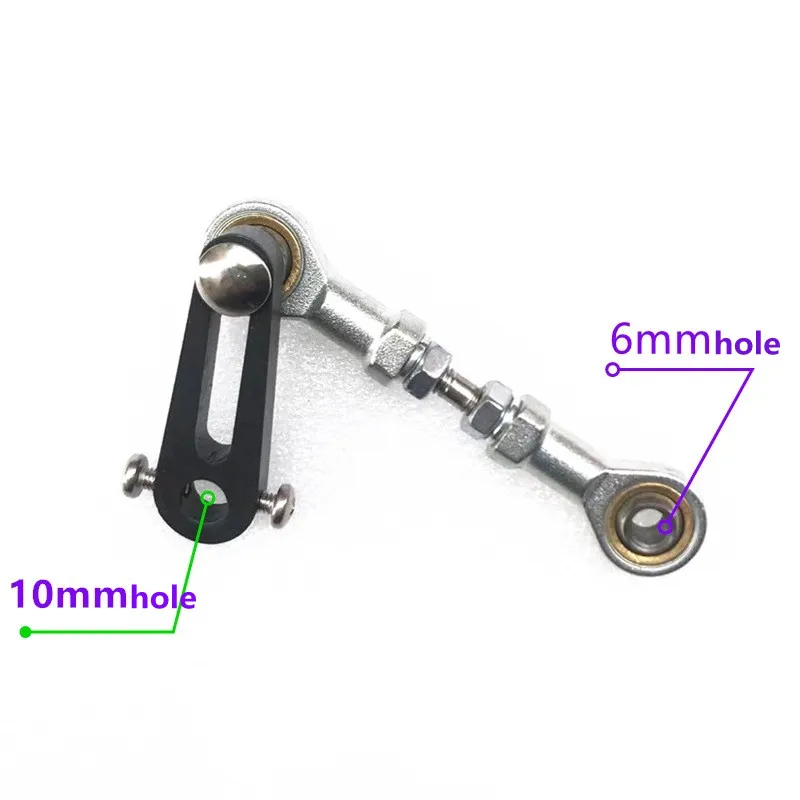
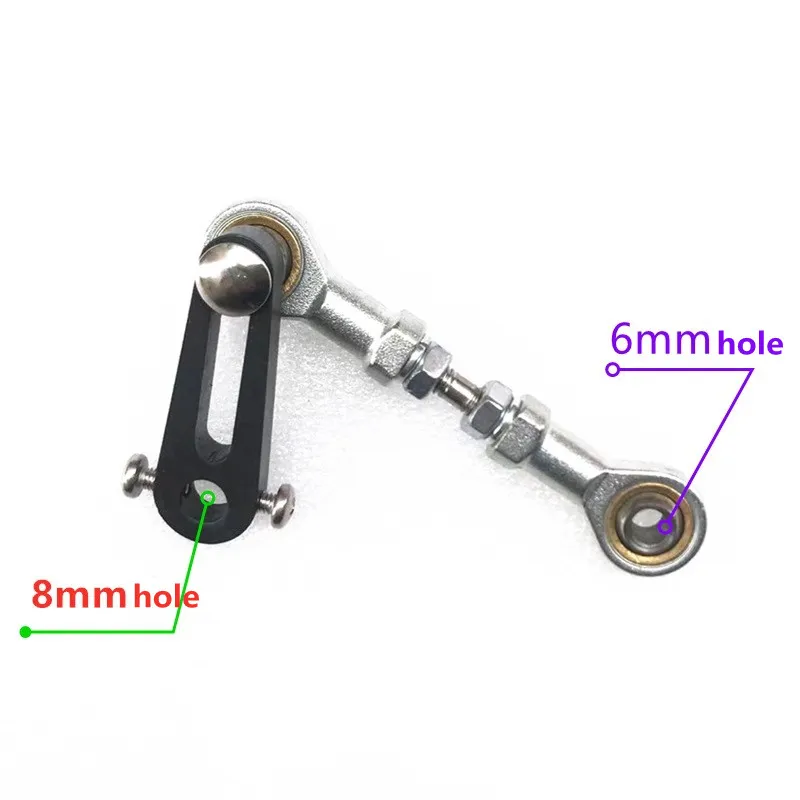
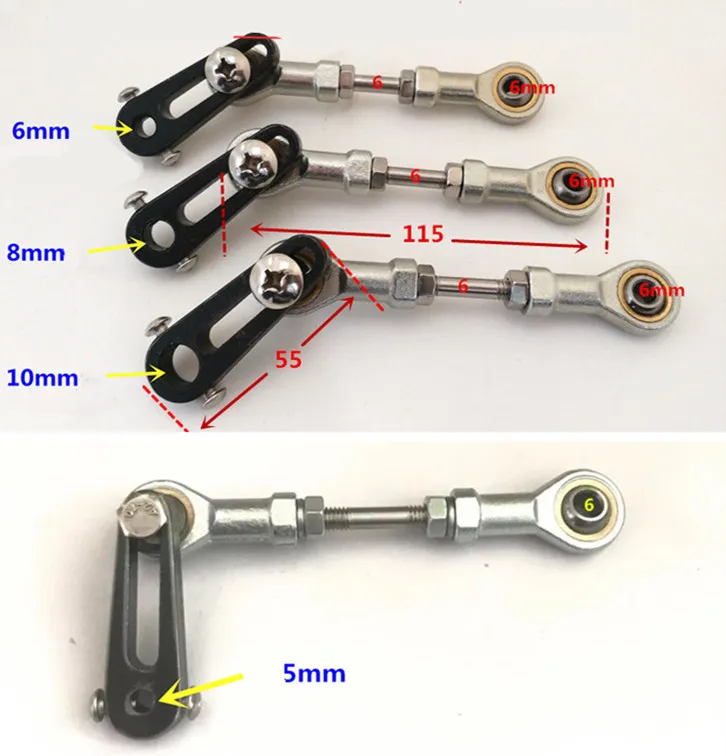
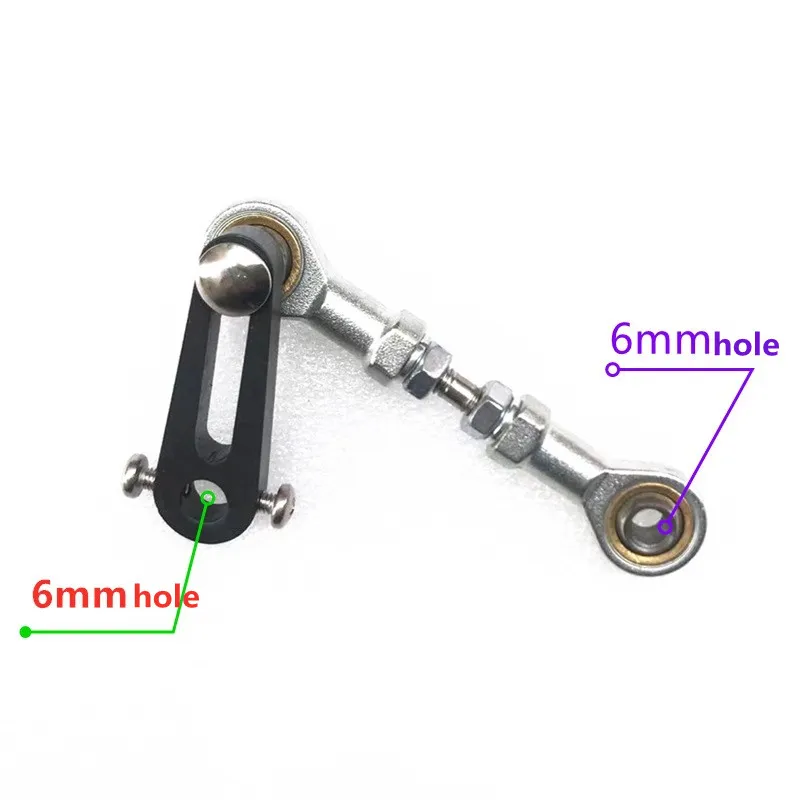
Motor compatibility keeps things simple. Two shaft hole sizes are available — 8mm and 10mm — which match many common motors used in mechanical setups, automation systems, and DIY robotics. You select the right size based on your motor output shaft, attach the crankshaft assembly, and the mechanism starts converting rotation into reciprocating motion immediately.
Then there’s the adjustable linkage system. Instead of being locked into a fixed mechanical throw, the telescopic structure allows you to change the stroke length depending on the application. That kind of adjustability can save a project when the required motion isn’t obvious until testing begins. You’ll appreciate the flexibility once you start experimenting.
Connectors matter too. By default, the unit ships with a joint connector, but alternate connector types such as Y or I connectors can be requested. That means the mechanism can adapt to different linkage systems or mechanical layouts. Builders who work on custom rigs, prototypes, or experimental devices often need exactly that kind of option.
And finally, installation stays straightforward. The crankshaft design keeps the structure compact and balanced, reducing vibration and helping the mechanism run more smoothly once attached to a motor. A simple component, sure — but a very useful one.
Mechanical hobbyists are often the first people drawn to equipment like this. If you enjoy experimenting with motorised projects, robotics prototypes, or motion demonstrations, this adjustable crankshaft mechanism makes it easier to create controlled reciprocating movement. It’s ideal for test rigs, small mechanical machines, or experimental models.
Educational workshops and engineering classrooms also benefit from components like this. Teachers explaining crankshaft motion, linkages, or reciprocating systems can show students a real working example. Watching the mechanism convert rotary motion into back-and-forth movement helps make mechanical principles far clearer than diagrams alone.
Then there are DIY builders and tinkerers who enjoy creating automated gadgets. Small lifting systems, mechanical displays, model machines, or moving art pieces often rely on simple crankshaft linkages. And that’s where this piece shines. If you ask us, anyone who enjoys building mechanical projects in the shed on a quiet weekend will appreciate how handy this little unit can be.
Inside the package you’ll find a complete crankshaft assembly ready for installation.
Package Includes
Specifications
Motor compatibility depends on the output shaft size, so selecting the correct version ensures proper installation and smooth operation.
GiftDeal has been helping Australians find practical gadgets and clever gear since 2020. Our online store focuses on products that solve real problems or add genuine usefulness to projects and everyday life. Orders ship quickly from within Australia, so you won’t be waiting weeks for international parcels to arrive.
And if something isn’t quite right, our returns process is straightforward and hassle-free. Customer support is handled by real people who understand the products we sell. Whether you’re building a mechanical project or experimenting with new ideas, we’re here to help get you sorted.
[BUYER_GUIDE]
Mechanical motion systems show up in more projects than most people expect. From small robotics builds to workshop experiments, converting rotary motor movement into reciprocating motion is a common requirement. A crankshaft mechanism makes that conversion simple. But choosing the right unit still matters.
Below you’ll find a practical guide to understanding what separates a reliable mechanism from an average one, along with tips for getting the most out of your setup.
Durability always starts with materials. A reciprocating mechanism experiences constant movement, so softer metals can wear quickly under repeated cycles. Steel components tend to last longer because they handle friction and stress better than lighter alloys. Stainless steel also adds corrosion resistance, which matters if the equipment runs in humid workshops or outdoor setups.
Machining quality plays a role as well. Smooth edges, precise joint points, and properly aligned linkage arms help keep the mechanism running smoothly. A poorly aligned crankshaft can cause vibration or uneven movement. Builders who rely on dependable motion should always check material strength and machining precision before choosing a mechanism.
Stroke length is one of the most important specifications to examine. In a reciprocating mechanism, the stroke determines how far the connected component moves during each cycle. Adjustable stroke ranges provide flexibility for different projects because you can fine-tune the motion without replacing the entire system.
Motor shaft compatibility is another key detail. Many hobby and industrial motors use 8mm or 10mm shafts, so selecting the correct hole size ensures proper installation. And then there’s linkage compatibility. Some systems require specific connector types, while others allow multiple configurations. That adaptability can make a big difference when assembling custom mechanical rigs.
Mechanical components vary widely in price, but quality often follows the material and machining involved. A cheaper mechanism might work for occasional demonstrations, though frequent operation usually demands stronger construction.
Paying slightly more for durable materials such as hardened steel often saves time and money later. And frankly, replacing worn components halfway through a project gets old pretty quickly. A well-made crankshaft mechanism tends to run smoother and last longer, which makes the investment worthwhile for regular builders.
The Adjustable Reciprocating Motor Crankshaft Rocker Arm stands out mainly because of its adjustable stroke range. With movement settings from 20mm to 80mm, it gives builders the flexibility to test different motion lengths without swapping parts. That adaptability proves useful when experimenting with mechanical linkages or building prototypes.
Strong materials make a noticeable difference too. The combination of 45 steel and stainless steel provides strength where it counts while maintaining resistance to corrosion. Mechanical systems that run frequently need components that won’t degrade after a few weeks of testing. And that’s exactly where solid metal construction shines.
Motor compatibility keeps installation straightforward. By offering both 8mm and 10mm shaft hole versions, the Adjustable Reciprocating Motor Crankshaft Rocker Arm works with many commonly available motors. Builders working on robotics, automation rigs, or moving mechanical displays can attach it quickly and start testing.
Connector options add another layer of versatility. While the default joint connector suits most setups, alternate connector types can be requested if your design requires a different linkage arrangement. That small detail often saves hours of modification work.
But perhaps the biggest advantage is simple practicality. The mechanism converts rotary motion into consistent reciprocating movement with minimal complexity. Once installed, it performs the same motion cycle repeatedly, which is exactly what many mechanical systems require.
Generic crankshaft mechanisms often come with fixed stroke lengths and limited compatibility options. That means builders sometimes end up modifying components just to achieve the movement they want.
The Adjustable Reciprocating Motor Crankshaft Rocker Arm offers a more adaptable approach. Adjustable stroke settings provide greater control over motion range, while durable steel construction improves longevity during repeated operation.
Another difference appears in installation. Many basic crank assemblies require additional brackets or modifications before they work properly. This mechanism attaches directly to compatible motor shafts, reducing setup time and letting you focus on building the rest of your project.
Installation starts by selecting the correct shaft hole size for your motor. Most users will choose either the 8mm or 10mm version depending on the output shaft of their motor. After aligning the crankshaft hole with the motor shaft, tighten the connection securely so the mechanism rotates smoothly.
Next comes stroke adjustment. The telescopic linkage allows you to modify the travel length between 20mm and 80mm. Builders often begin with a mid-range setting and adjust it during testing to find the ideal movement range. And once everything is tightened in place, the motor can run the mechanism immediately.
A small amount of lubrication on moving joints can help keep the mechanism running smoothly over long periods. This reduces friction and ensures the motion remains consistent during repeated cycles.
Keeping mounting points stable is also important. Vibrations from an unsecured base can affect motion accuracy, particularly in automation projects. Many builders install the motor and crankshaft on a solid plate or frame.
And here’s a simple tip. Test your motion range slowly before running the motor at full speed. That quick check prevents unexpected interference with surrounding components.
Mechanical hobbyists are the most obvious audience for this type of equipment. If you spend weekends experimenting with motors, robotics builds, or mechanical models, the Adjustable Reciprocating Motor Crankshaft Rocker Arm opens up plenty of possibilities.
Engineering students often use crankshaft mechanisms while learning about motion systems. Watching a rotating shaft convert into reciprocating movement provides a clear demonstration of mechanical principles that textbooks alone struggle to show.
Workshop builders also find these mechanisms useful in automation experiments. Small pumps, lifting arms, moving sculptures, or demonstration rigs all rely on consistent motion control.
And Australians who enjoy DIY projects in the shed during cooler winter evenings might find this component surprisingly handy. Ever tried turning a basic motor into a working mechanical linkage? Honestly, it’s pretty satisfying once everything starts moving the way you planned.
GiftDeal has been operating as an Australian online store since 2020, focusing on practical tools, gadgets, and clever equipment for builders and everyday users. Our catalogue keeps expanding, and we’re always adding useful gear that customers genuinely enjoy using.
Orders ship quickly within Australia, which means you won’t be stuck waiting weeks for parts to arrive from overseas suppliers. Returns are straightforward if something doesn’t suit your project, and our support team is ready to help with product questions.
From what we’ve seen, customers appreciate buying from a store that actually responds when they reach out. And that makes a difference.
[FAQS]
Q: What does an Adjustable Reciprocating Motor Crankshaft Rocker Arm actually do?
A: This mechanism converts rotary motor motion into a reciprocating back-and-forth movement. It’s commonly used in mechanical experiments,
DIY automation projects, and educational demonstrations. By adjusting the stroke length, you can control how far the connected component
moves during each cycle. That flexibility makes it useful for a wide range of mechanical builds.
Q: What motors are compatible with this crankshaft mechanism?
A: Compatibility depends on the motor’s output shaft size. This unit is available with either an 8mm or 10mm shaft hole, which suits many
commonly used motors in hobby and workshop setups. Selecting the correct hole size ensures a secure fit and smooth operation. Always check
your motor shaft diameter before ordering.
Q: How adjustable is the stroke length?
A: The mechanism offers an adjustable stroke range between 20mm and 80mm. This allows you to customise the travel distance depending on your
project’s motion requirements. Builders often start with a mid-range setting and adjust it during testing. That flexibility is particularly
helpful when experimenting with new mechanical designs.
Q: Is the crankshaft mechanism durable for repeated use?
A: Yes, the assembly uses 45 steel and stainless steel components. These materials are well suited for mechanical systems that operate
repeatedly over long periods. Strong metal construction helps reduce wear on moving parts. With proper installation and occasional
lubrication, it can handle frequent motion cycles reliably.
Q: Does the package include everything needed to start using it?
A: The package includes one crankshaft assembly ready for installation. You will still need a compatible motor and mounting setup to run the
mechanism. Many builders integrate it into a custom frame or experimental rig. Once connected to a motor shaft, the system can begin
producing reciprocating motion immediately.
Q: Can the connector type be changed for different projects?
A: Yes. The default configuration includes a joint connector, which works for many setups. However, alternate connector types such as Y or I
connectors can be requested depending on your mechanical design. This gives builders more flexibility when connecting the crankshaft to
different linkages.
Q: Is this suitable for educational demonstrations or engineering learning?
A: Absolutely. Teachers and engineering instructors often use crankshaft systems to demonstrate how rotary motion converts into
reciprocating movement. Watching the mechanism operate makes mechanical principles easier to understand. Students can observe the movement
directly rather than relying only on diagrams.
Q: Does the Adjustable Reciprocating Motor Crankshaft Rocker Arm require maintenance?
A: Maintenance is fairly simple. Applying light lubrication to the joints occasionally helps keep the movement smooth and reduces friction
over time. Regularly checking mounting bolts and connectors is also recommended if the mechanism runs frequently. With basic care, the
system should continue operating reliably for many cycles.
We deliver your orders quickly, safely, and securely. Most orders arrive within 7–21 working days. Local deliveries may arrive sooner.
Delivery times may vary based on location, order volume, and courier schedules. Some rural areas may take longer.
If your order hasn't arrived within the estimated timeframe, please contact us: contact@giftdeal.com.au
No FAQs available for this product yet.
Buyer guide not available for this product.