Computer & Office
Upgrade Your Workspace
Discover premium computer essentials and office supplies designed to boost your productivity and style.
Explore Gear
.webp)
Discover premium computer essentials and office supplies designed to boost your productivity and style.
Explore Gear
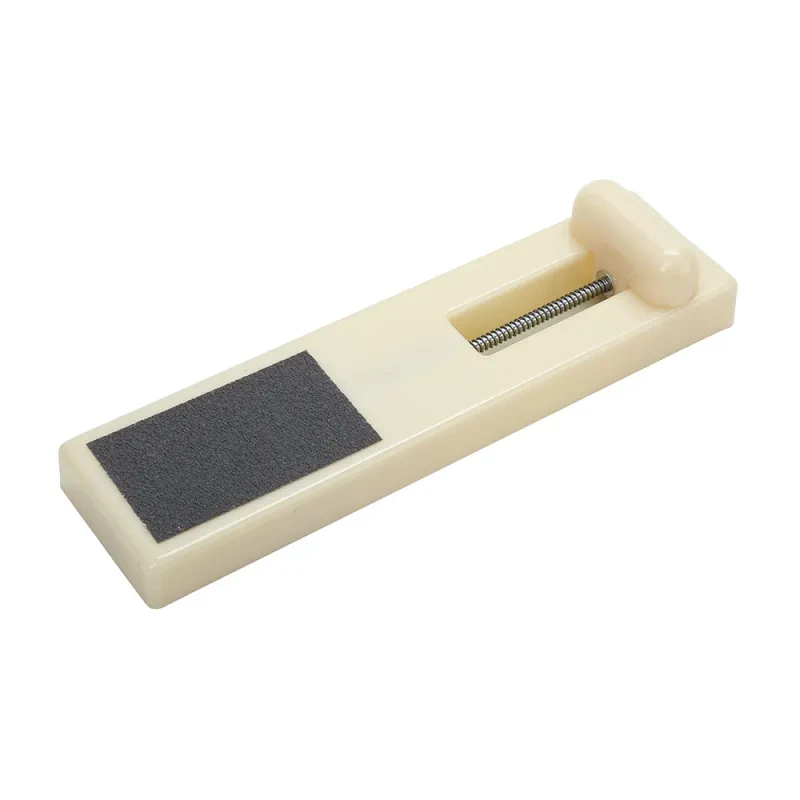
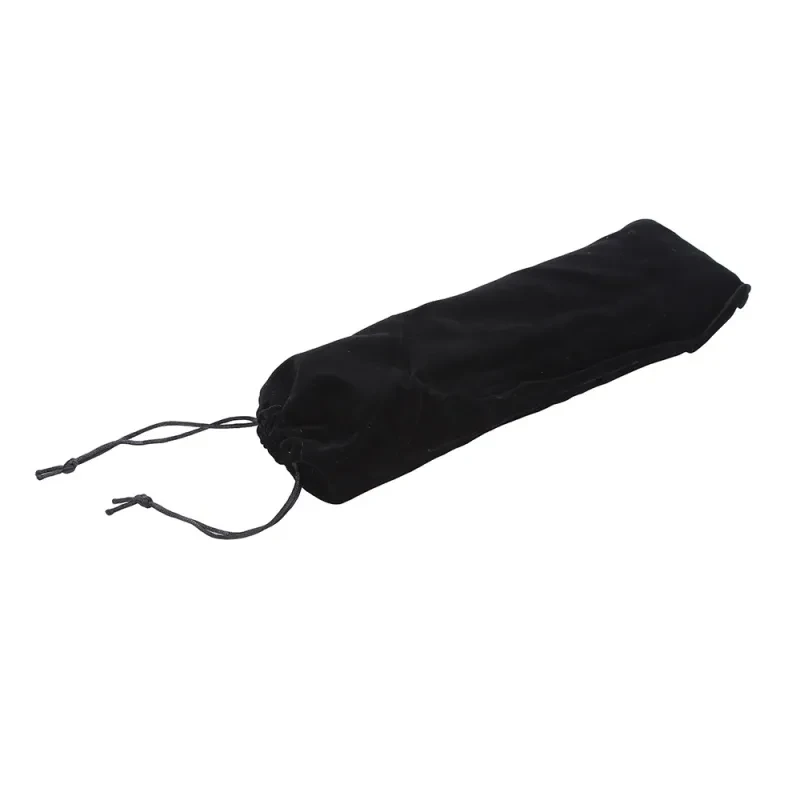
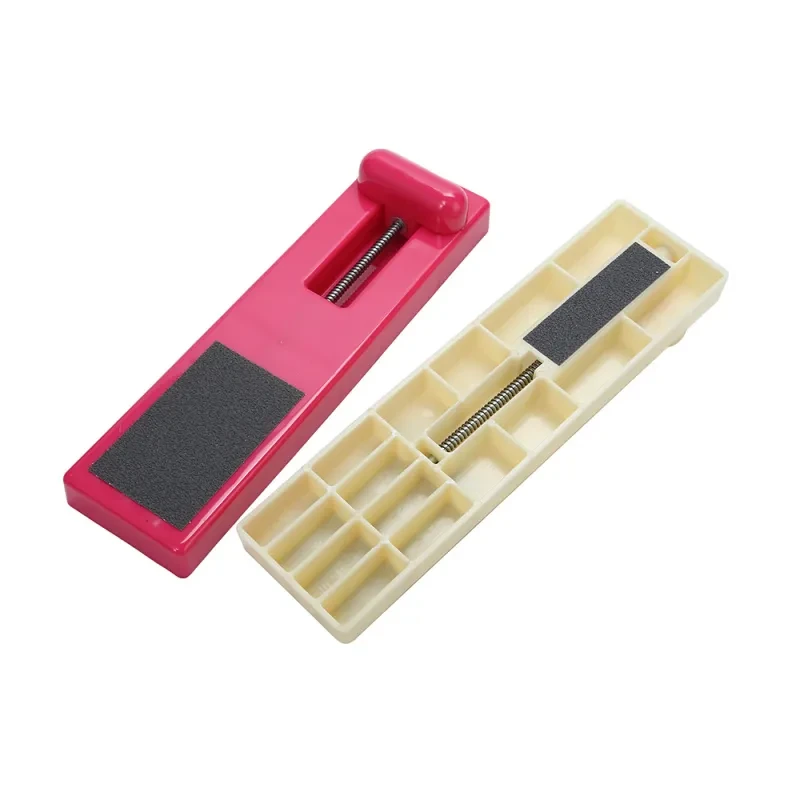
Standard delivery charges apply.
Secure handling guaranteed.
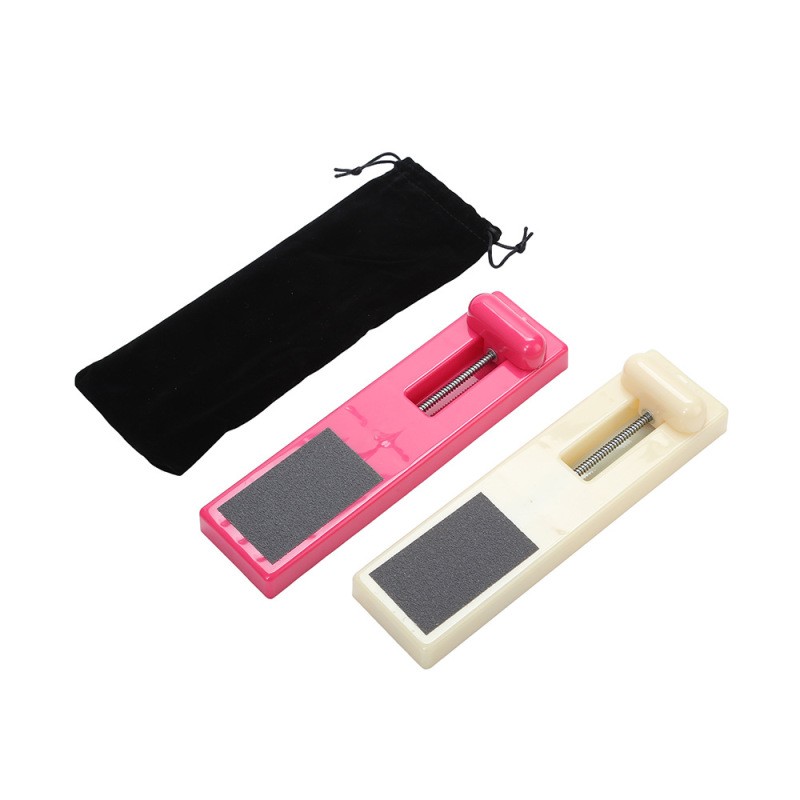
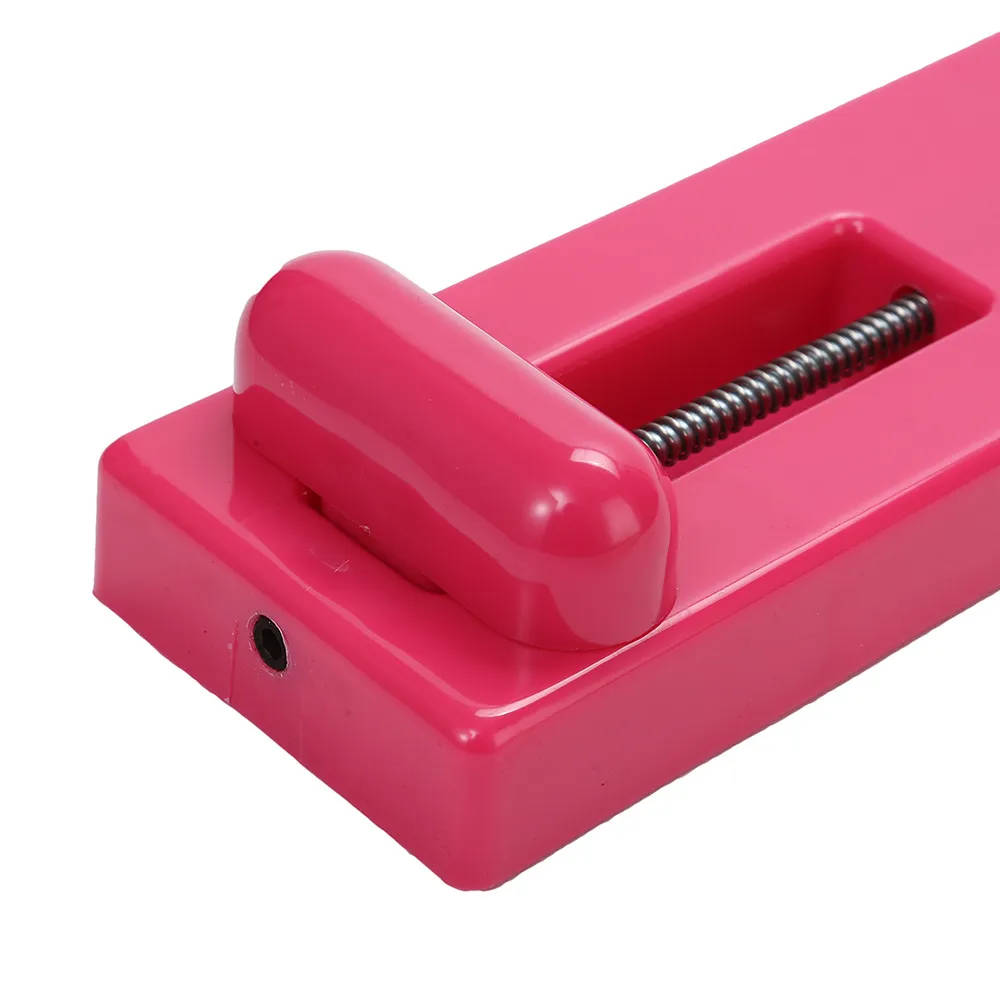
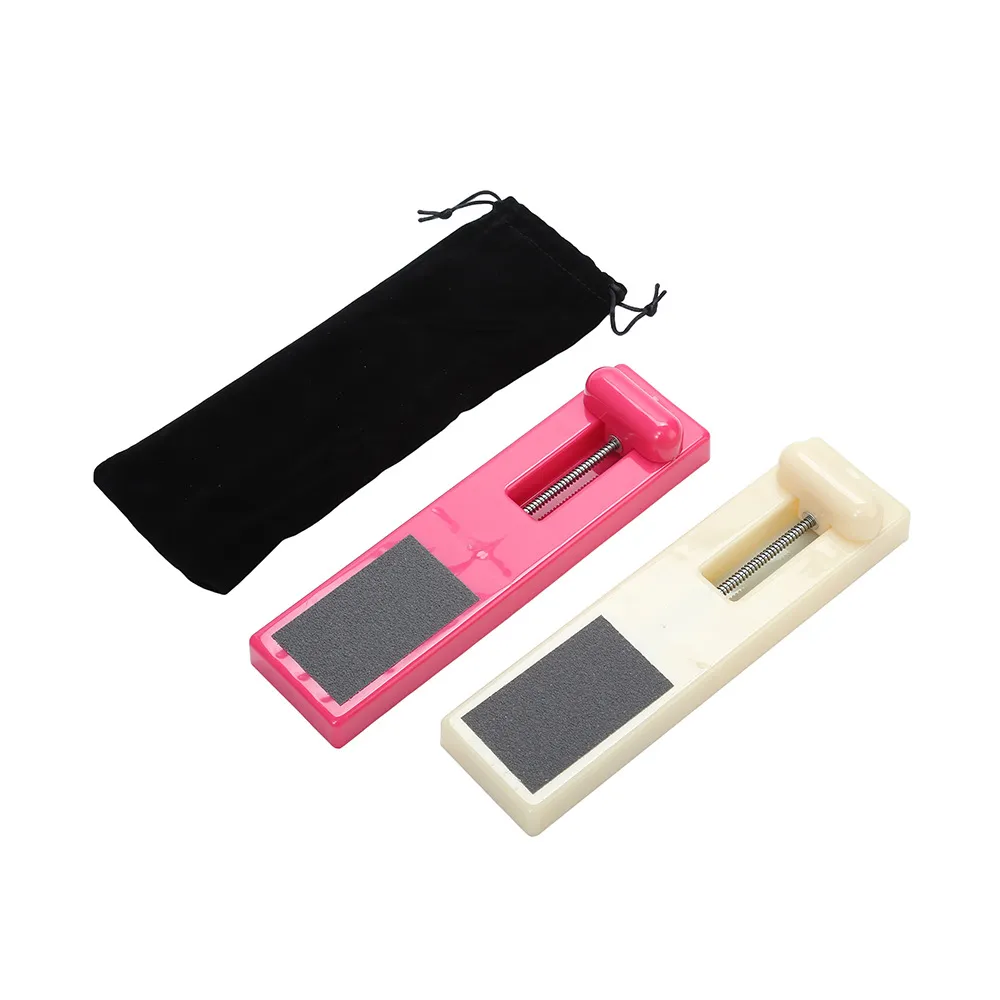
Graceful foot lines don’t appear by accident. They’re built through patient training, small muscle engagement, and the right support tools along the way. That’s where the Ballet Foot Trainer quietly earns its place in a dancer’s routine. Compact yet surprisingly effective, this simple device helps strengthen the muscles that shape the instep, encourage better arch definition, and improve toe flexibility. Slip it into a training session at home or use it before class as part of your warm-up. The structure guides the foot through controlled resistance while keeping movement comfortable and focused. Pink or classic white — both options look elegant sitting beside your dance gear. And once you start using it regularly, you’ll notice your feet working in ways they never quite did before.
Foot strength rarely gets the spotlight it deserves, yet dancers know how much control starts from the ground up. Using a dedicated trainer encourages targeted muscle engagement that’s difficult to achieve with stretching alone. With consistent practice, the arch muscles gradually build strength, which helps support smoother pointe transitions and cleaner lines through the ankle and toes.
Another helpful detail is how the trainer encourages controlled stretching. Rather than forcing the foot into extreme positions, it guides movement gradually. That means you’re strengthening while increasing flexibility, not simply pushing for range. For dancers who train several times a week, this balance can make practice sessions feel more productive and less stressful on the joints.
The size also matters more than people expect. Small enough to slip into a dance bag, it can travel from studio to home practice without fuss. You might use it for ten minutes before a rehearsal, or while stretching during a quiet evening at home. Consistency is easier when the equipment doesn’t take up half the room.
And then there’s the aesthetic side. Ballet gear often blends functionality with a certain elegance, and this trainer fits right in. The soft pink option complements traditional ballet accessories, while the white version keeps things clean and minimal. Not a huge deal perhaps, but dancers appreciate tools that don’t feel clinical.
Durability also plays a role. Regular foot exercises involve pressure and repetition, so the structure holds its shape through ongoing use. From what we’ve seen, many dancers keep the same trainer in their kit for months of regular practice without noticing wear.
But perhaps the biggest benefit is awareness. Using a shaping trainer makes you far more conscious of the small stabilising muscles in your feet. Those tiny adjustments build control over time. And that control often shows up in better balance, smoother relevés, and more confident movement across the floor.
Serious ballet students will likely recognise the value straight away. Teen dancers preparing for exams or performances often spend extra time strengthening their feet, especially when they’re working toward pointe work. Adding a dedicated trainer into daily practice can help them build the control teachers are always encouraging.
Adult dancers also get plenty out of it. Plenty of people in Australia return to ballet later in life as a creative outlet or fitness routine. Those sessions are incredibly rewarding, but feet sometimes need extra support to keep up with the workload. A small training tool like this helps keep muscles active without adding pressure to the schedule.
Gymnasts and flexibility enthusiasts are another group who find it useful. Anyone working on pointed toes, extended lines, or controlled foot articulation will appreciate what it brings to training. Pilates fans sometimes give it a go too, especially when they’re focusing on ankle strength.
And of course, there are the dedicated home trainers. Maybe you practise in the lounge room between uni classes or after work. Maybe you stretch while watching telly. Honestly, the Ballet Foot Trainer fits perfectly into those moments where ten minutes of focused movement can make a difference.
Inside the package you’ll find everything needed to begin foot training right away.
Packing List
Product Specifications
Its compact build means you won’t need a dedicated storage space. Just slip it beside your dance shoes and you’re sorted for the next training session.
GiftDeal has been serving Australian shoppers online since 2020, bringing together practical gadgets, lifestyle tools, and clever training products like this one. Orders are dispatched quickly from within Australia, which means your gear arrives without long international waits.
Our team focuses on reliable service and straightforward shopping. If something isn’t right, returns are simple and support is always available. And yes, we use the phrase once here — the process is genuinely hassle-free.
From dance accessories to home essentials, the catalogue keeps growing. But small, effective tools like this are often the quiet favourites among customers who train regularly.
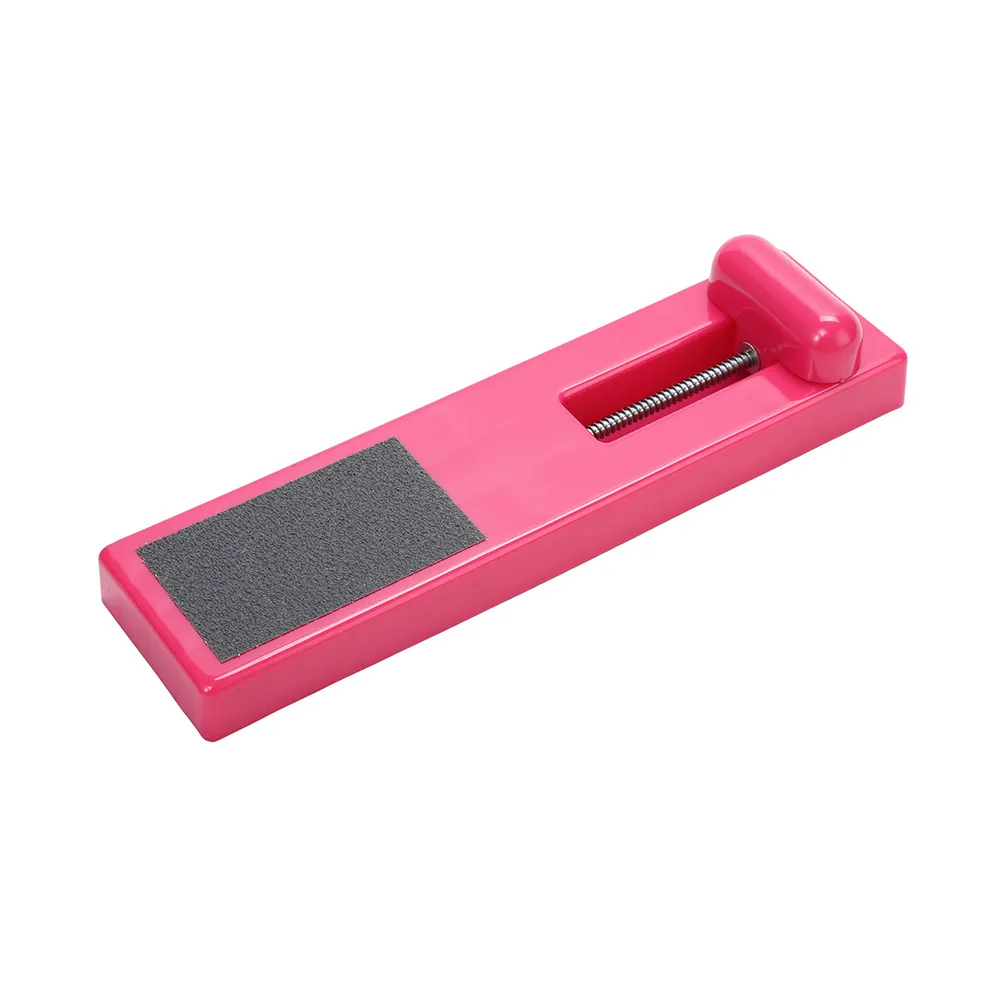
[BUYER_GUIDE]
Foot training tools experience more pressure than most people expect. Every time you point or flex, the structure absorbs force from the arch, toes, and ankle. That means durability matters from the very beginning. A well-built trainer maintains its shape under repeated use and supports controlled stretching without bending or shifting unexpectedly.
Quality materials also influence comfort. A device that feels stable against the foot encourages longer, more focused training sessions. Dancers often use these tools several times a week, so even small design details make a difference. Smooth surfaces, balanced resistance, and a sturdy frame all contribute to a more reliable experience.
Climate can play a role too. Australian summers get warm, especially in studios without full air conditioning. Equipment that keeps its form in warmer temperatures will hold up far better over time. If you ask us, reliability is what separates a serious training tool from something that ends up forgotten in the cupboard.
Several specifications influence how effective a trainer will be. First up is the resistance structure. A good foot trainer encourages gradual strengthening rather than forcing extreme stretches. That steady progression helps protect the ankle and toe joints while still building flexibility.
Size and portability also matter more than you might think. Many dancers train both at home and in the studio, which means equipment often travels in a dance bag alongside shoes, water bottles, and warm-up layers. A compact design keeps everything manageable.
Colour choices might seem cosmetic, yet dancers often appreciate gear that blends naturally with their existing accessories. Pink and white options remain popular in ballet environments. Beyond appearance, the most important factor is consistent support across repeated movements.
But here’s a simple question worth asking yourself. Do you want a trainer that merely stretches the foot, or one that encourages active muscle engagement? The difference changes how much benefit you’ll gain over months of practice.
Foot training equipment sits in a fairly broad price range. Budget models exist, but the cheapest options often sacrifice durability or stability. A slightly higher investment generally means better materials and longer life.
Value really shows itself through consistency. If a trainer stays comfortable and reliable through regular practice sessions, you’ll keep using it. And regular use is what actually improves foot strength. Spending a little more on a dependable tool often works out better in the long run.
The Ballet Foot Trainer – Instep Shaping & Toe Strength Device focuses on targeted muscle development in the arch and toes. Instead of forcing a dramatic stretch, it encourages controlled movement through the full pointing motion. That approach helps dancers activate smaller stabilising muscles that are easy to overlook during normal classes.
Another standout detail is the compact build. Studio life can be busy. One evening you’re rushing from work to rehearsal, the next day you’re squeezing in a quick stretch session at home before dinner. A portable trainer makes those short practice moments far easier to maintain.
Consistency plays a big role in progress. Even ten minutes of focused arch work several times a week can improve flexibility and control over time. The Ballet Foot Trainer supports that habit because it’s simple to grab and start using without a complicated setup.
And then there’s the visual appeal. Ballet culture has always valued elegance, even in training tools. The soft pink version blends beautifully with traditional ballet gear, while the white option offers a clean, minimal style. Small detail perhaps, yet it feels right sitting beside your pointe shoes.
Honestly, the size is just right — not too big, not too small, just proper.
Many generic foot stretchers concentrate solely on flexibility. They push the foot into a pointed shape but offer little support for strengthening the surrounding muscles. Over time that approach can limit control.
The Ballet Foot Trainer – Instep Shaping & Toe Strength Device takes a more balanced approach by encouraging active resistance through the arch. That means you’re building strength while improving range of motion.
And that balance is where it stands apart. Instead of acting like a simple stretching block, the device becomes part of a strengthening routine dancers can repeat regularly.
Getting started is straightforward. Place the trainer on a stable surface where you can sit comfortably with one leg extended. Slide your foot into position so the arch rests naturally along the trainer’s curve. From there, slowly point and flex your foot through controlled movements.
Early sessions should remain gentle. Muscles in the foot are small and can fatigue quickly if pushed too hard. Begin with short sets of repetitions, allowing your arch to adjust to the resistance. Within a week or two, you’ll likely feel those muscles engaging more confidently.
And remember to keep movements slow. Controlled motion helps the foot strengthen rather than simply stretching beyond its natural range.
Regular use tends to bring the best results. Many dancers add five to ten minutes of foot training at the start or end of their warm-up routine. A few sessions during the week can make a noticeable difference in arch strength.
Pairing the trainer with ankle mobility exercises also helps. Stretching the calves and Achilles tendon beforehand allows the foot to move more freely during training. Over time you’ll feel greater control when pointing through the toes.
But don’t rush it. Slow progress often produces stronger results in the long run. And during cooler months, warming your feet first prevents stiffness that can interfere with the exercise.
Serious ballet students across Australia often include extra foot conditioning alongside their regular classes. Exam preparation, auditions, and performance seasons all demand stronger arches and reliable balance. A dedicated trainer helps reinforce those muscles between lessons.
Adult dancers returning to ballet after years away also benefit from gentle strengthening tools. Evening classes after a long workday are common, especially in cities like Sydney or Melbourne. Adding short foot training sessions at home keeps progress moving even during busy weeks.
Gymnasts and flexibility enthusiasts can also gain value here. Training pointed toes for routines or photoshoots requires consistent muscle control. The Ballet Foot Trainer – Instep Shaping & Toe Strength Device provides a simple way to build that control gradually.
And then there are the home trainers. Maybe you practise in the living room while a summer storm rolls in outside, or stretch quietly during a relaxed Sunday afternoon. But wherever you train, strong feet make every movement more confident.
GiftDeal has been supplying practical lifestyle products to Australian customers since 2020. The store operates online with a growing catalogue that includes fitness tools, home gadgets, and unique training accessories.
Orders are processed locally, which means faster domestic shipping across Australia. That makes a real difference when you’re keen to start training straight away. Returns are straightforward and support comes from a real team rather than an automated system.
But what customers appreciate most is reliability. When you order from GiftDeal, you know the product arriving at your door has been carefully selected for everyday use. And that simple confidence goes a long way.
[FAQS]
Q: What does the Ballet Foot Trainer actually help improve?
A: The trainer focuses on strengthening the small muscles in the arch, toes, and ankle. Regular use encourages better control when pointing
the foot and helps improve flexibility through the instep. Many dancers notice stronger arch engagement over time. It’s particularly useful
for ballet, gymnastics, and flexibility routines.
Q: Is the Ballet Foot Trainer suitable for beginners?
A: Yes, beginners can use it comfortably as long as they start slowly. Early sessions should involve gentle pointing and flexing to allow
the muscles to adapt. Short practice sets work well during the first few weeks. Gradually increasing repetitions helps build strength
safely.
Q: How often should I use the trainer for best results?
A: Most dancers aim for three to five short sessions per week. Even ten minutes at a time can strengthen the foot muscles if used
consistently. Many people add it to their warm-up or cool-down routine. Regular practice tends to produce the most noticeable improvement.
Q: What colours are available?
A: The trainer comes in two simple colour options: soft pink and classic white. Both match well with traditional ballet accessories. Some
dancers prefer pink because it blends with their gear, while others like the clean look of white. Performance remains exactly the same
either way.
Q: Can gymnasts or Pilates enthusiasts use this device?
A: Absolutely. While it’s popular among ballet dancers, anyone working on pointed toes and foot control can benefit. Gymnasts, Pilates
practitioners, and flexibility trainers often use similar tools. The movements help strengthen the arch and improve toe articulation.
Q: Is the trainer portable enough to carry to the studio?
A: Yes, the compact design fits easily into most dance bags. It doesn’t take up much space alongside shoes, warm-ups, or water bottles. That
makes it easy to bring along for pre-class stretching or quick practice sessions. Many dancers keep it in their bag permanently.
Q: Does it require assembly before first use?
A: No assembly is needed. The trainer arrives ready to use straight out of the package. Simply place it on a stable surface and begin your
foot exercises. Setup takes only a few seconds.
Q: How do I clean and maintain the trainer?
A: Maintenance is simple. Wiping the surface with a soft cloth keeps it clean after training sessions. If needed, a mild cleaning solution
can be used to remove dust or sweat. Store it in a dry place and it should remain in excellent condition for regular practice.
We deliver your orders quickly, safely, and securely. Most orders arrive within 7–21 working days. Local deliveries may arrive sooner.
Delivery times may vary based on location, order volume, and courier schedules. Some rural areas may take longer.
If your order hasn't arrived within the estimated timeframe, please contact us: contact@giftdeal.com.au
No FAQs available for this product yet.
Buyer guide not available for this product.