

Computer & Office
Upgrade Your Workspace
Discover premium computer essentials and office supplies designed to boost your productivity and style.
Explore Gear
.webp)
Discover premium computer essentials and office supplies designed to boost your productivity and style.
Explore Gear
Standard delivery charges apply.
Secure handling guaranteed.
Modern vehicles rely on small electronics that quietly do important work. Dash cameras record road events, parking incidents, and daily commutes without drivers needing to think about them. But those cameras need steady voltage to operate correctly. A Power Line Step Down Cable handles that task by converting the vehicle twelve volt electrical system into a stable five volt supply suitable for dash recorders and car DVR devices.
Inside most vehicles the battery delivers higher voltage through the fuse box and ACC ignition circuit. Cameras and compact electronics however operate safely on lower voltage. That difference is exactly why step down wiring exists. By regulating voltage between the car battery and your driving recorder, this cable ensures the camera runs smoothly while protecting internal electronics from power fluctuations. Reliable voltage conversion means your dash camera continues recording important footage during school runs, work commutes, and weekend drives across Australia.
Stable power conversion stands as the primary purpose of this cable. Vehicles operate with a twelve volt electrical system supplied through the battery and alternator. Dash cameras usually require five volts delivered through USB or dedicated input ports. The step down circuit inside this cable converts voltage safely so connected devices receive appropriate power levels. That simple adjustment prevents overheating and electrical stress inside sensitive recording electronics.
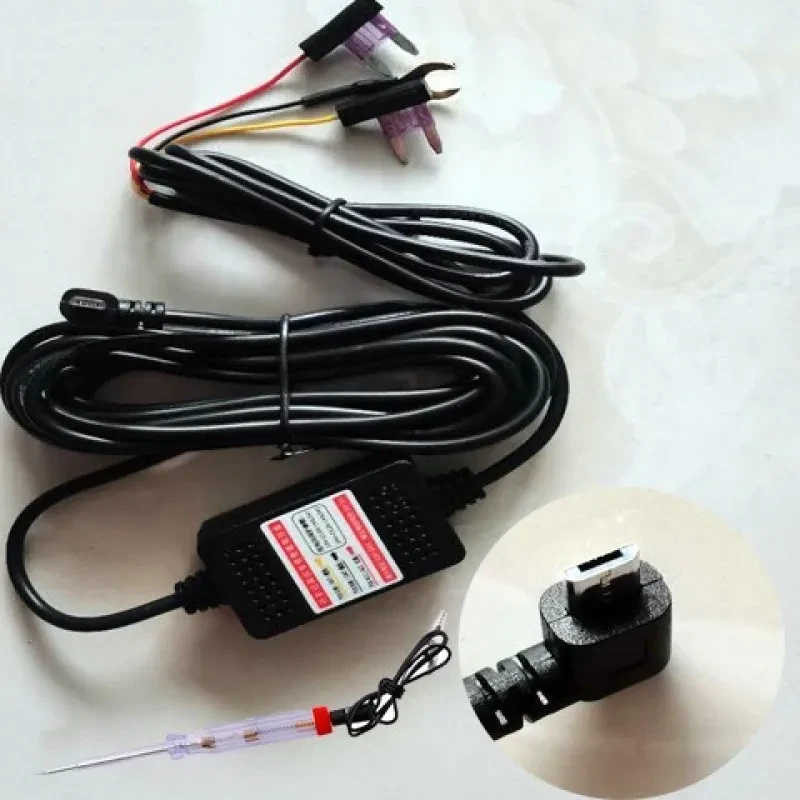
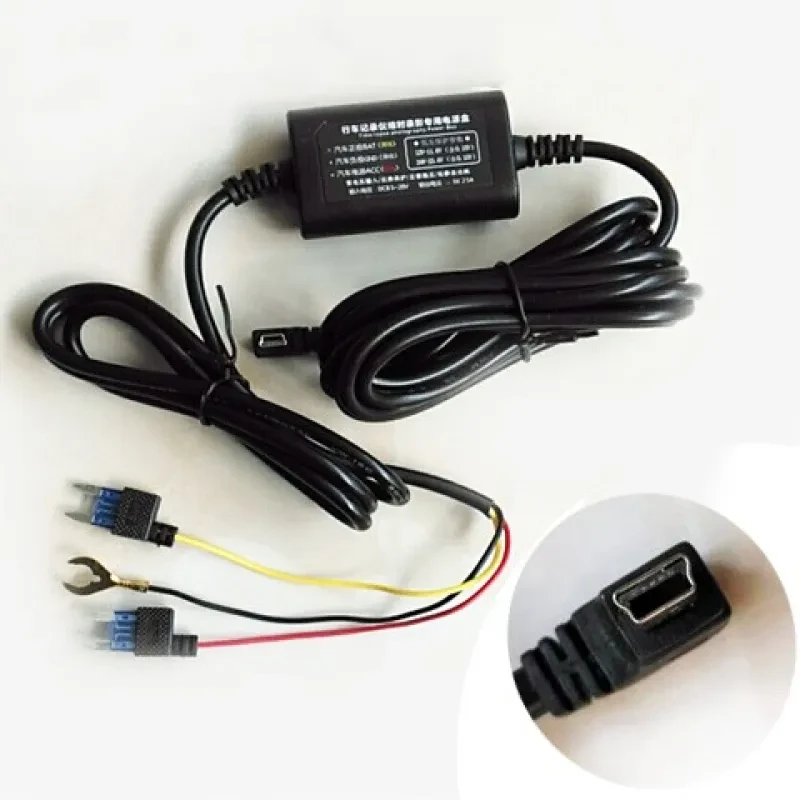
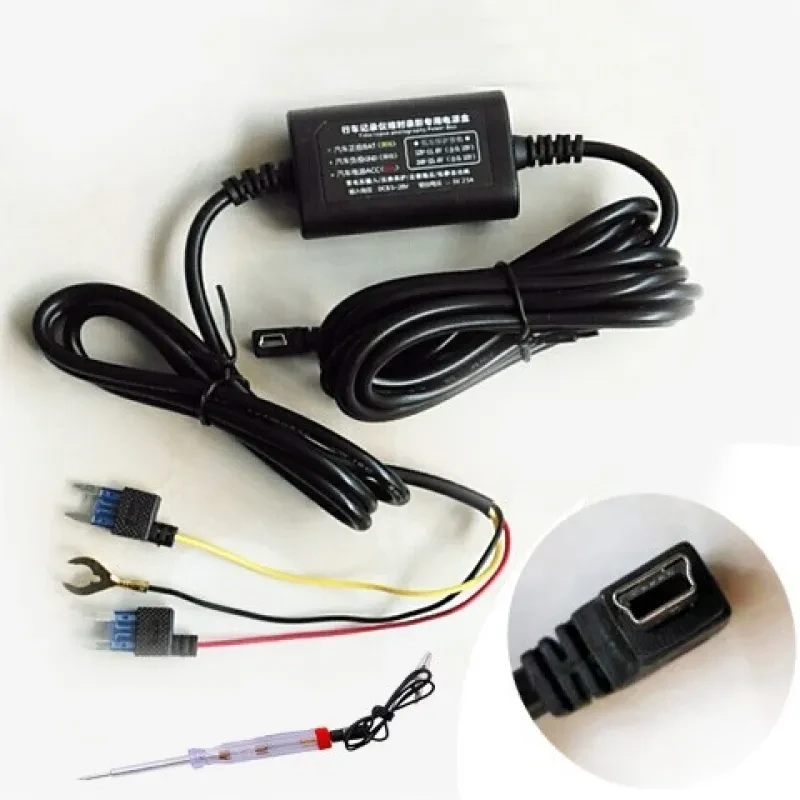
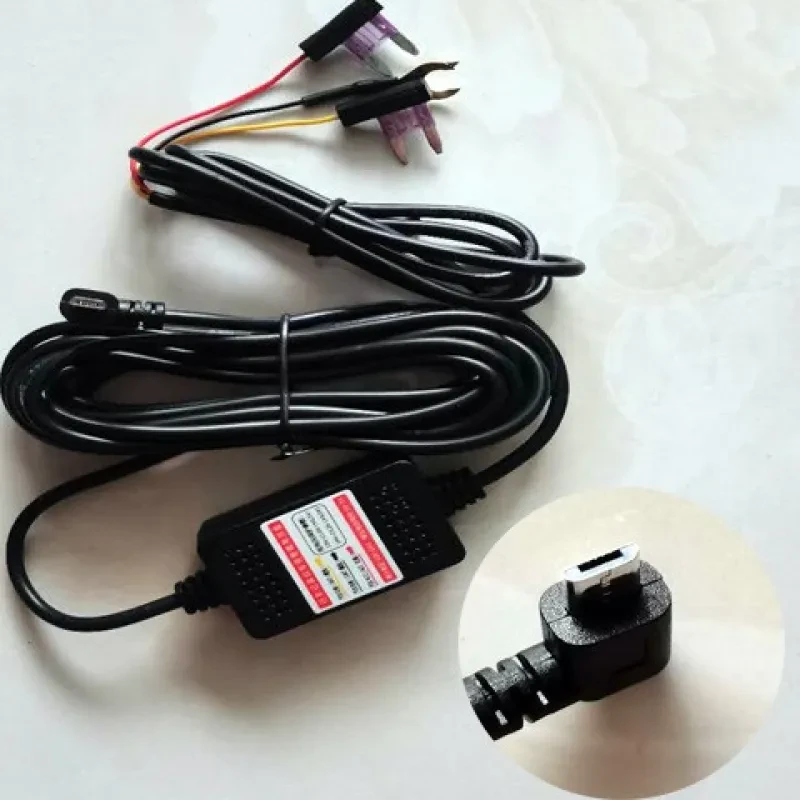
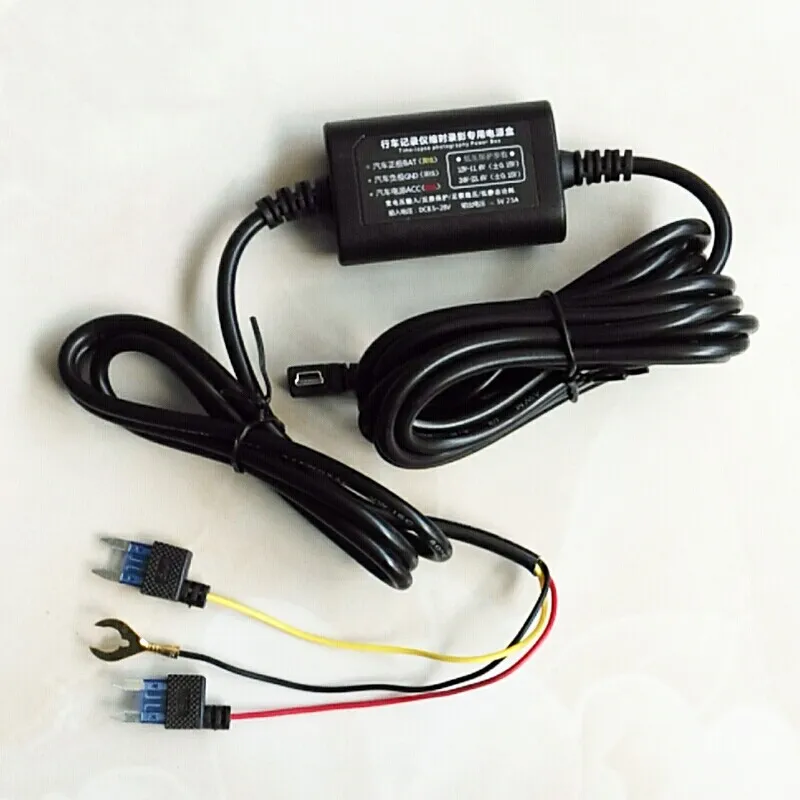
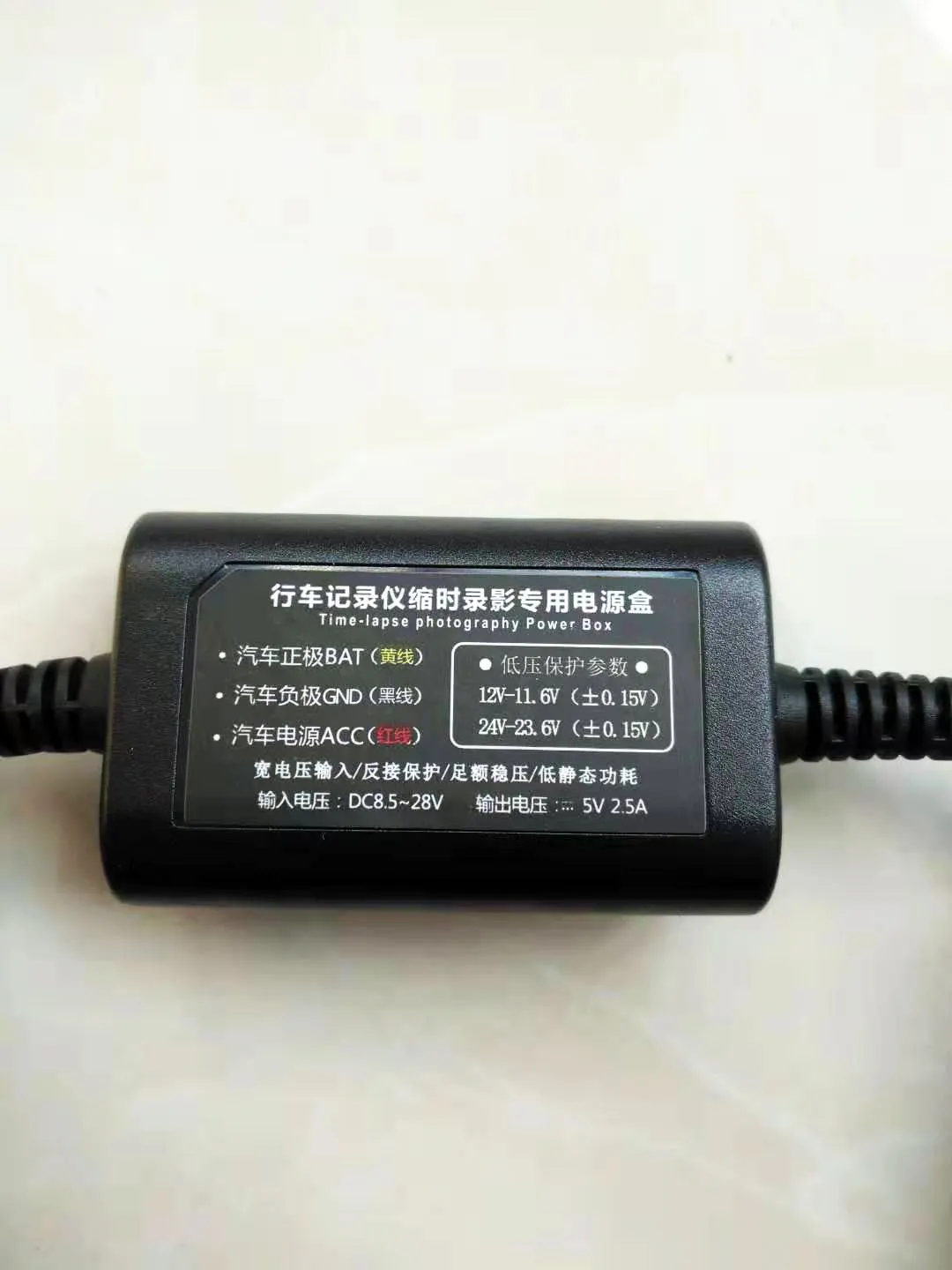
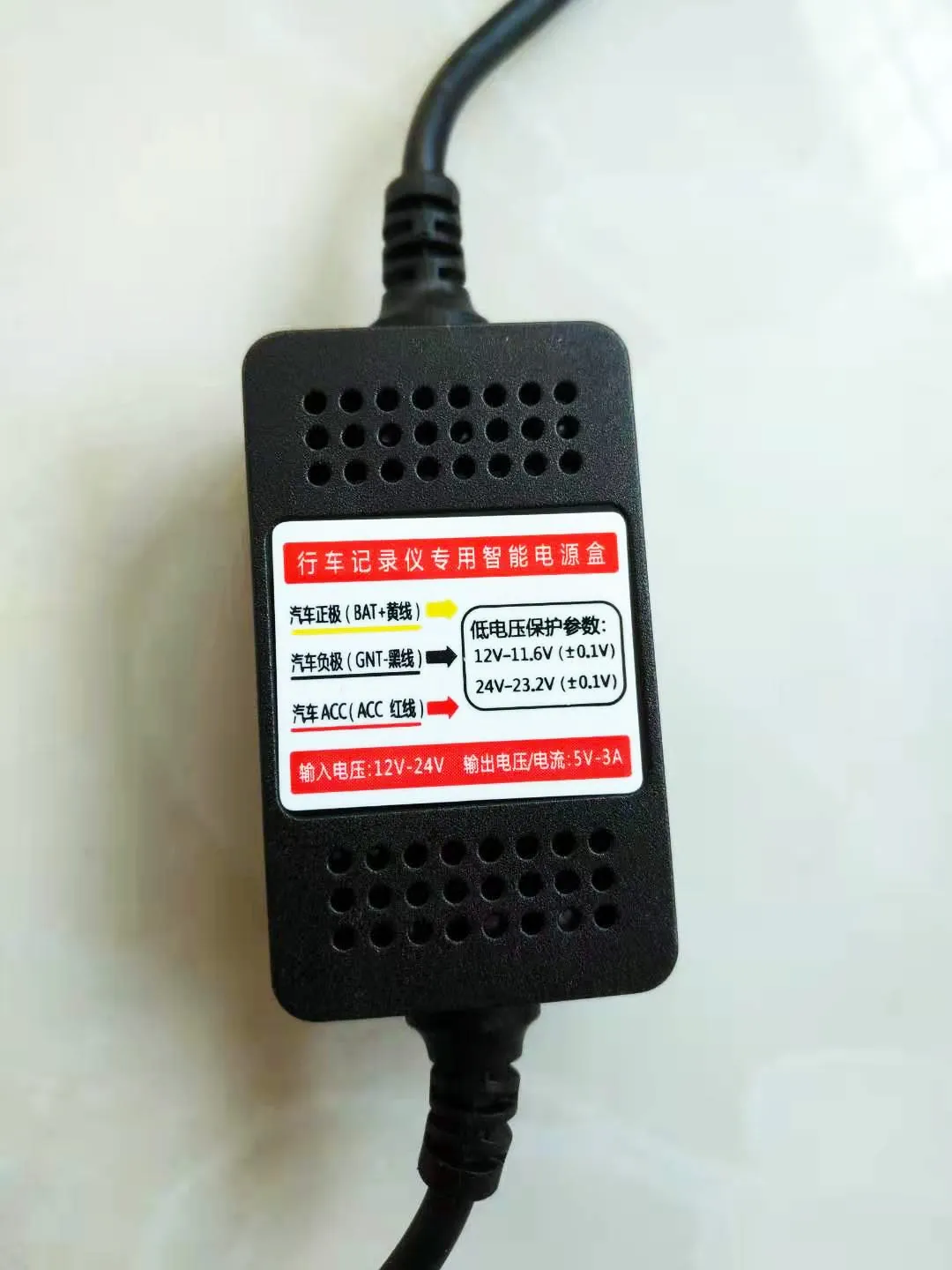
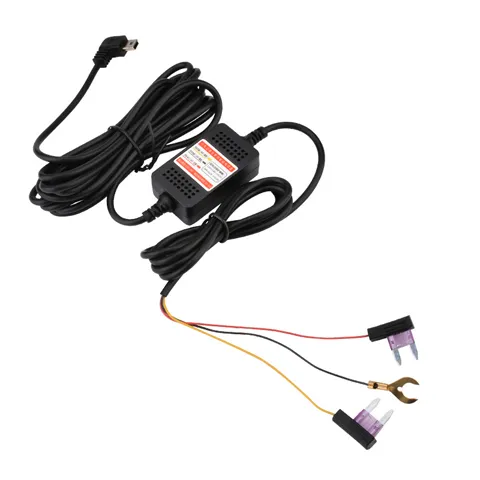
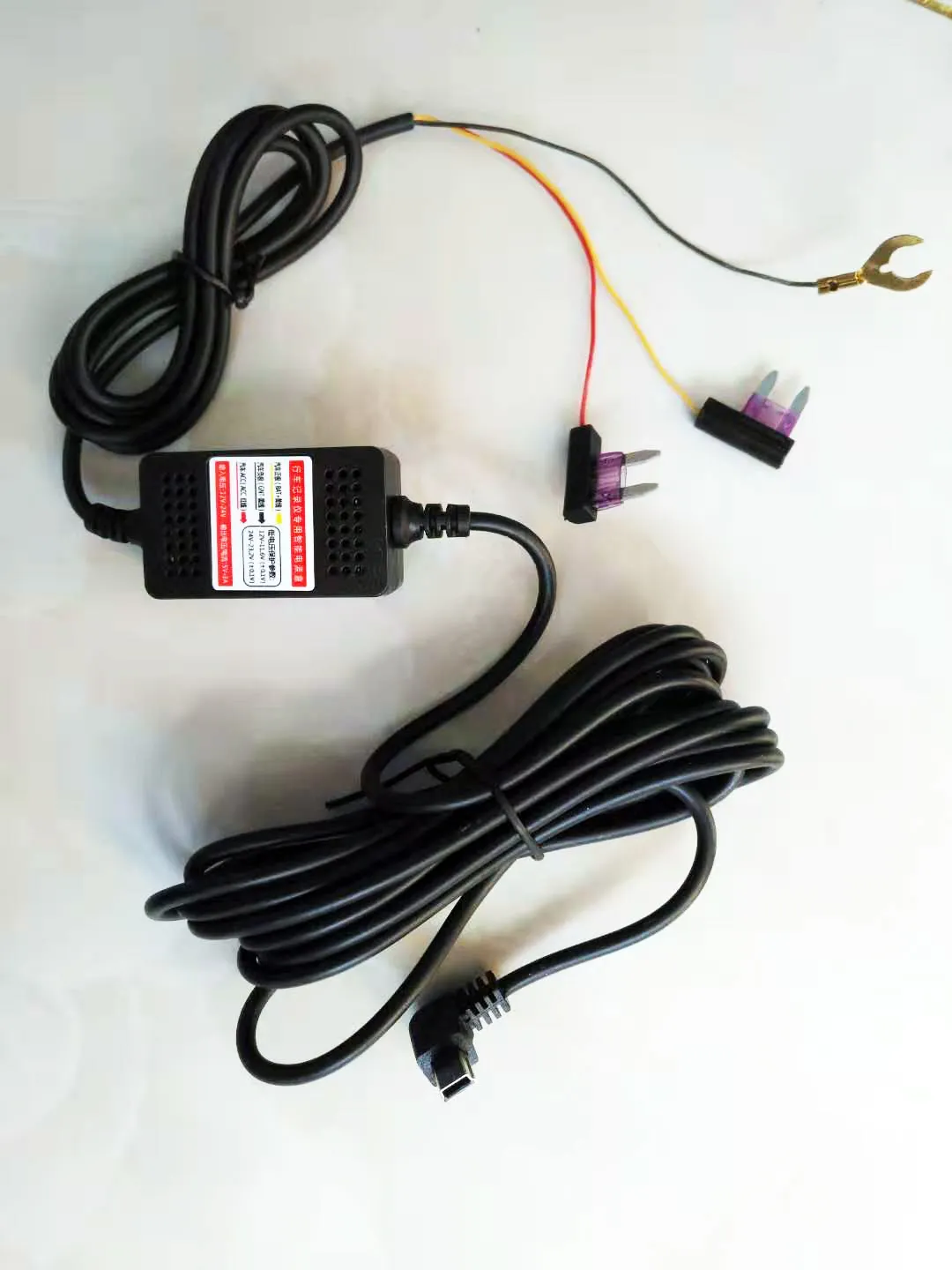
Correct wiring configuration also makes installation practical. The red wire connects to the ACC ignition line which activates power when the vehicle starts. Yellow wiring connects to either continuous power or ACC depending on the setup you prefer. Black wiring attaches to the vehicle ground point which completes the circuit. Many drivers appreciate how this structure allows the dash camera to start automatically when the engine turns on.
Compatibility matters as well. This cable works with many popular dash recorder brands and vehicle camera systems including models from First Site, Jiedu, Lingdu and 360. Drivers upgrading or replacing a dash cam power lead will often find this type of cable suitable for most recorder units that require regulated five volt input.
Another advantage appears in the output capacity. With output power rated below one hundred watts, the cable easily supports typical dash cameras and driving recorders without stressing the vehicle electrical system. That capacity provides enough current for camera recording, memory card writing, and sometimes additional features such as parking monitoring.
Compact wiring helps maintain a tidy installation inside the cabin. Dash camera wiring usually runs along the headliner near the windscreen and down toward the fuse box. Slim cables reduce clutter around the interior panels. Drivers prefer neat wiring because it keeps the vehicle interior looking organised.
Voltage stability becomes especially important during longer journeys. Road trips between cities such as Brisbane and Sydney can involve hours of continuous recording. Reliable voltage conversion ensures your dash camera continues capturing footage the entire time without interruptions caused by unstable power.
Daily commuters often rely on dash cameras to record traffic situations. Someone driving across busy city streets during morning school drop offs will appreciate a power cable that automatically activates the camera when the ignition switches on. No buttons to press. No worries about forgetting to start recording.
Long distance drivers also benefit. Couriers, rideshare operators, and delivery drivers spend many hours on the road. Their dash cameras often run continuously during shifts. Stable voltage supply keeps the recording system operating without unexpected shutdowns.
Car enthusiasts installing aftermarket electronics represent another group who finds this cable useful. Many drivers install multiple accessories such as GPS trackers, dash cameras, and interior recording systems. Reliable power wiring ensures those electronics run correctly.
And families planning weekend road trips across Australia often want peace of mind. A recording camera powered properly through a regulated cable means the device is ready if anything unusual happens on the road.
Inside the package you receive the essential wiring component needed to connect a dash camera to vehicle power.
Product specifications
Input voltage vehicle twelve volt system
Output voltage regulated five volts
Output power below one hundred watts
Wire colour red ACC ignition connection
Wire colour yellow continuous or ACC power connection
Wire colour black ground connection
Connector types T connector option or Android connector option
Additional option with testing pencil tool depending on variant
Package contents
1 power cord
GiftDeal has supplied practical automotive accessories to Australian shoppers since 2020. Our catalogue focuses on products drivers actually use every day rather than gimmicks that sit in a drawer. Dash camera wiring and vehicle electronics fall squarely into that category because reliable power components keep safety equipment running properly. Orders ship quickly within Australia so you can install your gear without long delays. And if something is not quite right, our support team keeps the return process simple and hassle free.
Many drivers browsing this page also explore related GiftDeal categories such as dash cameras, car phone mounts, and vehicle interior organisers that keep everyday driving gear tidy.
[BUYER_GUIDE]
Electrical wiring inside a vehicle experiences constant movement and temperature changes. Heat from the dashboard area during Australian summer months can become surprisingly intense, especially between December and February. Good quality cables often use insulated copper wiring wrapped in durable PVC or heat resistant polymer sheathing. Those materials prevent signal loss while protecting the cable from wear.
Another factor involves connector strength. Weak connectors sometimes loosen after months of driving vibration. Secure plugs and reinforced wiring points improve longevity. Drivers installing dash cameras want wiring that stays reliable even after thousands of kilometres on Australian roads.
Electrical shielding also matters. Proper insulation reduces interference from other vehicle electronics such as alternators, navigation units, and audio systems. From what we have seen, cables built with stable internal conductors maintain consistent voltage conversion for longer periods.
Voltage conversion remains the most important specification in a dash camera power cable. Most vehicles supply twelve volts through the fuse box or accessory circuit. Dash cameras and DVR recorders normally require five volts. A proper conversion circuit regulates that difference safely.
Output power capacity also deserves attention. A cable rated below one hundred watts easily handles standard dash cameras, parking recording modules, and small accessories connected through the same system. Higher capacity ensures stable current delivery during long recording sessions.
Wire configuration plays a role too. Typical installations include ACC ignition wiring, continuous power wiring, and a ground connection. Those three wires allow the dash camera to power on automatically with the vehicle ignition while maintaining proper electrical balance.
Power conversion cables fall into a modest price range across the Australian automotive accessory market. Cheaper versions may work initially but often lack reliable voltage regulators or durable insulation. Spending slightly more usually brings improved internal circuitry and stronger wiring connectors.
Drivers installing dash cameras typically expect the system to record continuously without interruptions. That reliability depends heavily on stable power delivery. Paying attention to cable quality early helps avoid frustration later.
Reliable voltage conversion forms the foundation of this cable. The Power Line Step Down Cable converts twelve volt vehicle power into a regulated five volt output suitable for driving recorders. That conversion ensures the dash camera receives appropriate electrical input without risking damage to internal components.
Wiring configuration supports flexible installation. The red ACC wire activates power when the ignition turns on, while the yellow wire connects either to continuous battery power or the same ACC line depending on user preference. Ground connection through the black wire completes the circuit and stabilises voltage flow.
Drivers installing parking monitoring features appreciate this arrangement. Continuous power allows certain dash cameras to record when the vehicle remains parked, capturing incidents such as bumps in a car park. That feature becomes useful in busy shopping centres or crowded city streets.
Connector options also expand compatibility. Variants include T connectors and Android style connectors depending on the camera system used. From what we have seen, these connections cover many widely used driving recorder brands.
Honestly, the wiring design feels practical. Not overly complex. Just straightforward installation.
Many generic power cables simply connect the dash camera directly to vehicle voltage without stable conversion circuits. That approach can expose sensitive electronics to inconsistent voltage levels produced by the alternator and battery.
The regulated conversion inside this cable maintains steady output while the vehicle engine runs or idles. Stable voltage keeps the dash camera recording smoothly during long drives.
Another difference lies in wiring flexibility. Separate ACC, continuous power, and ground connections allow drivers to configure the system according to their camera features rather than relying on a single power feed.
Installation begins by identifying the vehicle fuse box or ACC ignition source. Drivers connect the red wire to the accessory power circuit so the dash camera activates when the ignition switches on. Next, the yellow wire connects to either constant battery power or the same accessory circuit depending on camera requirements.
Ground wiring comes next. Attach the black wire securely to a metal chassis grounding point inside the vehicle. Once connections are complete, route the cable neatly along the interior trim toward the dash camera mounted near the windscreen.
Turn the ignition key to confirm power reaches the device. If the dash camera activates correctly, the installation is ready for use.
Cable routing helps maintain a tidy interior. Running the wire along the roof lining and behind trim panels keeps the dashboard area free from clutter.
Regularly check wiring connections if the vehicle travels across rough regional roads. Secure wiring ensures reliable voltage delivery to the dash camera system.
And if you're installing it yourself for the first time, take your time. Proper wiring now prevents headaches later.
Drivers who already use a dash camera will recognise the importance of stable power supply. Anyone replacing an existing power cable or installing a new driving recorder needs proper voltage conversion.
Ride share drivers and delivery workers represent a common group who benefit from dependable wiring. Their cameras often run throughout the day while recording road conditions, passenger interactions, and traffic incidents.
Families also appreciate dash cameras during school drop offs and weekend trips. Having a camera that powers on automatically with the vehicle ignition means recording begins immediately.
But consider this question. Would you really want your dash camera shutting down halfway through an important journey?
GiftDeal curates automotive accessories with practical value for everyday drivers across Australia. Since launching in 2020, the store has focused on products that integrate easily into real vehicles used for commuting, family travel, and long road trips. Dash camera accessories remain a popular category because many drivers want reliable recording equipment.
Our catalogue includes carefully selected wiring, mounts, and recording gear that works together smoothly. Customers also appreciate responsive support when choosing the right accessories for their vehicle setup. Local shipping within Australia means quicker delivery and easy returns if required.
[FAQS]
Q: What does a Power Line Step Down Cable actually do for a dash camera?
A: The cable converts twelve volt vehicle power into the five volt supply required by most dash cameras. Voltage conversion protects
internal electronic circuits from excessive electrical input. Stable power ensures the recorder continues operating during long drives. That
reliability allows the camera to capture consistent video footage.
Q: Can this cable work with most dash camera brands?
A: Compatibility generally covers many driving recorder models including First Site, Jiedu, Lingdu and 360 camera systems. The cable
provides regulated five volt output which suits many dash cameras. Checking the connector type on your recorder ensures proper connection.
Most installations require only basic wiring.
Q: How difficult is installation for beginners?
A: Many drivers install the cable themselves using basic tools. The red wire connects to ACC power, the yellow wire connects to either
constant or accessory power, and the black wire connects to ground. Once wiring is complete, the dash camera powers on automatically with
ignition. Drivers unfamiliar with vehicle wiring may also ask a technician to perform the installation.
Q: Does the cable support parking monitoring features?
A: Yes, depending on the dash camera model. Connecting the yellow wire to constant battery power allows the camera to remain active when the
vehicle is parked. Some cameras record short clips if motion or impact is detected. This feature can help capture incidents in car parks or
residential streets.
Q: Is the Power Line Step Down Cable safe for vehicle electronics?
A: The regulated circuit converts voltage before delivering power to the dash camera. That process keeps electrical levels stable and
protects connected devices. Proper grounding also helps maintain balanced current flow through the system. Drivers can operate their
recording equipment without concern about power irregularities.
Q: Will the cable drain the car battery?
A: Power consumption remains minimal because dash cameras require relatively low current. When connected through the ACC ignition circuit,
the device receives power only while the engine runs. Drivers using continuous power for parking monitoring should ensure their camera
includes battery protection features. Those features stop recording if voltage drops too low.
Q: What connector options are available with this cable?
A: Variants include T connector versions and Android style connectors depending on the dash camera input. Some package options also include a
testing pencil tool for identifying power lines during installation. Choosing the correct connector ensures the cable integrates easily with
the recording device. Installation becomes much simpler when connectors match the camera port.
Q: Does Australian climate affect power cable performance?
A: Vehicle interiors across Australia can experience high heat during summer months. Quality insulation and proper wiring materials help the
cable withstand these conditions. Secure installation along interior panels also protects wiring from sunlight exposure. Reliable cables
continue delivering steady power even during warm weather.
We deliver your orders quickly, safely, and securely. Most orders arrive within 7–21 working days. Local deliveries may arrive sooner.
Delivery times may vary based on location, order volume, and courier schedules. Some rural areas may take longer.
If your order hasn't arrived within the estimated timeframe, please contact us: contact@giftdeal.com.au
No FAQs available for this product yet.
Buyer guide not available for this product.