

Computer & Office
Upgrade Your Workspace
Discover premium computer essentials and office supplies designed to boost your productivity and style.
Explore Gear
.webp)
Discover premium computer essentials and office supplies designed to boost your productivity and style.
Explore Gear
Standard delivery charges apply.
Secure handling guaranteed.
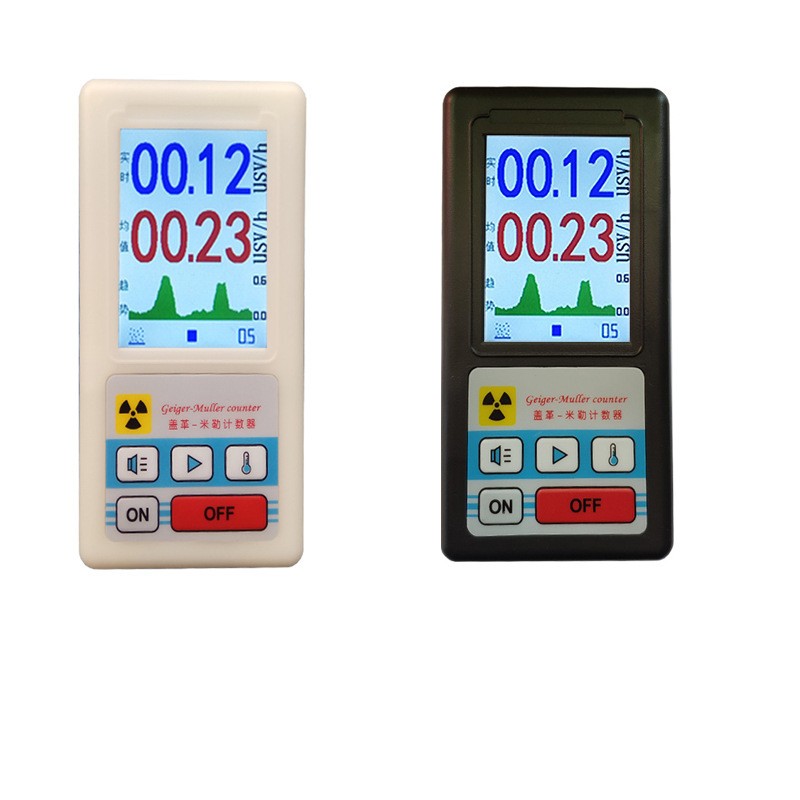
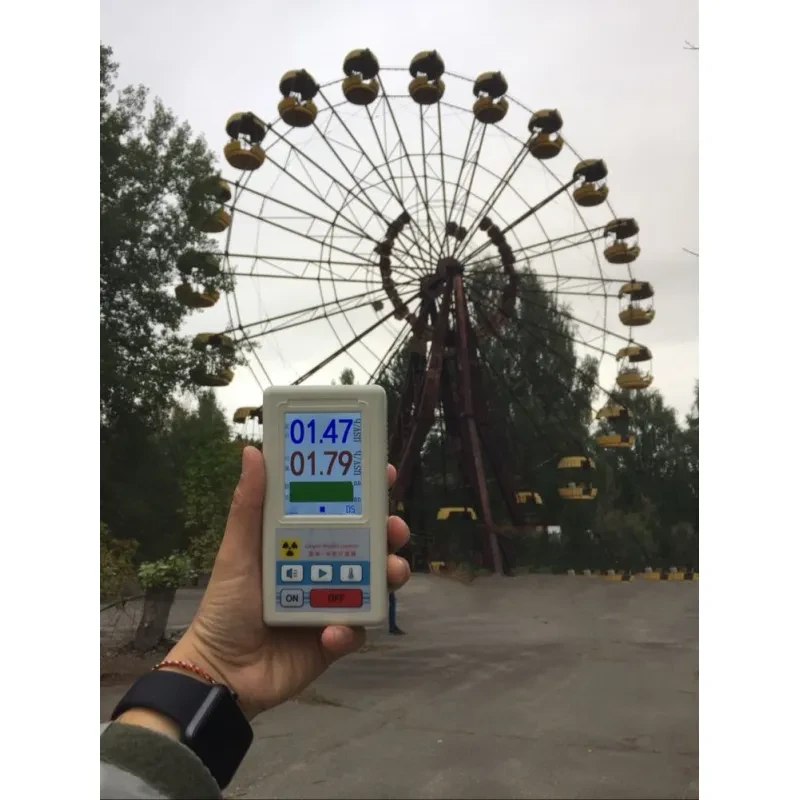
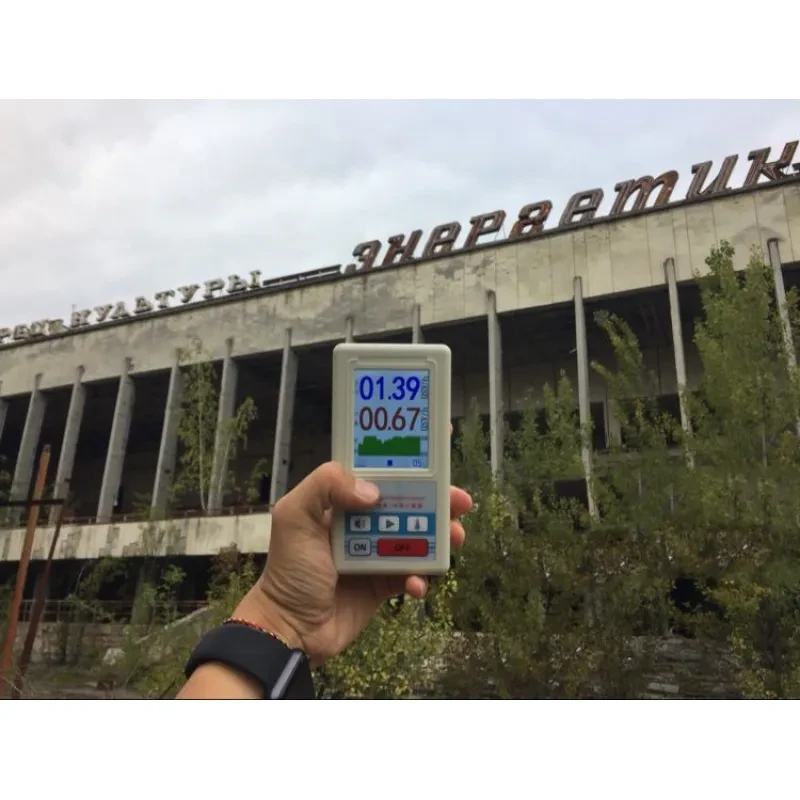
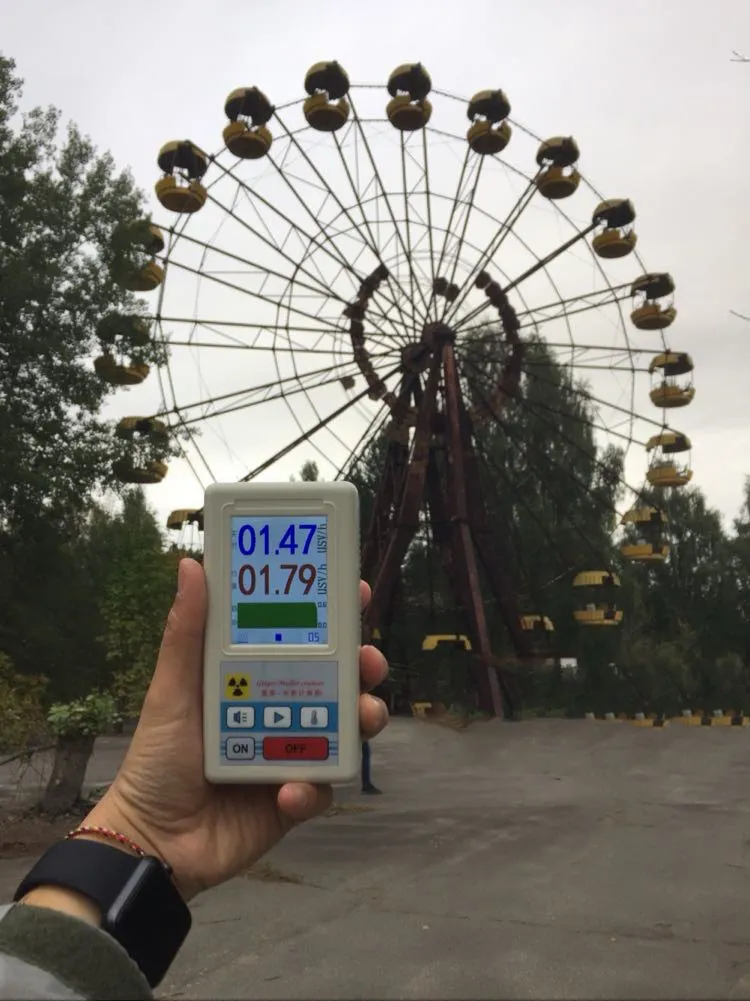
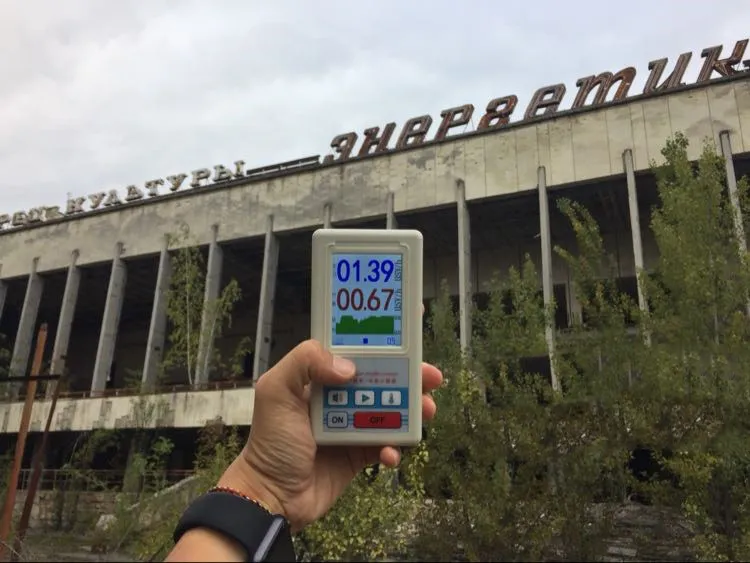
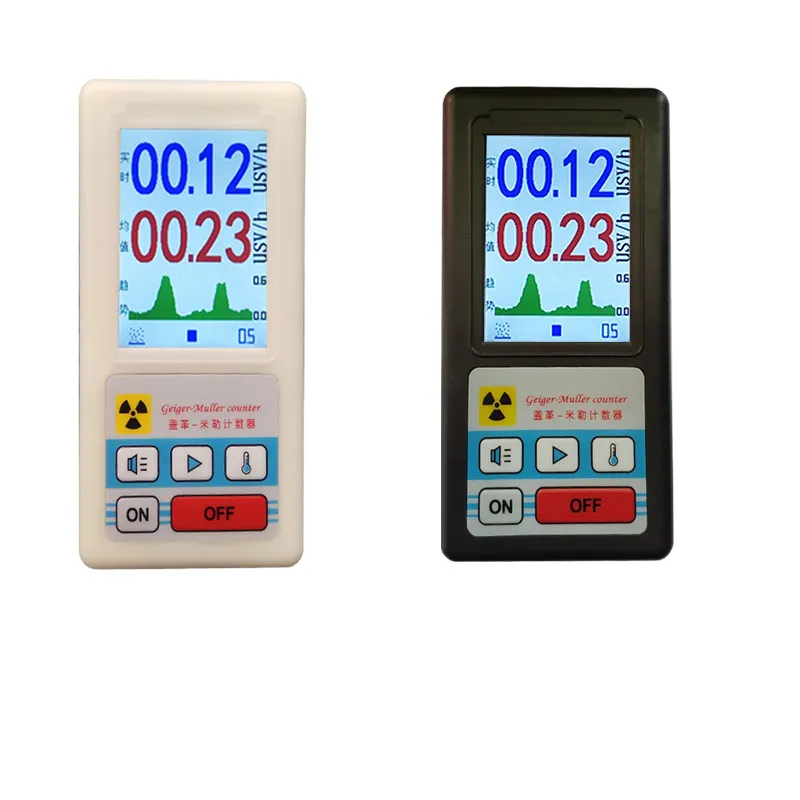
Radiation isn’t something you can see or smell, which is exactly why having a reliable Nuclear Radiation Detector matters more than most people realise. This compact Geiger counter gives you real time readings of ionising radiation, covering beta particles, gamma rays, and X rays in a portable format that fits easily in your hand. It uses an energy compensated GM tube sensor, so readings stay consistent whether you’re checking a storage area, testing imported goods, or heading out on a field survey. And yes, you’ll hear the classic particle clicks too. It’s lightweight, accurate, and practical, making it a solid pick for anyone who wants confidence when measuring background radiation levels.
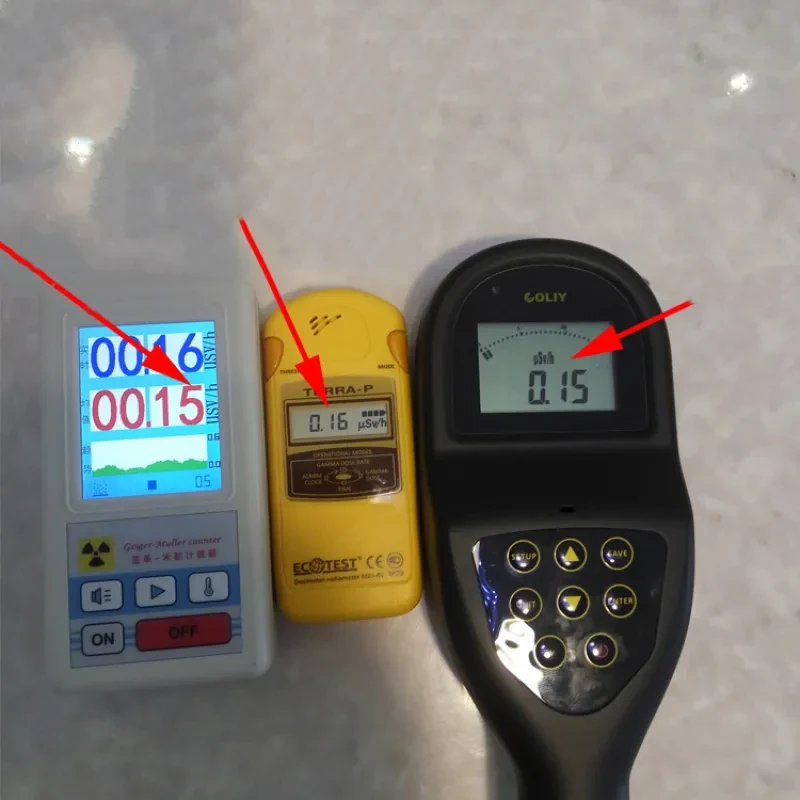
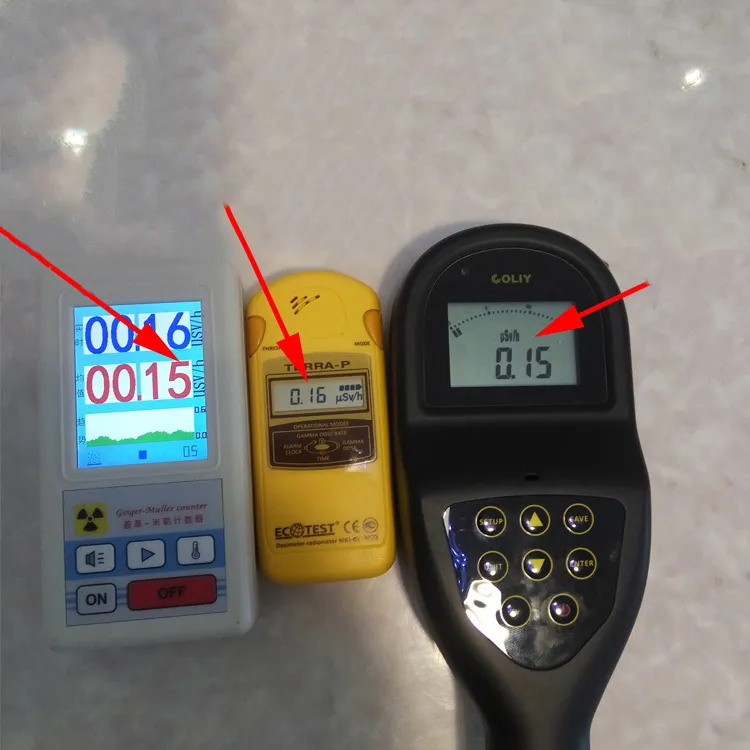
Accuracy is where this device really earns its keep. The energy compensated Geiger Muller tube ensures readings remain stable across different radiation energies, which matters when you’re comparing background levels in different environments. You’re not just getting numbers, you’re getting data you can actually trust.
Portability is another big win here. At just 180 grams without batteries, it’s easy to carry in a backpack, glovebox, or even a work kit. If you’re doing inspections across multiple sites or heading out for environmental checks, you won’t feel weighed down. And it’s small enough to use one handed without any fuss.
The measuring range of 00.00 to 99.99 microsieverts per hour covers everything from normal background radiation to higher alert situations. That wide range means you can use it for everyday checks as well as more specialised monitoring tasks. You’re not limited to a narrow scope.
Audible alerts make a real difference in practical use. You can switch between real particle sound, alarm sound, or mute mode depending on your situation. Working in a quiet indoor space, you might keep it silent. Out in the field, the ticking feedback helps you react instantly to changes in radiation levels.
Customisable alarm thresholds give you more control. Set alerts at 0.5, 1.0, 2.0, or 5.0 microsieverts per hour depending on your tolerance level or the safety standards you’re working with. That flexibility is handy whether you’re a hobbyist or doing professional checks.
Power options are refreshingly flexible too. You can run it on AA batteries, rechargeable batteries, or plug it in via USB. So if you’re on a long road trip or working remotely, you’ve got backup options sorted.
Built from ABS engineering plastic, the casing handles rough handling without feeling flimsy. It’s built for real use, not just sitting on a shelf.
If you’re a home owner curious about environmental safety, this detector gives you peace of mind when checking basements, garages, or even imported building materials. It’s practical, easy to use, and doesn’t require technical training to get started.
Field technicians and environmental inspectors will find it especially useful. When you’re moving between sites, testing soil, or checking industrial areas, having a lightweight yet accurate device makes your job smoother. You’ll appreciate the quick response time and clear readings.
Then there are hobbyists and preppers who like to stay informed and prepared. Whether it’s monitoring background radiation during travel or checking unusual readings, this device fits neatly into that toolkit. And honestly, it’s a bit fascinating to use.
You’ll receive everything needed to get started right away:
Nuclear radiation detector unit x1
Key specifications include:
Sensor type: Energy compensated GM tube
Detection types: Beta, gamma, X ray
Sensitivity: 80 counts per minute per microsievert per hour
Measuring range: 00.00 to 99.99 microsieverts per hour
Alarm thresholds: 0.5, 1.0, 2.0, 5.0
Operating temperature: minus 25 to plus 45 degrees Celsius
Humidity tolerance: up to 95 percent
Power options: AA batteries, rechargeable batteries, USB
Material: ABS engineering plastic
Dimensions: 135 by 70 by 38 millimetres
Weight: 180 grams without batteries
At GiftDeal, we’ve been helping Aussies find practical gear since 2020, and products like this aren’t chosen lightly. We focus on tools that actually serve a purpose, whether it’s for home safety, field work, or personal interest. Orders are dispatched quickly from within Australia, so you’re not waiting weeks for delivery. And if something’s not quite right, returns are straightforward and sorted quickly. It’s about making sure you feel confident not just in the product, but in where you bought it from.
If you’re building out your safety kit, you might also want to check out our emergency preparedness gear, portable power solutions, or outdoor monitoring tools across GiftDeal.
[BUYER_GUIDE]
A good detector should feel solid in your hand without being bulky. ABS engineering plastic is commonly used because it balances durability with lightweight handling, which matters if you’re carrying it around all day. Internal components are just as important. A quality Geiger Muller tube should be properly shielded and energy compensated to maintain accuracy across different radiation types. Buttons and display screens should respond quickly, especially when you’re working outdoors in heat or dust. And if you’re using it across different environments in Australia, from humid coastal areas to dry inland regions, you’ll want something that holds up without fuss.
Not all specs carry equal weight, so it pays to focus on what actually impacts performance. Sensitivity, usually measured in counts per minute per microsievert, tells you how responsive the detector is to low level radiation. Measuring range is another big one, as it determines whether the device can handle both background radiation and elevated levels. Detection capability across beta, gamma, and X ray radiation adds versatility. Alarm thresholds are often overlooked, but they’re crucial if you want automated alerts rather than constantly watching the screen. A reliable Nuclear Radiation Detector should balance all these factors rather than over emphasising just one.
Prices can vary quite a bit depending on sensor quality and build. Cheaper models often cut corners on calibration or sensitivity, which can lead to inconsistent readings. Spending a bit more for a dependable unit usually means better long term value, especially if you plan to use it regularly. In the Australian market, where shipping and availability can affect pricing, it’s worth choosing a model that offers accuracy and flexibility rather than just going for the lowest cost option.
This particular unit stands out because of its energy compensated GM tube, which keeps readings stable across different radiation energy levels. That’s important if you’re comparing readings from various sources, like checking imported goods or scanning different areas of a property. The wide measuring range means you can track both everyday background radiation and higher spikes without switching devices.
Audio feedback adds another layer of usability. Hearing real particle clicks gives you immediate awareness, especially when you’re moving through different zones. If you’re out on a field inspection or even just exploring for interest, that audible cue helps you react quickly. Adjustable alarm thresholds also mean you can set your own safety limits rather than relying on fixed settings.
Power flexibility is another strong point. You can use standard AA batteries for convenience, switch to rechargeable options for regular use, or plug it into USB power when you’re working indoors. And honestly, that kind of flexibility makes a big difference when you’re out on a long drive or working across multiple sites in one day.
Compared to basic detectors, this model offers better sensitivity and a broader measurement range. Entry level units often lack adjustable alarms or offer limited detection types, which can restrict their usefulness. More advanced models can be bulky or overly technical, which isn’t always practical for everyday use. This device sits nicely in the middle, giving you accurate readings, multiple power options, and a portable design without overcomplicating things.
Getting started is straightforward. Insert your preferred power source, whether that’s AA batteries or a USB connection, and switch the unit on. Allow it a short warm up period so the sensor stabilises before taking readings. Place the detector near the area you want to test, keeping it steady for consistent results. The display will show radiation levels in microsieverts per hour, and you can adjust alarm thresholds based on your needs. It’s pretty intuitive once you’ve used it a couple of times.
Keep the sensor area clean and avoid exposing it to moisture or dust buildup, especially if you’re using it outdoors. Regularly check battery levels to ensure consistent performance, particularly during longer sessions. If you’re comparing readings across different locations, take multiple measurements and average them for better accuracy. And don’t forget to store it in a dry, moderate temperature environment when not in use. From what we’ve seen, a bit of care goes a long way in maintaining reliable readings.
This detector suits a range of users, from curious homeowners to professionals needing portable monitoring tools. If you’re living near industrial zones or just want to check environmental safety around your home, it gives you quick and reliable feedback. Field inspectors and technicians working across construction sites, warehouses, or transport hubs will appreciate its portability and accuracy.
Outdoor enthusiasts and travellers also find it useful, especially when heading into remote areas across Australia. Imagine doing a road trip through the outback and wanting to check environmental conditions along the way. It’s one of those tools you might not use every day, but when you need it, you’re glad it’s there. And really, who wouldn’t want that extra layer of awareness?
GiftDeal has been serving Australian customers since 2020, focusing on practical products that genuinely add value to everyday life. Our range is carefully selected so you’re not stuck sorting through questionable options. With local support and a team that actually understands how these products are used, you can shop with confidence. Fast domestic shipping means your order arrives quickly, and if you need help, real people are available to assist. It’s about making sure you’re looked after from start to finish.
[FAQS]
Q: How accurate is this Nuclear Radiation Detector for everyday use?
A: The device uses an energy compensated Geiger Muller tube, which helps maintain consistent accuracy across different radiation energy
levels. For everyday monitoring, such as checking background radiation in homes or workplaces, it provides reliable readings. While it’s not
a laboratory instrument, it’s well suited for practical field use. Regular calibration checks can further improve consistency.
Q: Can it detect all types of radiation?
A: This detector is capable of measuring beta particles, gamma rays, and X rays. These are the most common forms of ionising radiation
encountered in environmental and industrial settings. It does not measure alpha radiation, which typically requires specialised detectors.
For general monitoring, its coverage is more than sufficient.
Q: How long do the batteries last during use?
A: Battery life depends on the power source you choose and how often you use the alarm and sound features. Standard AA batteries can last
for several hours of continuous operation. Using rechargeable batteries or USB power can extend usage time significantly. Keeping spare
batteries on hand is always a good idea for longer sessions.
Q: Is it suitable for outdoor use in Australian conditions?
A: Yes, it operates within a temperature range from minus 25 to plus 45 degrees Celsius. That makes it suitable for most Australian
climates, from cooler southern regions to warmer inland areas. Just be mindful of extreme humidity or direct exposure to rain. A protective
case can help extend its lifespan outdoors.
Q: Does it require calibration before use?
A: The unit comes ready for use, but like most radiation measuring devices, periodic calibration is recommended for the best accuracy.
Professionals may choose to calibrate it against a known radiation source. For casual users, the factory settings are generally sufficient.
Regular checks ensure readings remain consistent over time.
Q: How portable is the device for travel?
A: Weighing just 180 grams without batteries, it’s easy to carry in a bag or even a large pocket. Its compact size makes it ideal for
travel, whether you’re heading out on a road trip or visiting multiple sites. It doesn’t take up much space, which is always a bonus. And
it’s quick to pull out and use when needed.
Q: Can I use it indoors without any issues?
A: Absolutely, it works well in indoor environments such as homes, offices, or storage areas. The mute mode is particularly useful if you
don’t want audible clicks or alarms. It’s safe to operate and doesn’t emit radiation itself. Indoor testing is one of its most common use
cases.
Q: What kind of display readings should I expect?
A: The screen shows radiation levels in microsieverts per hour, which is a standard unit for measuring exposure. You may notice slight
fluctuations as background radiation naturally varies. Consistent readings over time give a clearer picture of the environment. Higher
readings will trigger alarms if thresholds are set.
Q: Is any maintenance required for long term use?
A: Maintenance is fairly simple and mostly involves keeping the device clean and storing it properly. Avoid dust buildup around the sensor
area and keep it away from moisture. Check battery contacts occasionally to ensure good power connection. With basic care, it should perform
reliably for years.
We deliver your orders quickly, safely, and securely. Most orders arrive within 7–21 working days. Local deliveries may arrive sooner.
Delivery times may vary based on location, order volume, and courier schedules. Some rural areas may take longer.
If your order hasn't arrived within the estimated timeframe, please contact us: contact@giftdeal.com.au
No FAQs available for this product yet.
Buyer guide not available for this product.