

Computer & Office
Upgrade Your Workspace
Discover premium computer essentials and office supplies designed to boost your productivity and style.
Explore Gear
.webp)
Discover premium computer essentials and office supplies designed to boost your productivity and style.
Explore Gear
Standard delivery charges apply.
Secure handling guaranteed.
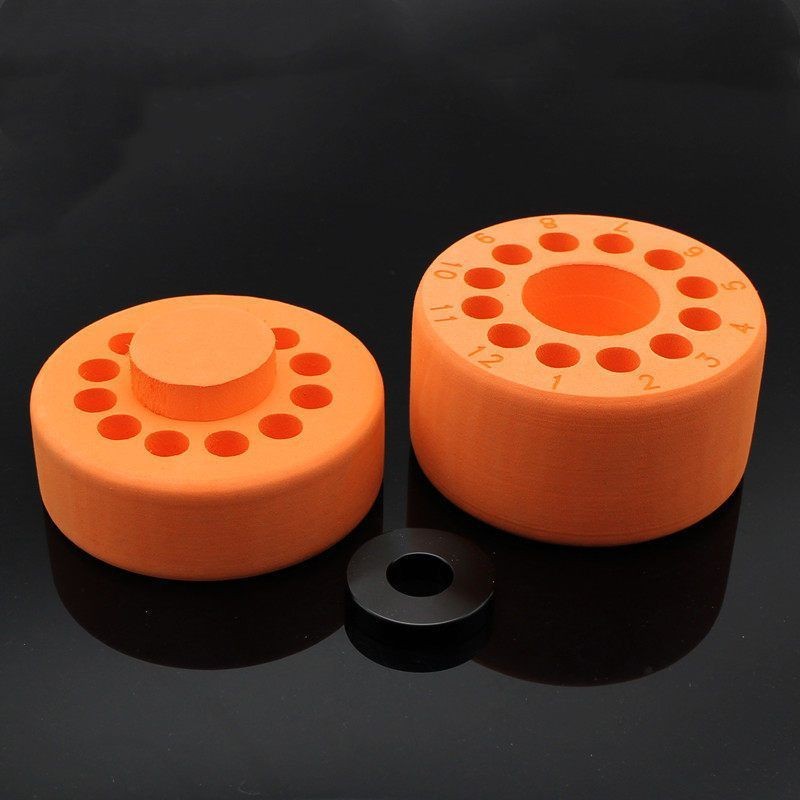
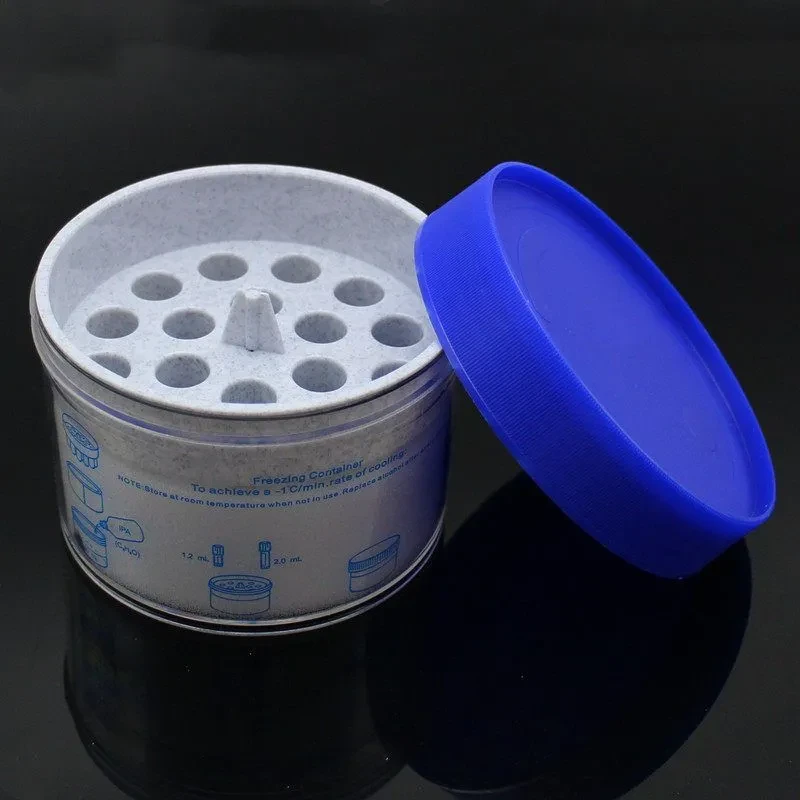
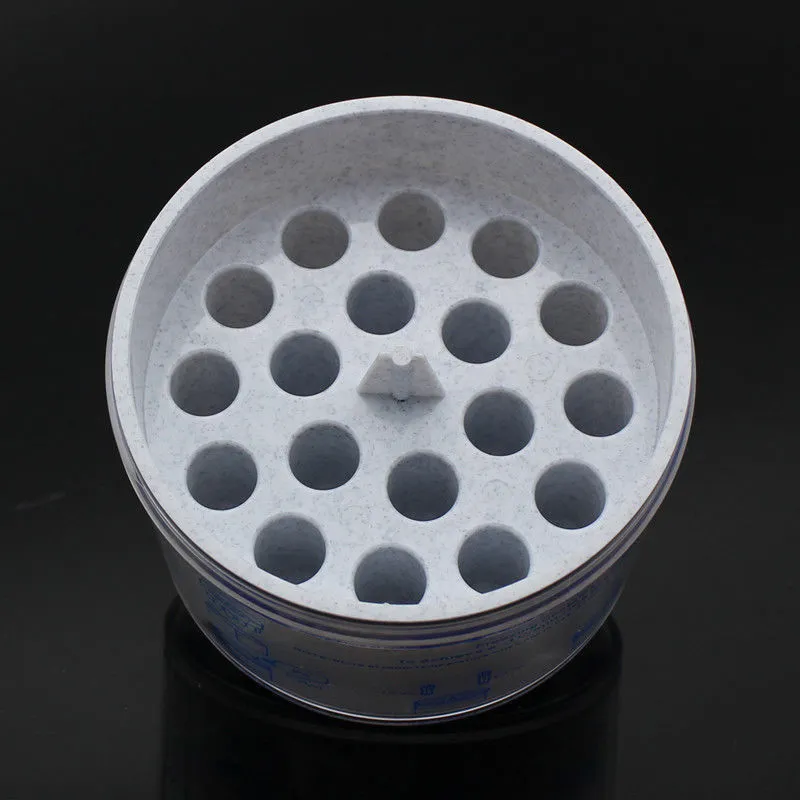
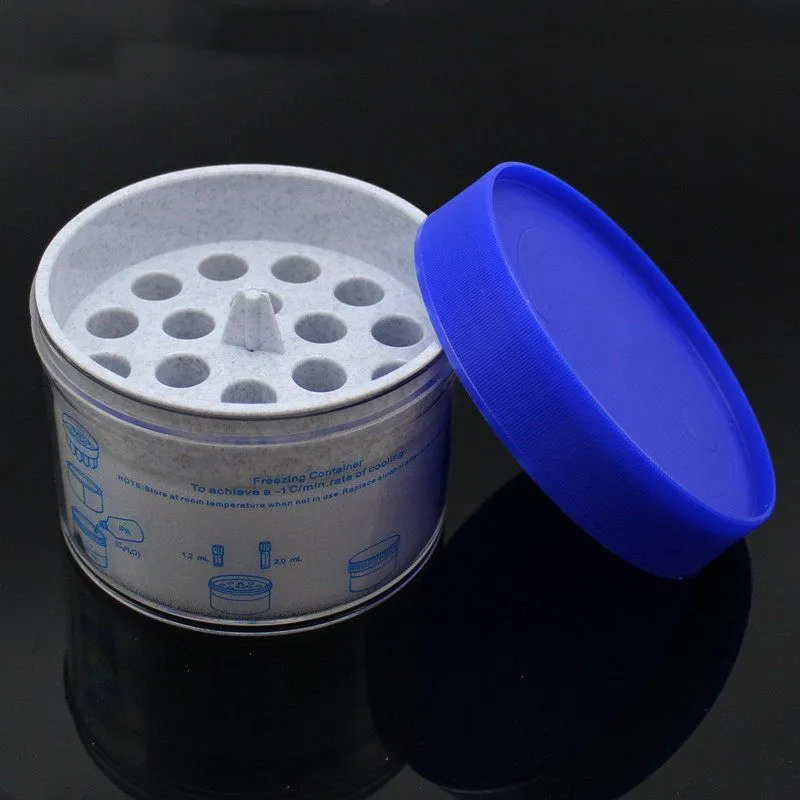
In the demanding field of biological research and clinical diagnostics, the Gradient Freezing Cooling Box stands as a vital instrument for ensuring the long-term viability of sensitive samples. Maintaining a controlled-rate environment during cryopreservation is not just a luxury; it is a necessity for preventing intracellular ice crystal formation that can lead to irreversible cellular damage. By utilizing a high-precision Gradient Freezing Cooling Box, lab technicians can achieve a consistent cooling rate of approximately -1°C per minute when placed in a standard -80°C freezer. This specialized Gradient Freezing Cooling Box is engineered to bridge the gap between simple sample storage and advanced cryogenic science, providing a reliable platform for both cell recovery and sample integrity.
Successful cryopreservation requires a delicate balance of thermal dynamics, which is precisely what this cooling tool provides. The internal architecture of the Gradient Freezing Cooling Box is designed to facilitate uniform temperature distribution across all sample vials simultaneously. This uniformity is critical because even minor fluctuations in cooling rates between different tubes can lead to inconsistent experimental results or the loss of valuable primary cell lines. By standardizing the freezing process, researchers can ensure that their repeatable data is based on samples that have undergone identical thermal journeys.
The versatility of this cooling tool extends across various scientific disciplines, including oncology research, stem cell therapy, and reproductive medicine. In clinical settings, the Gradient Freezing Cooling Box is frequently used for the gradual freezing of peripheral blood mononuclear cells (PBMCs) and other high-value biological materials. The ability to recover these cells with high viability percentages after thawing is the true measure of a successful cryopreservation protocol. This box streamlines the workflow in biotech industries, allowing for high-throughput processing without the need for expensive, automated liquid nitrogen-based controlled-rate freezers.
| Feature | Specification Details |
| Product Name | Process Cooling Box for Gradient Freezing |
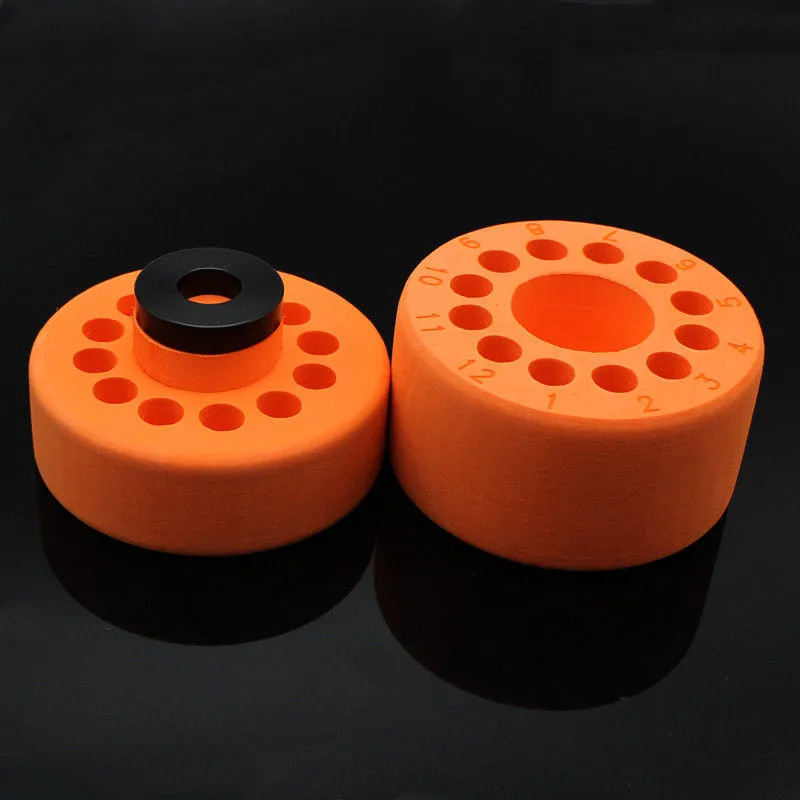
| Available Colors | Professional Orange, Laboratory Blue |
| Primary Material | High-Grade Metal and Durable Plastic Composite |
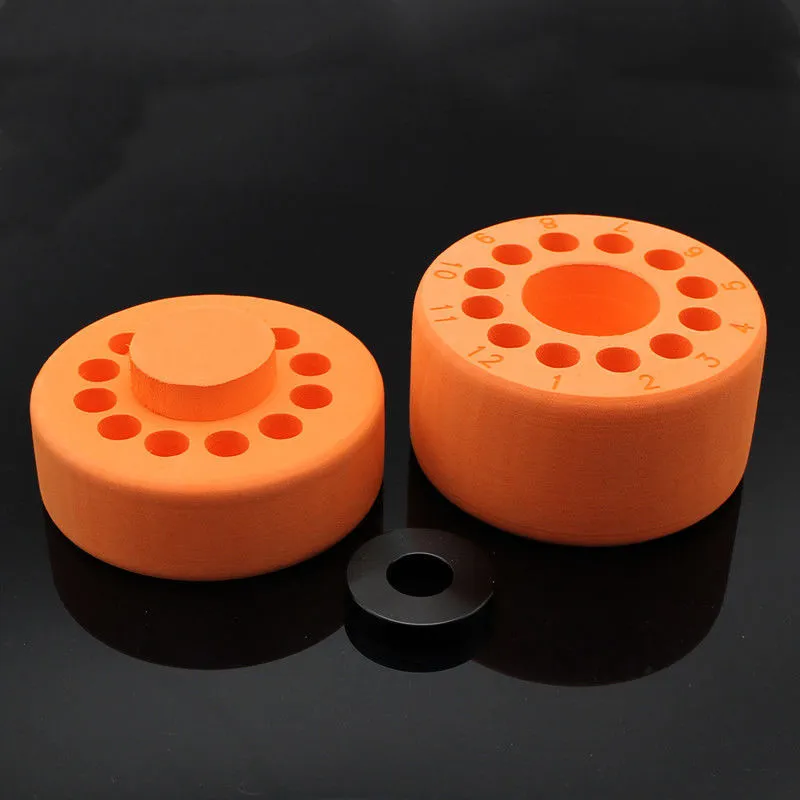
| Capacity | Standardized Multi-Hole Configurations (e.g., 12-well) |
| Application | Cell Recovery, Cryopreservation, Sample Storage |
| Compatibility | Standard -80°C Lab Freezers |
| Package Contents | 1 x Gradient Freezing Cooling Box |
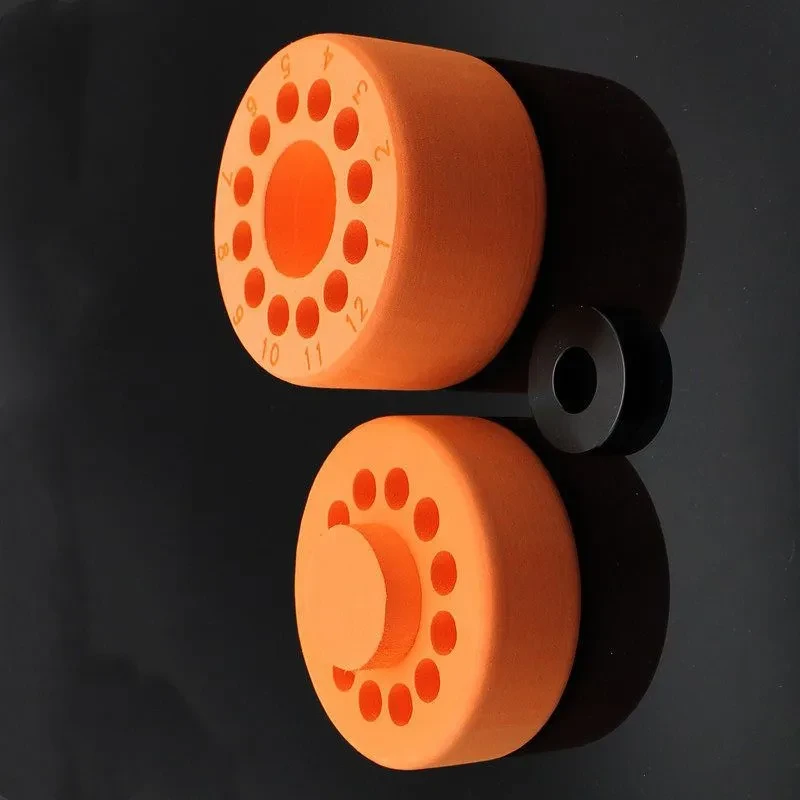
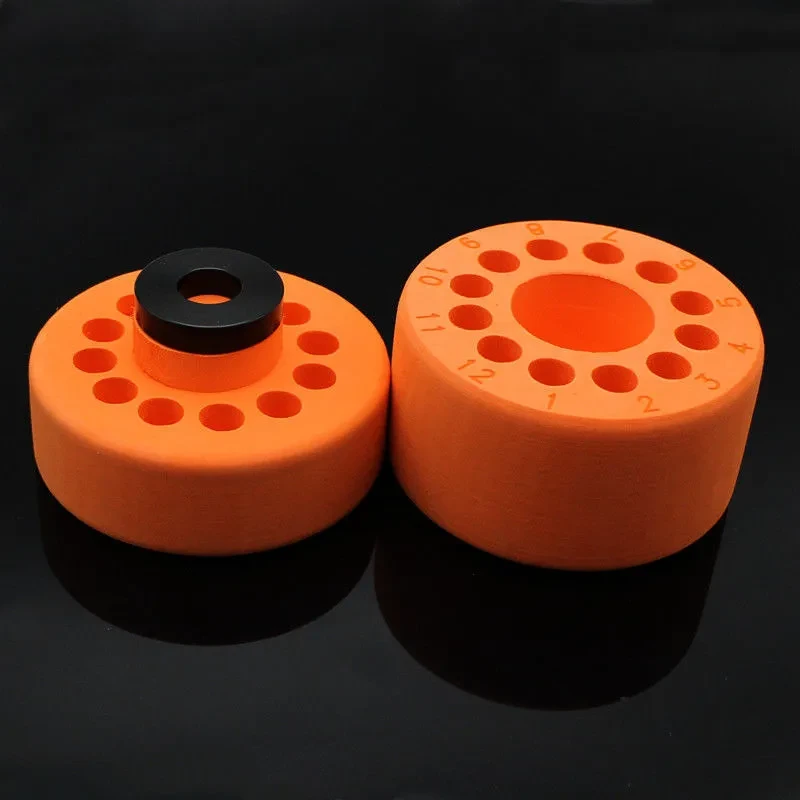
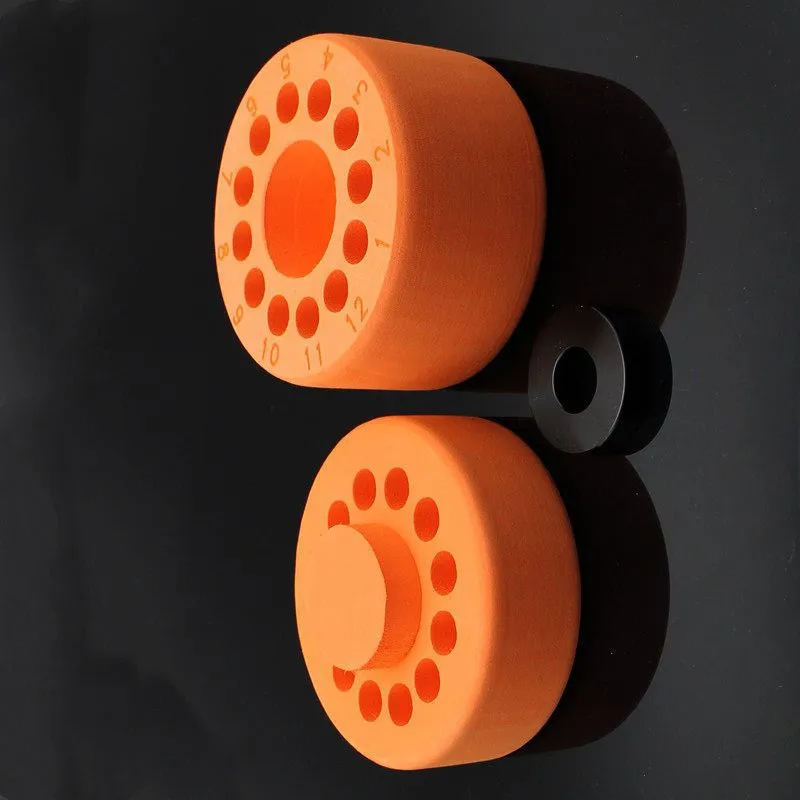
Constructed from a robust combination of metal and durable plastic, this cooling box is built to withstand the extreme thermal cycles associated with laboratory freezers. The metal core provides the necessary thermal mass to regulate the cooling rate, while the plastic outer housing offers insulation and protection during handling. Its compact, circular design is optimized for space efficiency, allowing multiple units to be stored within a single freezer shelf. The numbered slots (1 through 12) on the exterior ensure easy sample tracking and organization, reducing the time the freezer door remains open and maintaining the overall stability of the cold chain.
One of the most significant challenges in cell biology is the recovery phase following long-term storage. The Gradient Freezing Cooling Box minimizes the "thermal shock" that cells often experience during the transition from room temperature to cryogenic states. By providing a stable gradient, the device allows for the gradual dehydration of cells, which is a natural defense mechanism against freezing injury. This protective environment is essential for delicate cell types that are notoriously difficult to cryopreserve, such as certain immune cells and transfected cell lines, ensuring that your research begins with the healthiest possible biological starting material.
While automated controlled-rate freezers can cost thousands of dollars and occupy significant floor space, the Gradient Freezing Cooling Box offers a cost-effective, passive alternative that delivers professional results. It requires no electricity or complex maintenance, making it an ideal choice for academic laboratories and startup biotech firms operating under tight budgetary constraints. The simple yet effective design minimizes the risk of mechanical failure, providing a "set it and forget it" solution that scientists can rely on for years of daily use. Investing in this tool is an investment in the long-term success of your laboratory's biobanking efforts.
[BUYER_GUIDE]
When selecting a cooling box for your laboratory, the primary consideration should always be the specific cooling rate required by your protocols. Most standard cell lines require a steady decrease of -1°C per minute to ensure that the cryoprotectant (such as DMSO) can effectively replace intracellular water before ice formation occurs. You should verify that the Gradient Freezing Cooling Box is designed specifically for this -1°C/minute gradient when used in conjunction with a -80°C mechanical freezer. A buyer must also check the vial capacity; for instance, a 12-hole configuration is standard for many research labs, but if you are handling high-volume clinical samples, you might need to purchase multiple units to accommodate your throughput requirements without compromising on the uniformity of the freeze.
The material composition is another critical factor that separates professional-grade cooling tools from inferior replicas. The combination of high-density plastic and a thermal-conductive metal core is essential. The metal component acts as a heat sink that absorbs and dissipates thermal energy at a controlled speed, while the plastic housing prevents the exterior from becoming too cold too quickly. Additionally, consider the durability of the markings on the box. In a lab environment where samples are moved in and out of sub-zero temperatures, etched or molded numbering is superior to printed labels, which can peel or fade over time due to frost and moisture. Ensuring that your samples are easily identifiable is a key component of Good Laboratory Practice (GLP).
Compatibility with your existing lab infrastructure is a logistical detail that should not be overlooked. Measure the internal height of your freezer drawers to ensure that the 9cm or standard-sized cooling box will fit comfortably without obstructing the drawer mechanism. Furthermore, evaluate the "thaw-back" period required before the box can be reused for the next set of samples. A professional-grade box should return to room temperature relatively quickly after being removed from the freezer, allowing for a faster turnaround in busy lab environments. If the box retains cold for too long, it could inadvertently pre-chill your next set of samples too rapidly, potentially damaging them before they even enter the freezer.
A buyer should also assess the ease of maintenance and decontamination. Laboratories working with infectious agents or sensitive cell cultures require equipment that can be easily sanitized. Check if the materials are resistant to common lab disinfectants like 70% ethanol or isopropanol. The smooth surface of the metal and plastic composite used in the Gradient Freezing Cooling Box allows for easy wiping and sterilization. Furthermore, consider the aesthetic and organizational value of having different colors. Using orange boxes for one project and blue for another can serve as a simple yet effective visual coding system, reducing the risk of cross-contamination or sample mix-ups during busy processing windows.
Finally, consider the long-term reliability and the reputation of the manufacturer. While the initial purchase price is important, the "cost of failure" in a biological lab is extremely high—losing a year's worth of research due to a faulty freezing protocol is a catastrophic risk. Look for products that have been used successfully in peer-reviewed research or have positive testimonials from established biotech industries. A reliable Gradient Freezing Cooling Box should offer repeatable results year after year. By prioritizing precision, material quality, and ease of use, you can ensure that your cryopreservation workflow remains robust, efficient, and capable of supporting the most demanding scientific inquiries.
[FAQS]
Q: What is the ideal cooling rate provided by this box?
A: When placed inside a standard -80°C freezer, this box provides a controlled cooling rate of approximately -1°C per minute. This is the industry-standard rate required for the successful cryopreservation of most biological cell lines.
Q: How many vials can the orange and blue cooling boxes hold?
A: These cooling boxes typically feature a 12-hole configuration, allowing you to process a full dozen 1.2ml or 2.0ml cryogenic vials simultaneously while maintaining uniform temperature distribution for each sample.
Q: Can I use this box for thawing samples as well?
A: While its primary purpose is gradient freezing, the box can provide a more controlled environment for gradual thawing. However, for most cell recovery protocols, rapid thawing in a 37°C water bath is generally recommended.
Q: Is the metal part of the box resistant to corrosion from frost?
A: Yes, the metal components are treated to be resistant to the moisture and frost typical of lab freezer environments. We recommend wiping the box dry after it returns to room temperature to ensure maximum longevity.
Q: Does this cooling tool require the use of isopropyl alcohol (IPA)?
A: Many traditional cooling containers require a jacket of IPA to regulate temperature, but this modern design utilizes solid-state thermal mass (metal and plastic) to achieve the gradient, eliminating the need for messy liquids.
Q: What is the advantage of having different colors like Orange and Blue?
A: Different colors allow for easy visual organization in the lab. You can assign specific colors to different researchers, different cell types, or different experimental stages to minimize errors and cross-contamination.
Q: How long should I leave the box in the freezer for a complete freeze?
A: For most standard protocols, samples should remain in the Gradient Freezing Cooling Box within the -80°C freezer for at least 4 hours before being transferred to long-term liquid nitrogen storage.
Q: Is this box compatible with all brands of cryogenic vials?
A: The internal holes are designed to fit standard 1.2ml to 2.0ml internally or externally threaded cryogenic vials. It is compatible with most major laboratory supply brands used in research and clinical settings.
We deliver your orders quickly, safely, and securely. Most orders arrive within 7–21 working days. Local deliveries may arrive sooner.
Delivery times may vary based on location, order volume, and courier schedules. Some rural areas may take longer.
If your order hasn't arrived within the estimated timeframe, please contact us: contact@giftdeal.com.au
No FAQs available for this product yet.
Buyer guide not available for this product.