

Computer & Office
Upgrade Your Workspace
Discover premium computer essentials and office supplies designed to boost your productivity and style.
Explore Gear
.webp)
Discover premium computer essentials and office supplies designed to boost your productivity and style.
Explore Gear
Standard delivery charges apply.
Secure handling guaranteed.
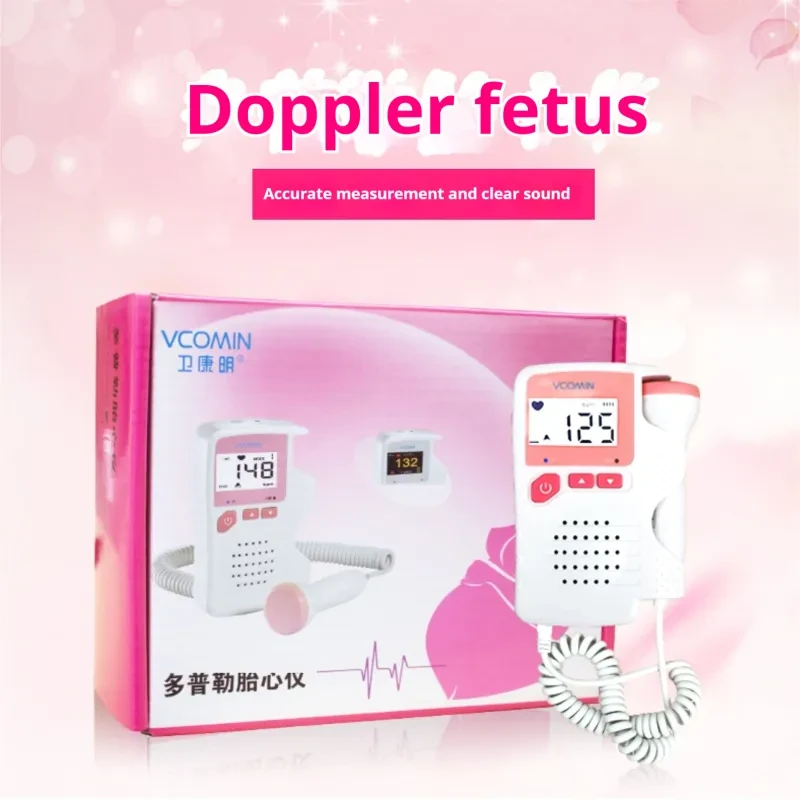
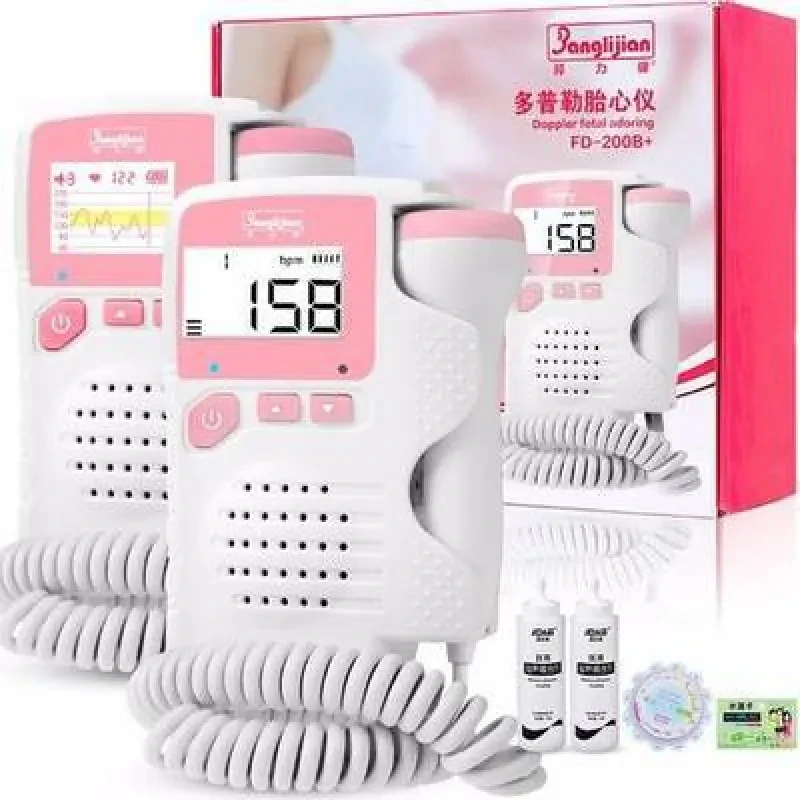
Pregnancy is a journey filled with anticipation and the Handheld Fetal Doppler serves as a vital bridge between an expectant mother and her unborn child. This innovative medical device allows parents to listen to the rhythmic pulse of their baby’s heart from the comfort of their own living room. By utilizing advanced ultrasound technology, the monitor captures the fetal heartbeat and amplifies it through high quality internal speakers. For many families, the ability to hear that consistent thumping sound provides a level of emotional reassurance that is truly priceless. The Handheld Fetal Doppler is designed to be user friendly, ensuring that even those without medical training can operate it effectively to find the baby’s heartbeat after the first trimester.
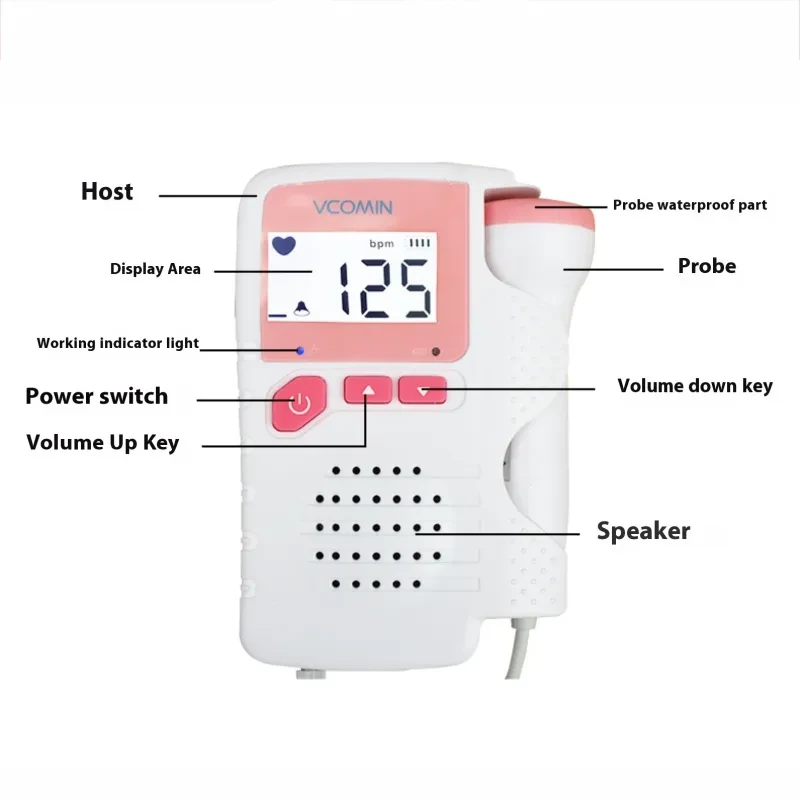
Beyond the emotional connection, the device offers a practical way to stay connected to the pregnancy between scheduled clinical visits. The Handheld Fetal Doppler features a high sensitivity probe that can detect the fetal heart rate (FHR) with remarkable accuracy. This monitor typically includes a clear LCD screen that displays the beats per minute in real time, allowing for a visual confirmation alongside the auditory experience. It is important to note that while this device provides comfort, it is intended to complement professional prenatal care rather than replace it. The compact and lightweight nature of the monitor makes it an ideal companion for expectant mothers who want to share these precious moments with partners, siblings, or grandparents at home.
The primary advantage of owning a personal monitor is the reduction of anxiety during the long weeks between ultrasound appointments. Using a Handheld Fetal Doppler allows you to check in on your baby whenever you feel the need for that extra bit of peace of mind. This is particularly beneficial for high risk pregnancies or for mothers who have experienced previous complications. The ergonomic design of the probe allows it to glide easily over the abdomen, making the process of finding the heartbeat quick and stress free.
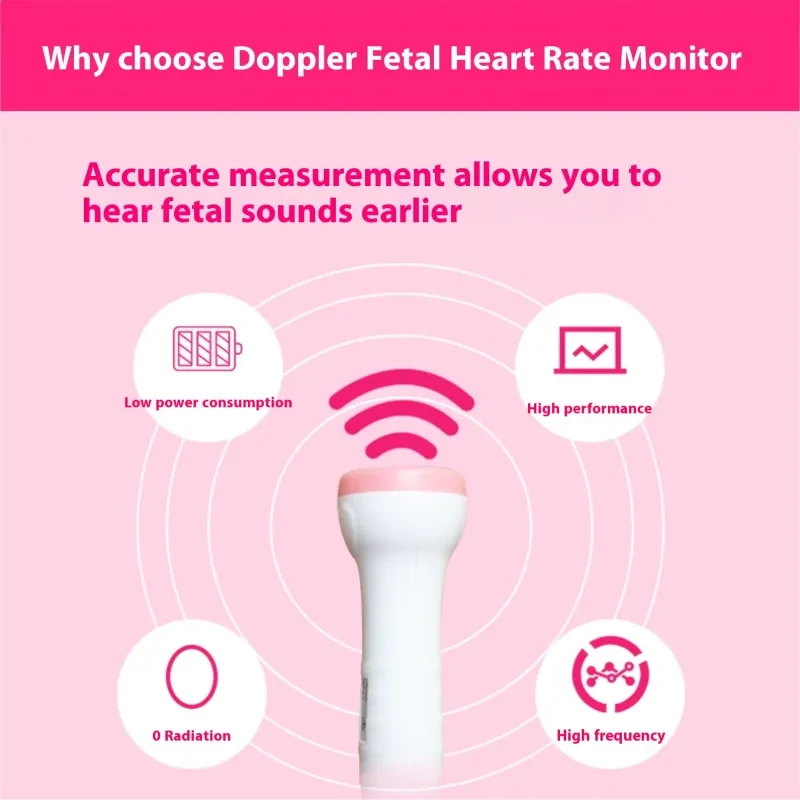
Modern units are equipped with sophisticated noise reduction technology to ensure that the sound you hear is crisp and clear. The Handheld Fetal Doppler utilizes a low power ultrasound frequency which is considered safe for regular home use. The device is powered by standard dry batteries, ensuring that you do not have to worry about charging cables or finding a power outlet when you want to use it. The build quality of the VCOMIN series ensures that the device is durable enough to last throughout the entire pregnancy and can even be kept for future siblings.
| Feature Category | Specification Detail |
| Brand Model | VCOMIN Handheld Series |
| Display Type | Backlit LCD Digital Screen |
| Probe Type | High Sensitivity Waterproof Probe |
| Power Source | Standard Dry Batteries (AA/AAA) |
| Audio Output | Built in Speaker and Headphone Jack |
| Target Audience | Expectant Mothers and Newborn Care |
| Measurement Range | 50 BPM to 240 BPM |
| Weight | Lightweight Portable Design |
[BUYER_GUIDE]
Choosing a fetal heartbeat monitor is a significant decision for any expectant parent, as it involves both technology and the most delicate stage of human life. When you begin your search for a Handheld Fetal Doppler, the first thing to consider is the sensitivity of the probe. Probes are usually measured in Megahertz (MHz), and a 2MHz or 3MHz probe is standard for home use. A 3MHz probe is generally more sensitive and can often detect a heartbeat earlier in the pregnancy, sometimes as early as 12 weeks, whereas a 2MHz probe is better for later stages or for mothers with a higher BMI because the signal penetrates deeper into the tissue.
The second factor to evaluate is the quality of the audio output. A monitor is only as good as the sound it produces. Look for a device that has integrated noise cancellation technology. This feature helps to filter out the background static and the sounds of the mother's own blood flow or digestive system, allowing the distinct gallop of the fetal heart to stand out. It is also highly beneficial to choose a model that includes a headphone jack. Listening through headphones can provide a much more intimate and clear experience, especially in the early stages when the heartbeat might be faint and difficult to hear through a standard external speaker.
Portability and ease of use should also be high on your list of priorities. A handheld device should be light enough to hold for several minutes without causing hand fatigue. The buttons should be intuitive, usually consisting of a power button and volume controls. The LCD screen needs to be bright and clear enough to read in various lighting conditions, displaying the heart rate digits boldly so there is no confusion. Since these devices are often used with ultrasound gel, the exterior should be easy to wipe clean. A waterproof or water resistant probe is a major plus, as it prevents the gel from seeping into the internal components of the sensor over time.
You must also consider the battery life and power management of the unit. Devices that use standard dry batteries are often more convenient than those with built in rechargeable batteries because you can simply swap in a fresh set if they die in the middle of a session. Look for a monitor that has an auto shut off feature. This ensures that if you forget to turn the device off after a session, the batteries will not be drained unnecessarily. This small feature can save you a lot of frustration and money on replacement batteries over the course of nine months.
Finally, consider the reputation of the manufacturer and the clarity of the instructions provided. A medical device, even one for home use, should come with a comprehensive manual that explains the best techniques for finding a heartbeat and how to interpret the results. It is always wise to choose a brand like VCOMIN that is recognized for its reliability in the household medical equipment sector. While price is always a factor, investing in a slightly higher quality monitor ensures better accuracy and a longer lifespan. Remember that this device is a tool for connection and reassurance, so choosing one that works consistently is the most important goal for any buyer.
[FAQS]
Q: At what week of pregnancy can I start using this monitor?
A: Most users can begin to hear a heartbeat between 12 and 16 weeks of pregnancy. However every body is different and factors such as the position of the placenta or the baby can influence how early the sound is captured by the probe.
Q: Is it necessary to use a special gel with the Doppler?
A: Yes an ultrasound gel is essential because it acts as a conductor for the sound waves. Without gel or a suitable substitute like aloe vera or baby oil the air between the probe and your skin will block the signal and you will hear only static.
Q: Can the Handheld Fetal Doppler be used every day?
A: While the technology is non invasive and considered safe it is generally recommended to use the device for short sessions of five to ten minutes a few times a week rather than prolonged daily use to maintain a balanced approach.
Q: What is the normal range for a fetal heart rate?
A: A normal fetal heart rate typically ranges between 120 and 160 beats per minute. If you notice a rate that is consistently outside of this range or if you are concerned it is always best to contact your healthcare provider for a professional assessment.
Q: Why can I hear my own heartbeat instead of the baby's?
A: The mother's heartbeat is usually much slower than the baby's gallop. If you are hearing a slow pulse you may be picking up the sound of a major artery. To find the baby move the probe slowly and listen for a much faster rhythmic sound.
Q: Does this device come with the batteries included in the box?
A: The device typically requires standard dry batteries which are usually sold separately. This allows you to choose high quality alkaline batteries for the longest possible run time and consistent performance during your sessions.
Q: Can I record the heartbeat sound to share with my doctor?
A: Many parents use their smartphones to record the audio from the speaker. Some advanced models also have a line out port that can be connected to a recording device if you wish to save the sound as a digital keepsake for the future.
Q: How do I clean the probe after I am finished using it?
A: After each use you should gently wipe the excess gel off the probe with a soft cloth or tissue. You can use a mild alcohol wipe to sanitize the surface but avoid submerging the entire device or the probe in water unless specified.
We deliver your orders quickly, safely, and securely. Most orders arrive within 7–21 working days. Local deliveries may arrive sooner.
Delivery times may vary based on location, order volume, and courier schedules. Some rural areas may take longer.
If your order hasn't arrived within the estimated timeframe, please contact us: contact@giftdeal.com.au
No FAQs available for this product yet.
Buyer guide not available for this product.