.webp)
Standard delivery charges apply.
Secure handling guaranteed.
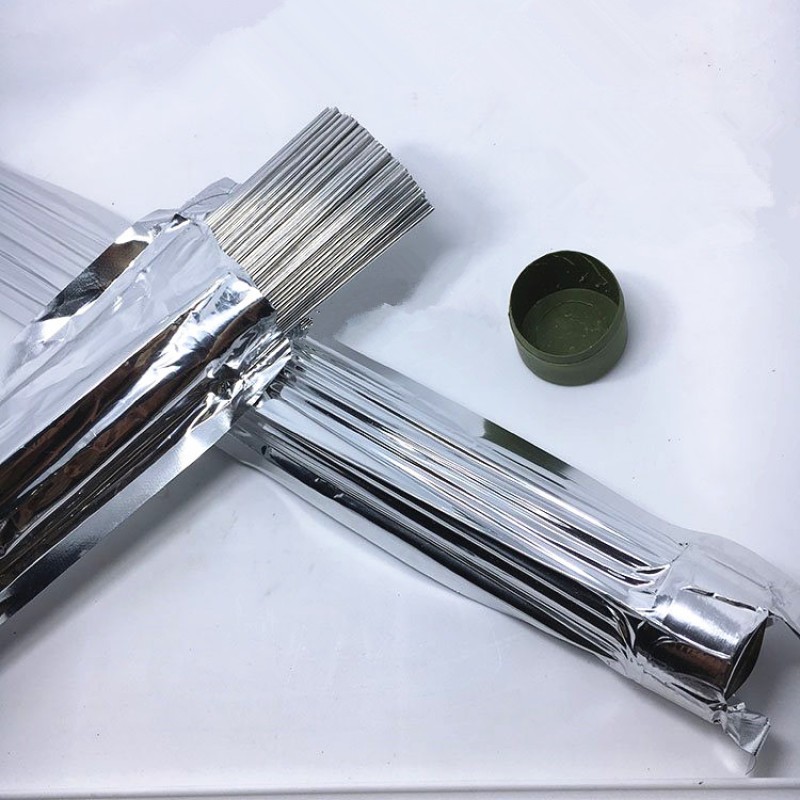
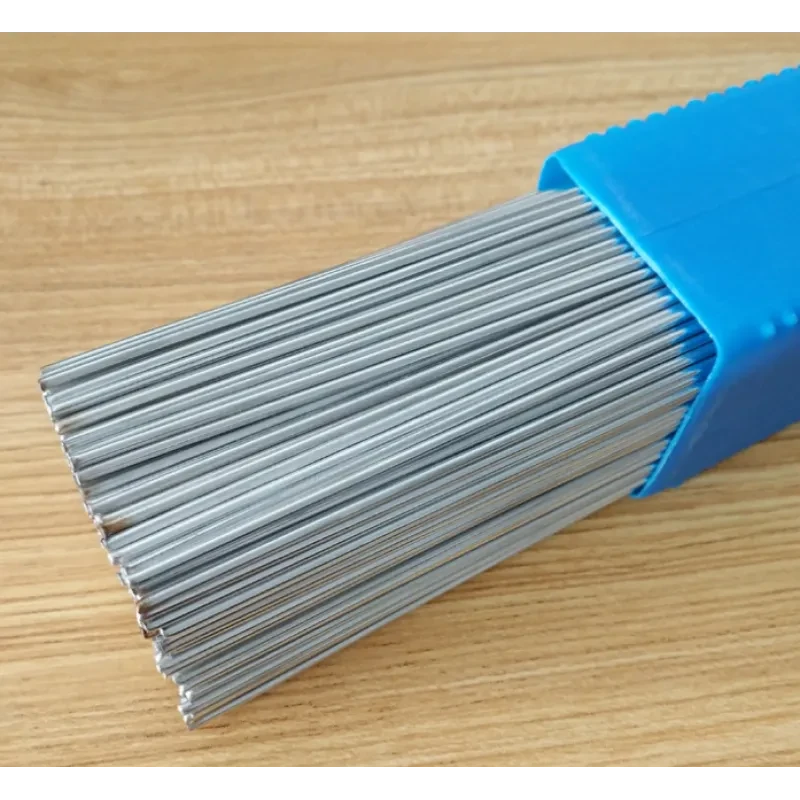
Low Temp Aluminum Welding Rods make metal repair feel far less intimidating, even if you’re just starting out in your shed on a quiet weekend. These rods rely on low temperature flux core technology, allowing aluminium, aluminium alloys, and even mixed white metals to bond securely without complex welding rigs. That means fewer tools, less setup stress, and more time actually fixing what matters. From repairing a cracked bike frame to restoring a worn outdoor ladder, these rods handle real world Aussie tasks with surprising ease. And honestly, once you’ve used them, you’ll wonder why traditional welding ever felt so complicated.
Working with aluminium can be tricky, especially when high heat risks damaging the base material. These rods operate around 380 to 400 degrees, which keeps the structure intact while still forming a strong bond. Imagine fixing a corroded outdoor fitting during a hot January afternoon without overheating the surrounding metal. That balance between heat control and strength makes a real difference when precision matters.
Flux core design eliminates the need for additional flux materials, which simplifies your workflow. As the rod melts, it naturally cleans the metal surface and promotes proper adhesion. You’ll notice smoother weld beads and less residue left behind. During a backyard repair job on a metal chair, for example, this means less cleanup and a neater final result that actually looks decent.
These rods aren’t limited to pure aluminium. They bond effectively with aluminium magnesium alloys and other white metals, even when surfaces are slightly oxidised or contaminated. That flexibility comes in handy when you’re repairing mixed components like outdoor grills or automotive parts. It’s practical, especially when you don’t want to sort through different rods for every job.
Once cooled, the weld strength often matches or exceeds the base material. That’s not just a claim, you’ll feel it when the repaired section holds under pressure. Think about fixing a cracked ladder rung before a weekend clean up. You need confidence it won’t fail. These rods deliver that reliability without overcomplicating the process.
You don’t need advanced welding experience to use these rods effectively. A simple propane torch or oxyacetylene setup is enough to get started. Heat the base metal, not the rod, and let the material flow naturally. It’s straightforward, and after a couple of tries, you’ll get the hang of it. And yes, even first timers can achieve solid results.
From small propane torches to industrial heating devices, these rods adapt easily. That versatility suits both home users and professionals. If you’re working on small DIY repairs in the garage or tackling larger fabrication tasks, the same rods can handle both situations without fuss.
These rods are ideal for DIY enthusiasts who enjoy fixing things around the house, especially those dealing with aluminium furniture, tools, or garden equipment. Picture someone doing weekend maintenance after the school run, patching up a damaged gate or outdoor table. It’s also great for mechanics who need a quick repair option without setting up full welding equipment. And tradespeople working across varied job sites will appreciate the flexibility. Even hobbyists restoring bikes or metal decor will find these rods practical and easy to manage.
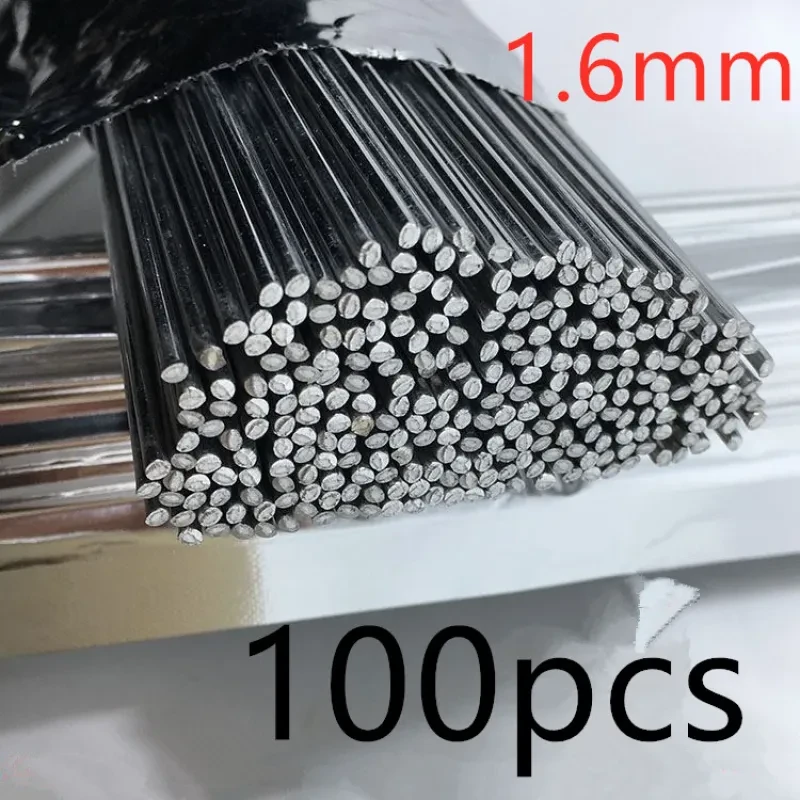
You’ll receive welding rods available in 1.6 mm, 2.0 mm, and 2.4 mm thickness options, each measuring 50 cm in length.
Material is low temperature aluminium flux core wire.
Compatible with propane, oxyacetylene, and induction heating systems.
Suitable for aluminium, aluminium alloys, and mixed white metals.
Designed for use within 380 to 400 degree temperature range.
Stored best in dry, ventilated conditions for longevity.
Choosing the right rod starts with understanding material compatibility and temperature range. Aluminium welding rods must match the base metal composition, especially when dealing with alloys like aluminium magnesium blends. Look for rods with flux core integration, as they simplify the process and improve bonding. Diameter matters too, thinner rods suit precision work, while thicker rods handle structural repairs. And don’t ignore storage requirements, moisture exposure can reduce effectiveness over time. A good rod should feel consistent in quality from one piece to the next.
Material composition plays a huge role in welding performance. High quality aluminium alloy rods with flux core technology ensure better adhesion and cleaner welds. Surface oxidation resistance is another factor, especially in coastal Australian areas where salt exposure is common. Durable rods maintain integrity during heating and flow smoothly into joints. You’ll also want rods that resist cracking after cooling, which indicates proper metallurgical balance. Honestly, the build quality surprised me the first time I saw how evenly these rods melted.
Temperature range is critical, rods operating around 380 to 400 degrees offer better control. Diameter options like 1.6 mm, 2.0 mm, and 2.4 mm determine application suitability. Length impacts usability, longer rods reduce interruptions during welding. Compatibility with heat sources such as propane or oxyacetylene also matters. Many buyers overlook this, but it affects ease of use significantly. Weight distribution and melting consistency influence weld strength too. Focus on these specs rather than flashy marketing claims.
In Australia, welding rods vary widely in price depending on composition and performance. Paying slightly more for reliable rods saves time and prevents failed repairs. Cheaper options often lack consistent flux core distribution, leading to weak joints. Value comes from durability and ease of use, not just upfront cost. If you’re fixing important items like ladders or outdoor frames, quality matters. Spending a bit extra now avoids repeat work later.
These rods stand out for their low temperature operation, which protects delicate aluminium surfaces from warping. Flux core integration removes the need for external flux, making the process simpler. Multi metal compatibility expands their use across different repair scenarios. Strong bonding ensures repaired parts handle stress effectively. If you’re working on a weekend project or fixing something urgent, these features come together in a way that just makes sense. And once you try them, you’ll notice how much smoother the workflow feels.
Compared to standard welding rods, these offer easier handling and broader compatibility. Many traditional rods require higher temperatures and additional materials, which increases complexity. Flux core rods simplify the process while maintaining strength. In terms of durability and finish, they meet industry expectations for aluminium repair. From what we’ve seen, they hold up well across repeated use and varied conditions. That balance of performance and ease sets them apart.
Start by cleaning the base metal thoroughly using a wire brush or sandpaper. Heat the material evenly until it reaches the correct temperature range. Avoid direct flame contact with the rod, instead allow the base metal to melt it naturally. Apply steady pressure and let the molten material fill gaps. Keep your movements controlled for a smooth finish. After cooling, inspect the joint for consistency. It’s simple once you’ve done it once.
Maintain consistent heat during the process, sudden temperature drops can affect bonding. Use proper tools like clamps to hold parts in place. Clean the rods before use if stored for long periods. Store them in dry conditions to prevent degradation. And always allow natural cooling rather than forcing it. That patience helps achieve stronger welds and longer lasting results.
These rods suit a wide range of users across Australia. DIY enthusiasts handling home repairs will appreciate the simplicity and flexibility. Mechanics working on aluminium vehicle parts will find them efficient for quick fixes. Hobbyists restoring bikes or tools can achieve clean results without advanced equipment. Even tradies needing a portable option for on site repairs will benefit. Picture fixing a broken outdoor chair before a weekend barbecue, quick, effective, sorted. That’s the kind of convenience these rods bring.
GiftDeal Australia focuses on practical products that actually perform in real conditions. Since 2020, they’ve built a catalogue that reflects what customers genuinely need, not just what looks good online. Their support team understands tools and can guide you if you’re unsure. Orders are processed quickly, and returns are easy if something isn’t right. You’ll also find a wide range of related items, making it simple to build your toolkit in one place. It’s a straightforward shopping experience that feels reliable.
Q: How easy are Low Temp Aluminum Welding Rods for beginners?
A: These rods are beginner friendly because they require minimal setup and no complex equipment. You simply heat the base metal and allow
the rod to melt naturally into the joint. With a bit of practice, even first time users can achieve strong and clean welds. Clear
instructions and low temperature operation make the process manageable.
Q: Can these rods weld different types of aluminium alloys?
A: Yes, they are designed to work across aluminium, aluminium magnesium alloys, and similar white metals. This versatility means you can
repair mixed components without switching materials. Even slightly corroded or oxidised surfaces can be bonded effectively. Proper surface
cleaning improves results significantly.
Q: Do I need special equipment to use these rods?
A: No advanced equipment is required, which is a big advantage for home users. A standard propane torch or oxyacetylene setup is enough to
get started. This makes the rods suitable for both DIY and light professional use. You won’t need additional flux or complex welding
machines.
Q: Are these rods suitable for outdoor repairs in Australia?
A: They perform well in outdoor conditions, including coastal areas with higher humidity. Strong bonding helps withstand environmental
exposure and daily wear. From garden furniture to tools, they handle typical outdoor repairs reliably. Just ensure proper cleaning and
storage for best performance.
Q: How strong is the weld after cooling?
A: The finished weld often matches or exceeds the strength of the base metal. This ensures repaired items can handle normal stress and
usage. Proper heating and application techniques are key to achieving this strength. Allowing natural cooling helps maintain durability.
Q: What is the best way to store these welding rods?
A: Store them in a dry and ventilated environment to prevent moisture damage. Keeping them sealed in a container helps maintain quality over
time. Avoid exposure to humidity or extreme temperatures. Good storage ensures consistent performance for future use.
Q: Can I use these rods for thin aluminium parts?
A: Yes, they are suitable for thin materials due to controlled low temperature melting. This reduces the risk of warping or damaging
delicate sections. Careful heat management is important for best results. They are ideal for precision repairs on lightweight components.
Q: Do the rods require any post welding treatment?
A: After welding, allow the joint to cool naturally without forced cooling. You can clean the surface with a brush to remove residue if
needed. No additional treatments are required for most repairs. This keeps the process simple and efficient.
We deliver your orders quickly, safely, and securely. Most orders arrive within 7–21 working days. Local deliveries may arrive sooner.
Delivery times may vary based on location, order volume, and courier schedules. Some rural areas may take longer.
If your order hasn't arrived within the estimated timeframe, please contact us: contact@giftdeal.com.au
No FAQs available for this product yet.
Buyer guide not available for this product.