

Computer & Office
Upgrade Your Workspace
Discover premium computer essentials and office supplies designed to boost your productivity and style.
Explore Gear
.webp)
Discover premium computer essentials and office supplies designed to boost your productivity and style.
Explore Gear
Standard delivery charges apply.
Secure handling guaranteed.
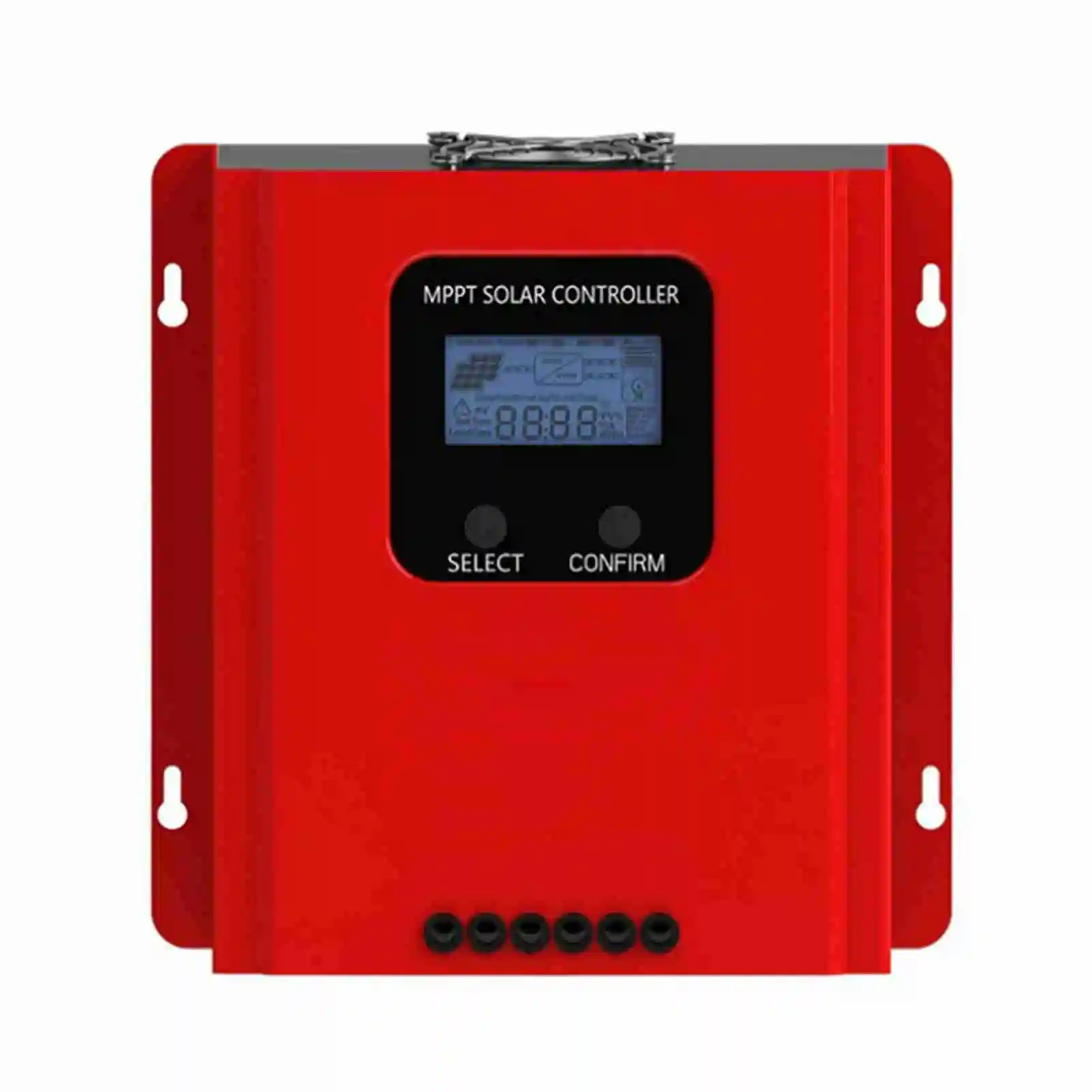
he MPPT Solar Charge Controller 60A sits right at the heart of a serious solar setup, quietly managing energy flow so your batteries last longer and perform better. Built for high efficiency with MPPT tracking that pushes above 99.5 percent, it makes the most of every bit of sunlight, even during cloudy mornings or late afternoons. With RS485 communication, an LCD display, and smart voltage detection, this controller gives you real visibility into your system. And for Aussie conditions, from scorching summer heat to cooler winter mornings, it holds steady and keeps your off grid or hybrid system running smoothly.
Solar panels rarely operate at their peak output all day. That’s where MPPT tracking comes in. Instead of wasting potential energy, this controller constantly adjusts to find the maximum power point. That means more usable energy stored in your battery bank, especially useful during variable sunlight conditions like coastal cloud cover or inland dust haze. Over time, that efficiency translates into better system performance and less reliance on backup power.
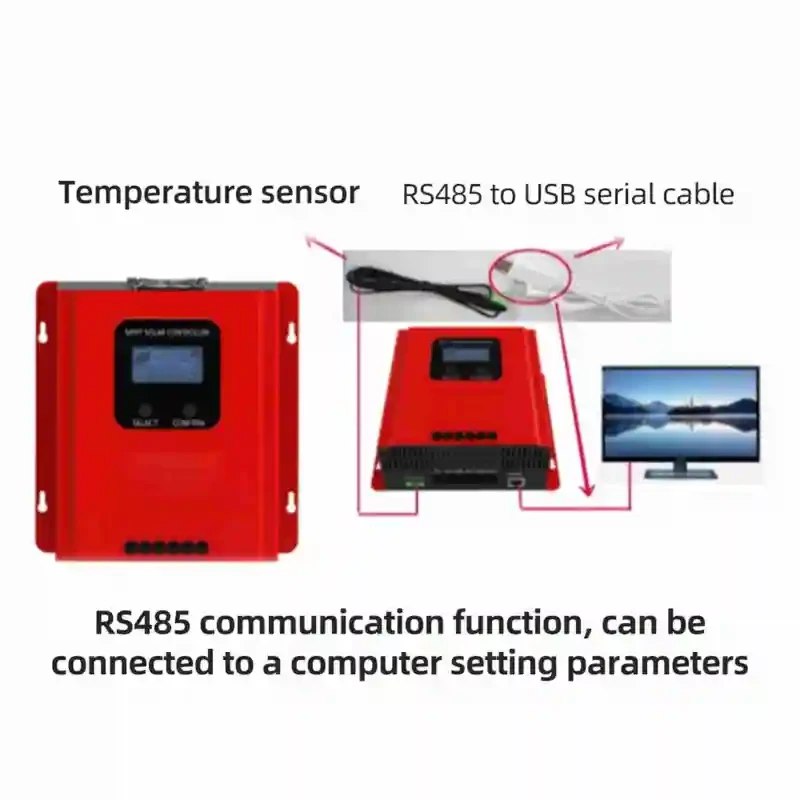
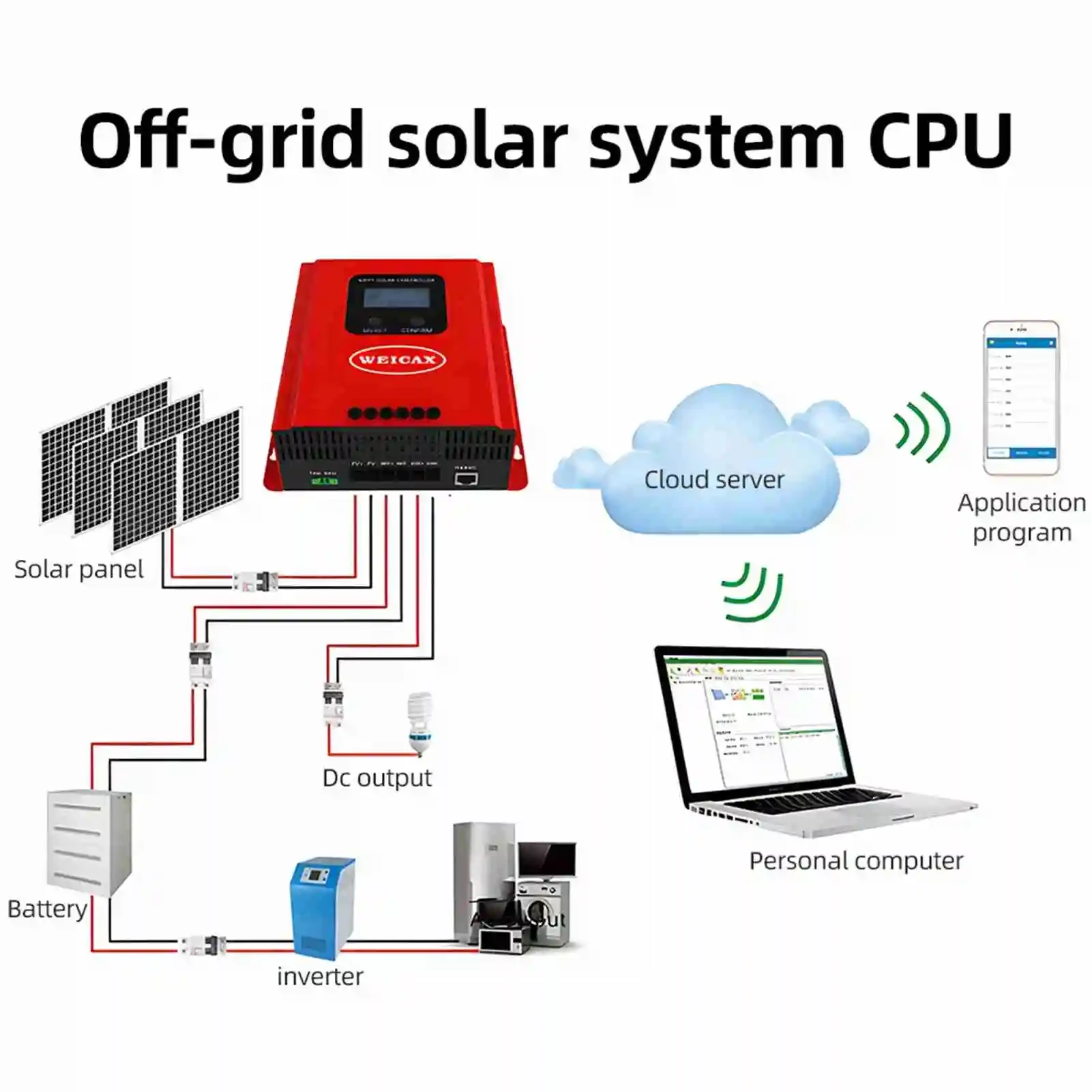
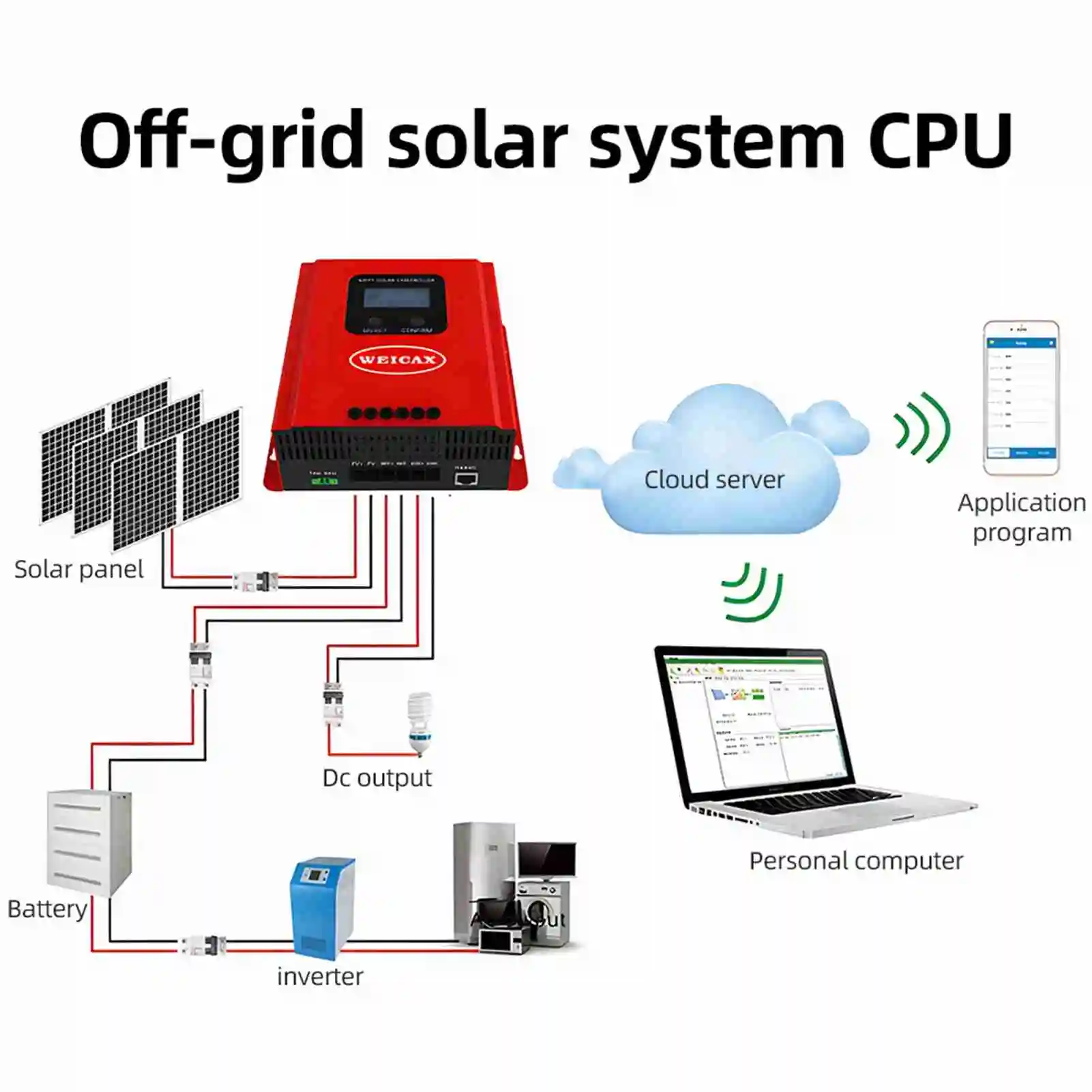
Modern solar setups demand visibility. With RS485 communication, you can connect this controller to monitoring software or expand it with a WiFi module. This allows remote access through apps or a computer interface, which is handy if your system is installed at a farm shed, caravan, or remote property. You’re not guessing anymore, you’re seeing real time voltage, current, and system behaviour.
Different systems use different battery types, and this unit handles sealed, gel, and flooded batteries without fuss. You can even tweak parameters for other battery chemistries if needed. That flexibility makes it suitable for everything from small off grid cabins to larger residential solar storage systems.
Charging isn’t just about pushing power into a battery. This controller uses three stage charging with constant current, constant voltage, and float charging. Each stage plays a role in preventing overcharging and maintaining battery health. Over months and years, this reduces wear and extends battery life, saving you real money.
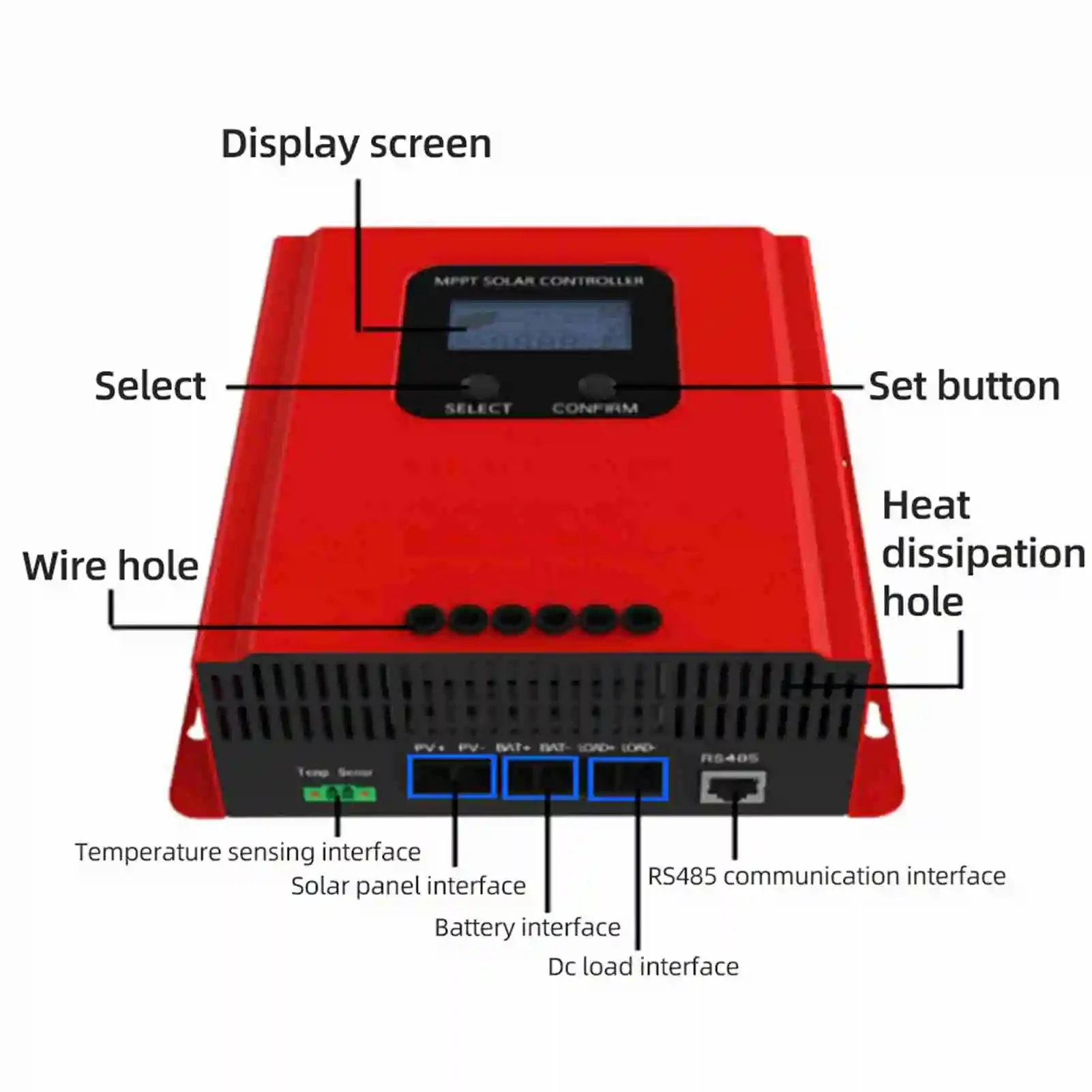
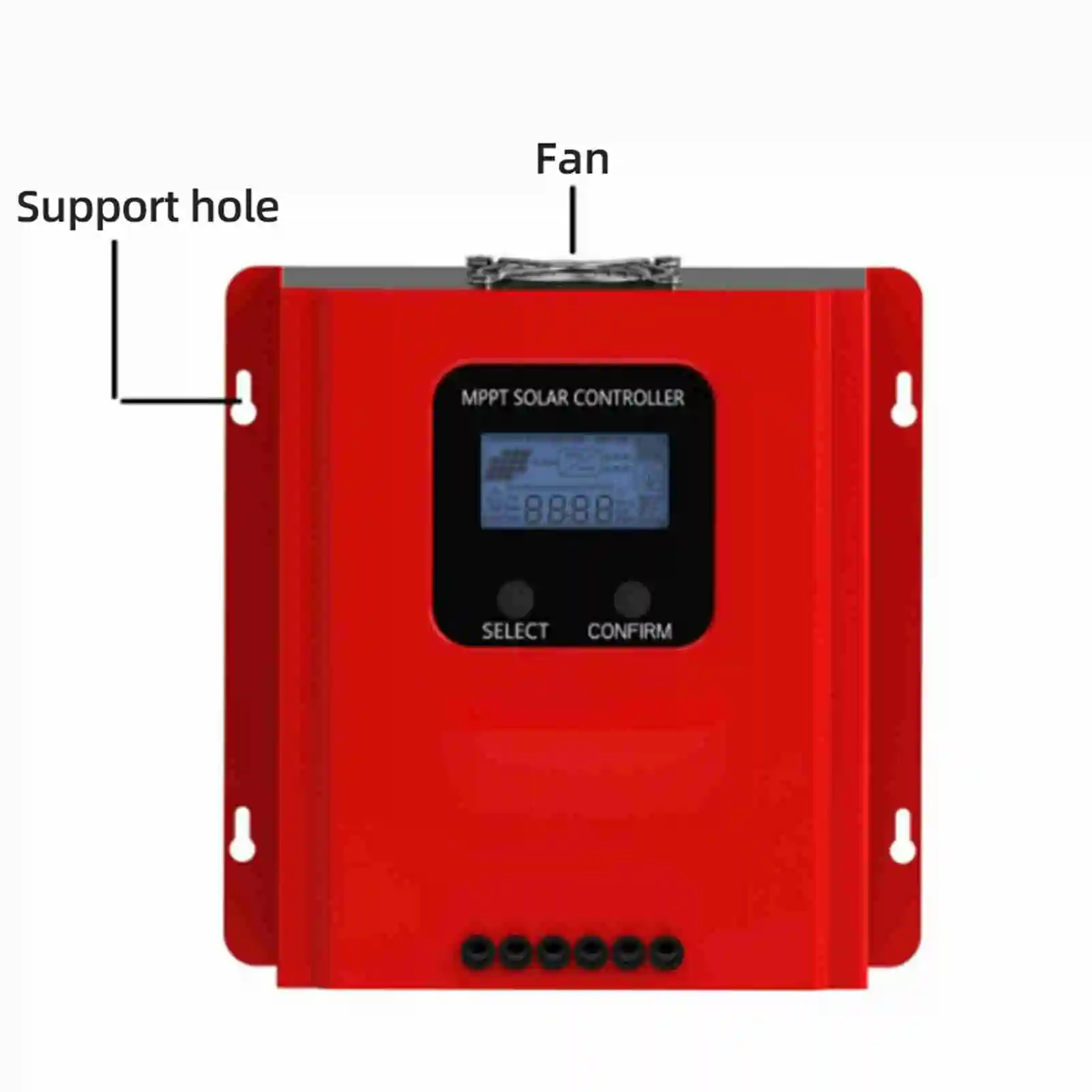
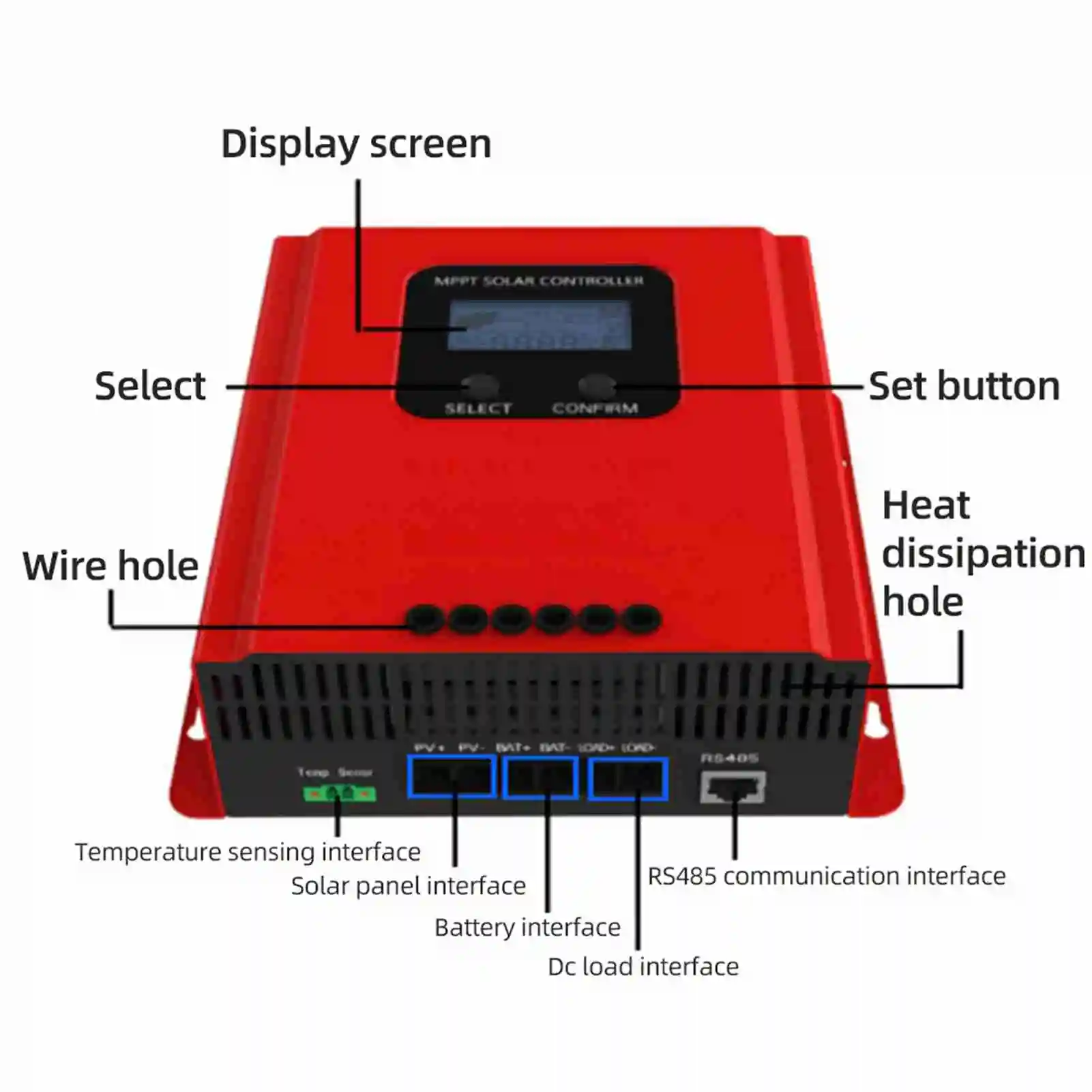
Safety is not an afterthought here. With protection against reverse polarity, overheating, overload, and low voltage conditions, your entire solar setup stays protected. The cooling fan and ventilation system help maintain stable operation even during hot Australian summers when temperatures can push past 40 degrees.
The LCD display gives you clear insights into system performance. You can check charging status, battery levels, and system alerts at a glance. Adjusting parameters is straightforward, so you don’t need to be an engineer to get it dialled in properly.
This controller fits a range of real world users. Caravan owners travelling across Australia will appreciate the ability to maintain battery charge while parked in remote locations. Farmers running water pumps, electric fencing, or remote sheds can rely on stable power management without constant supervision. Homeowners with rooftop solar systems looking to optimise battery storage will also find it a strong fit.
Weekend campers and off grid enthusiasts who want dependable energy during bush trips will find it especially handy. And if you’ve got a small solar setup powering lighting or tools in a backyard workshop, this controller keeps things efficient without complexity.
Inside the box you’ll find everything needed to get started:
Controller unit
Temperature sensing wire
Screwdriver
Instruction manual
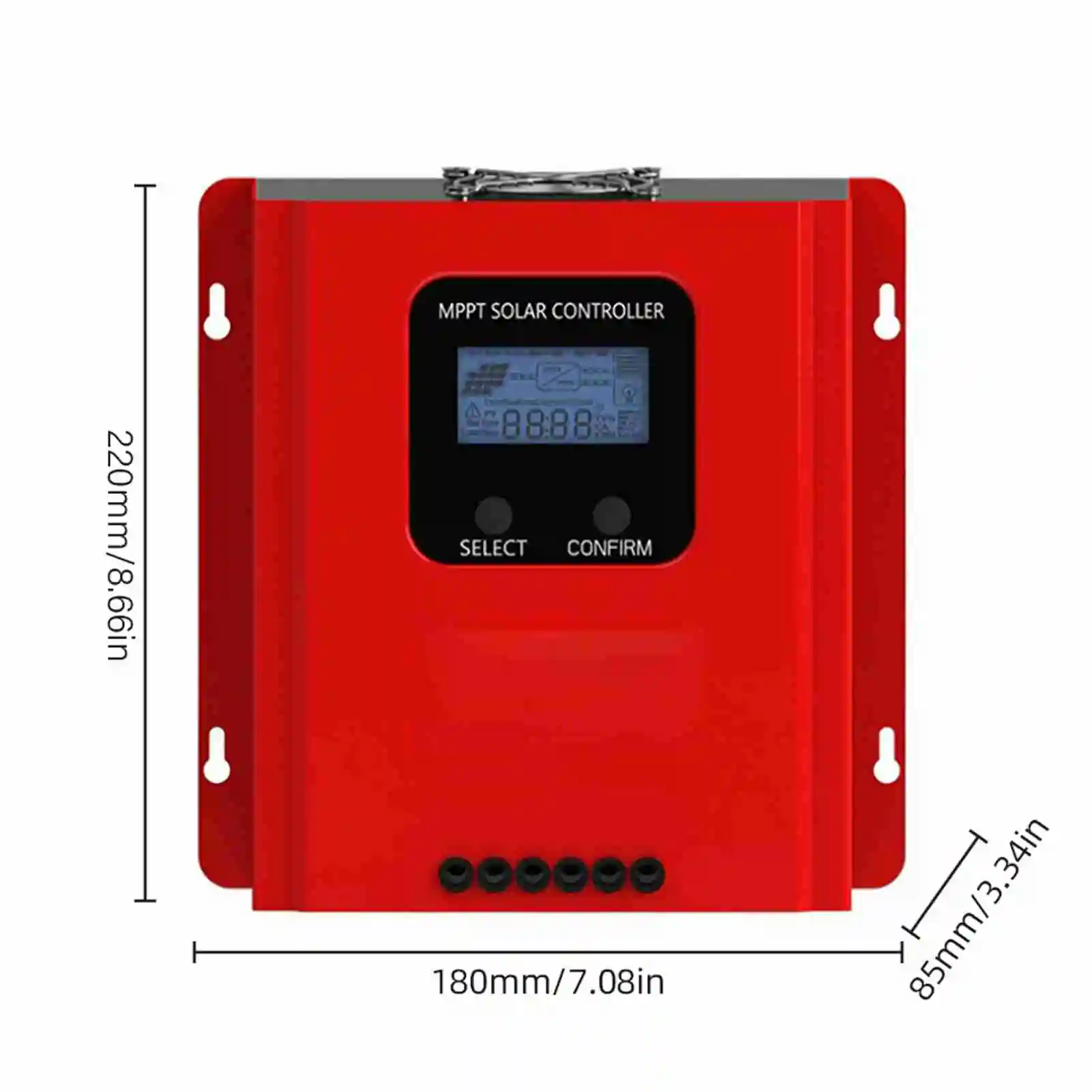
Key specifications include a 60A rated charging current, support for 12V, 24V, 36V, and 48V systems, and PV input up to 150V open circuit voltage. The unit features iron construction for durability, weighs 2.6kg, and operates between minus 20 to plus 50 degrees Celsius. It supports cable sizes up to 30mm² and includes advanced temperature compensation for accurate charging.
At GiftDeal Australia, we understand solar gear isn’t just another purchase, it’s part of a bigger system you rely on every day. Since 2020, we’ve helped Aussies find dependable tech that works in real conditions, not just on paper. Our range is curated with practical use in mind, whether it’s for off grid setups or home solar upgrades. You’ll get fast domestic shipping, straightforward support, and a hassle free experience from start to finish. And honestly, we only stock gear we’d be happy to run ourselves.
If you’re building out your solar setup, you might also want to check out our portable solar panels, deep cycle batteries, and inverter systems to complete the picture.
A solar charge controller needs to handle heat, electrical load, and environmental exposure over long periods. Look for units made with solid metal casings, such as iron or aluminium, which help with heat dissipation. Internal components like capacitors and circuit boards should be rated for high temperature operation, especially important in Australian summers. Ventilation design also plays a role, as airflow keeps internal temperatures stable. A well built controller won’t just survive harsh conditions, it will maintain consistent performance year after year without degradation.
Not all specs carry equal weight, so it’s worth knowing what actually matters. Charging current rating, such as 60A, determines how much energy your system can handle. Voltage compatibility across 12V to 48V systems gives flexibility for upgrades. MPPT efficiency above 99 percent indicates strong energy tracking capability. Input voltage limits, like 150V, define panel compatibility. Meanwhile, features like temperature compensation and load modes add practical value. Marketing claims can sound impressive, but real performance comes from balanced, reliable specifications.
Solar gear varies widely in price across Australia, but cheaper options often compromise on efficiency or safety features. Spending a bit more on a high quality controller like the MPPT Solar Charge Controller 60A means better energy conversion and longer battery life. Over time, that difference adds up in saved energy and reduced replacement costs. It’s not just about upfront spend, it’s about how well your system performs over years of use.
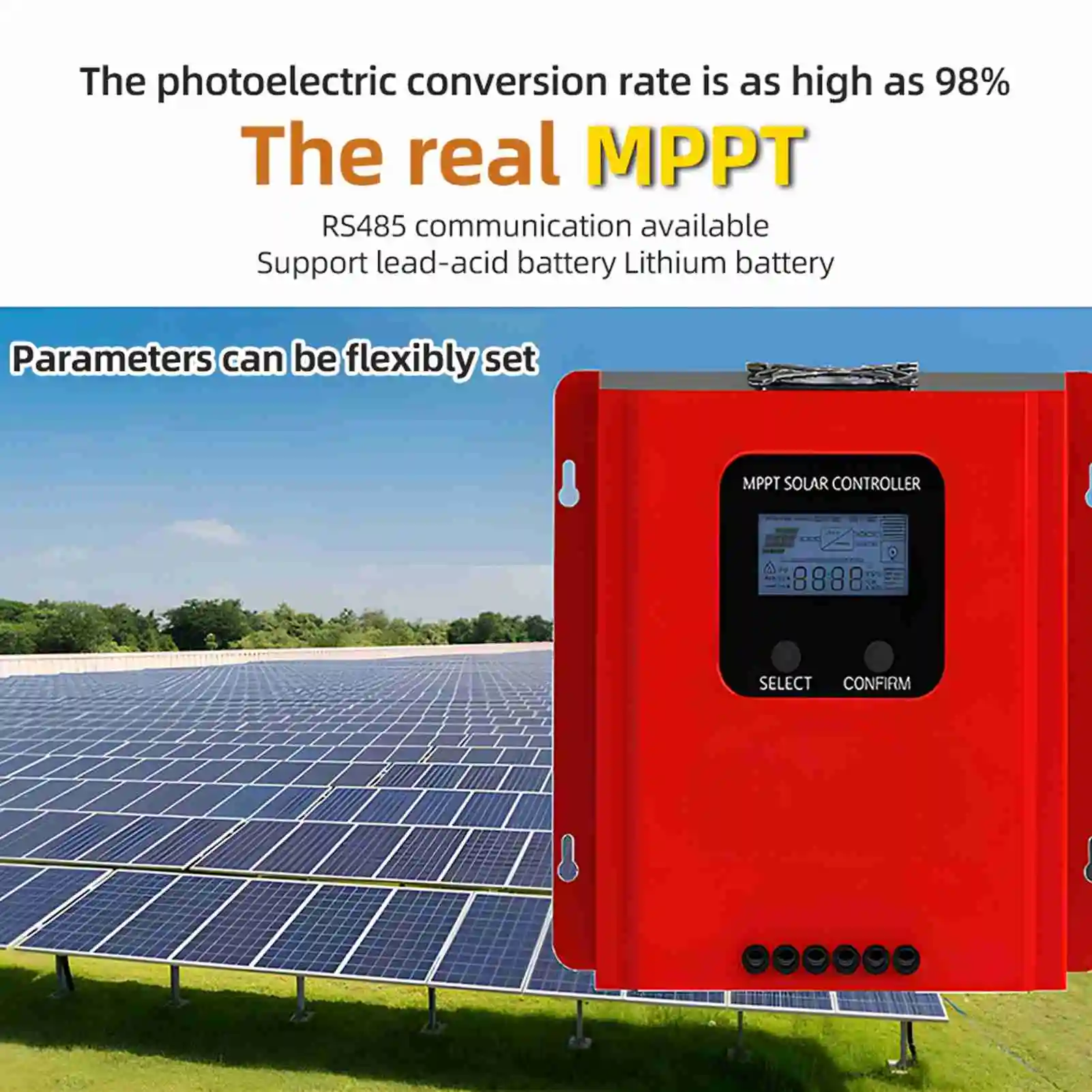
The MPPT Solar Charge Controller 60A stands out because it balances performance with usability. Its MPPT tracking ensures your solar panels operate at their peak output, which is especially useful during early mornings or late afternoons when sunlight is weaker. The RS485 communication adds a layer of control, allowing you to monitor system performance remotely. If you’re running a setup on a rural property, being able to check data without walking out to the shed is a real bonus.
Another strong feature is its compatibility with multiple battery types. Whether you’re using sealed, gel, or flooded batteries, the controller adapts without hassle. That flexibility matters if you plan to upgrade your battery bank later. The three stage charging system also plays a big role in maintaining battery health. Instead of pushing constant power, it adjusts based on battery condition, which helps avoid overcharging and extends lifespan.
Cooling is handled through a fan and ventilation system, which keeps performance stable during hot days. And the LCD display makes operation straightforward. You can see exactly what’s happening, which takes the guesswork out of managing your solar setup.
Compared to basic PWM controllers, this unit offers significantly higher efficiency and smarter energy management. While entry level options might be cheaper, they often waste potential solar output and lack monitoring features. The MPPT Solar Charge Controller 60A provides better energy harvesting, broader compatibility, and more advanced protection systems. It aligns closely with industry expectations for mid to high level solar installations, making it a reliable step up from generic alternatives.
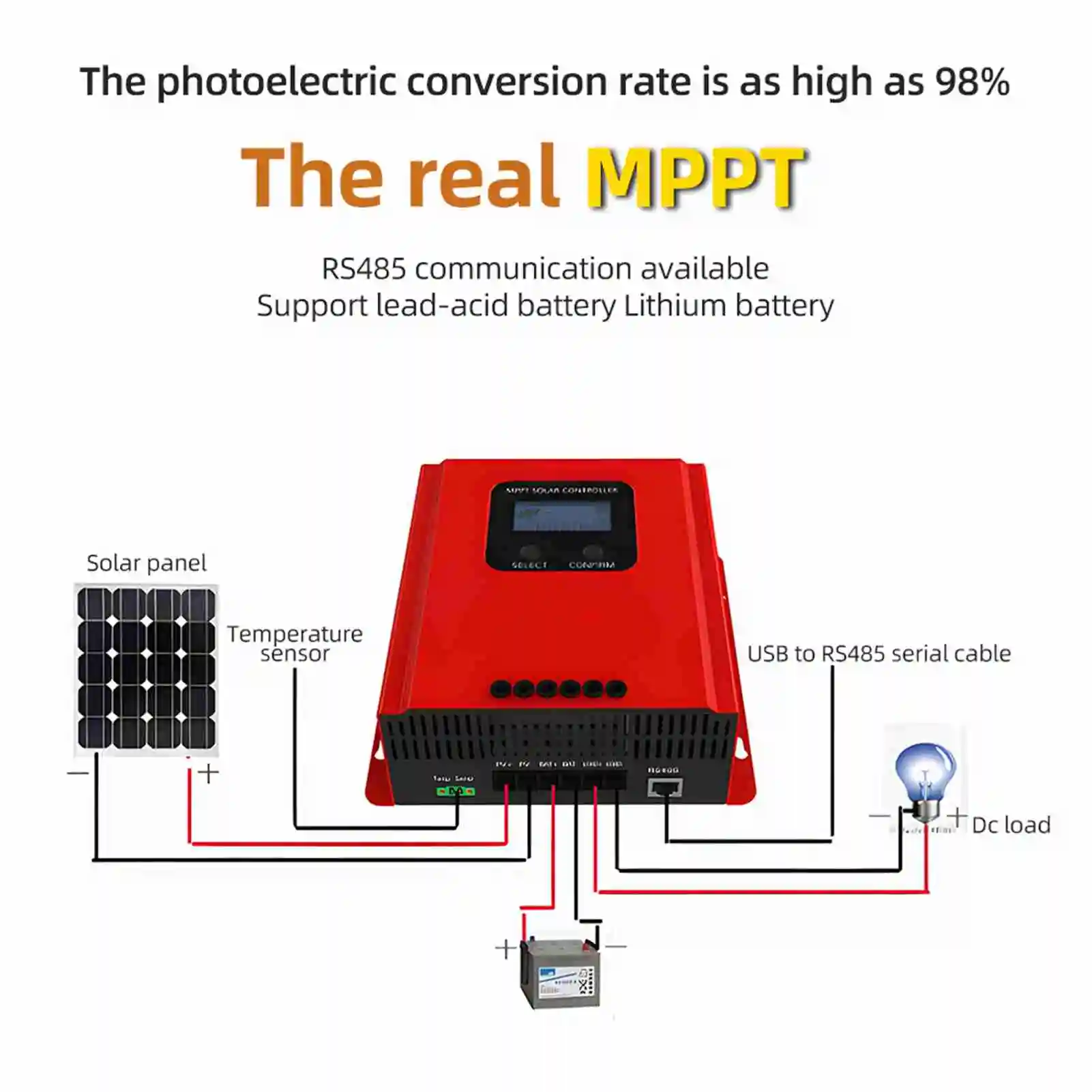
Getting started is fairly straightforward. Begin by connecting the battery first, ensuring correct polarity, then attach the solar panels. The controller will automatically detect system voltage and adjust settings accordingly. After that, connect your load if required. Use the LCD display to confirm readings and check that everything is operating within expected ranges. It’s a good idea to review the instruction manual during setup to fine tune parameters for your specific battery type.
Regular checks help maintain performance. Keep the unit clean and ensure ventilation openings are free from dust. If you’re using it in a shed or enclosed space, allow enough airflow around the controller. Monitoring data through RS485 or app integration can give insights into system performance, helping you spot issues early. From what we’ve seen, users who keep an eye on voltage trends tend to get better long term results.
This controller suits a wide range of users across Australia. Caravan travellers exploring the coast will appreciate stable charging while parked off grid. Farmers managing irrigation systems or remote equipment benefit from consistent energy control without constant oversight. Homeowners investing in solar storage systems can rely on efficient charging to maximise battery performance.
Weekend campers heading into national parks will find it useful for powering lights and small appliances. Backyard hobbyists running tools or lighting setups also benefit from its flexibility. And if you’re someone building a solar system from scratch, this unit gives you a strong foundation. Ever tried running a setup that just doesn’t hold charge properly? That’s where a solid controller makes all the difference.
GiftDeal Australia has been operating since 2020, and we’ve built a reputation for offering gear that actually performs in local conditions. Our focus is on reliability and practical value, especially for products like solar controllers where performance matters daily. We stock a wide range, from entry level to advanced systems, so you can find what fits your setup. Support is real and accessible, not automated replies. And with fast domestic shipping across Australia, you won’t be waiting weeks to get your system up and running.
Q: Does this MPPT Solar Charge Controller 60A work with lithium batteries?
A: Yes, it can be configured for lithium battery systems with manual parameter adjustment. You will need to set charging voltage and
protection limits correctly. Many users pair it with LiFePO4 batteries for stable performance. Always double check battery specifications
before setup.
Q: How noisy is the cooling fan during operation?
A: The fan operates at a low noise level, typically under 40dB during normal use. It only ramps up when internal temperatures rise. In most
setups, especially outdoors or in a shed, it is barely noticeable. Placement can further reduce perceived noise.
Q: Can I monitor this controller remotely?
A: Yes, the RS485 port allows connection to monitoring systems and optional WiFi modules. This lets you view data through apps or computer
software. Remote monitoring is useful for off grid properties. It gives real time insight into system performance.
Q: Is it suitable for Australian summer conditions?
A: The unit operates reliably between minus 20 and plus 50 degrees Celsius. Built in cooling and ventilation help manage heat. Many users
run it in sheds or outdoor enclosures. Just ensure adequate airflow around the unit.
Q: What size solar panel system can it handle?
A: The controller supports up to 3120W depending on system voltage. Higher voltage systems allow more power handling. Matching panel
configuration to voltage is important. This ensures optimal energy conversion and safe operation.
Q: Does it protect against incorrect wiring?
A: Yes, it includes reverse polarity protection and other safety features. These safeguards prevent damage from common installation
mistakes. It also protects against overload and overheating. That adds peace of mind during setup and use.
Q: How do I maintain the controller over time?
A: Maintenance is simple and mostly involves keeping it clean and ventilated. Dust buildup can affect cooling performance, so occasional
cleaning helps. Check connections periodically to ensure they remain secure. Monitoring system data also helps identify issues early.
Q: What makes MPPT better than PWM controllers?
A: MPPT controllers track the maximum power point of solar panels for better efficiency. This means more energy is captured and stored. PWM
controllers are simpler but less efficient in varying sunlight. For larger systems, MPPT offers clear advantages.
We deliver your orders quickly, safely, and securely. Most orders arrive within 7–21 working days. Local deliveries may arrive sooner.
Delivery times may vary based on location, order volume, and courier schedules. Some rural areas may take longer.
If your order hasn't arrived within the estimated timeframe, please contact us: contact@giftdeal.com.au
No FAQs available for this product yet.
Buyer guide not available for this product.