.webp)
Standard delivery charges apply.
Secure handling guaranteed.
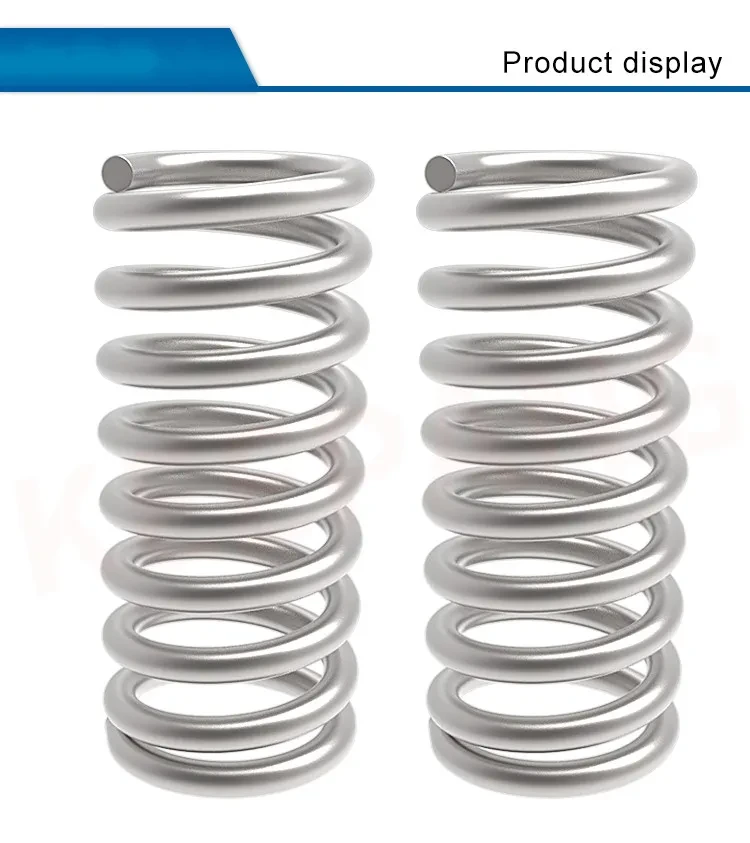
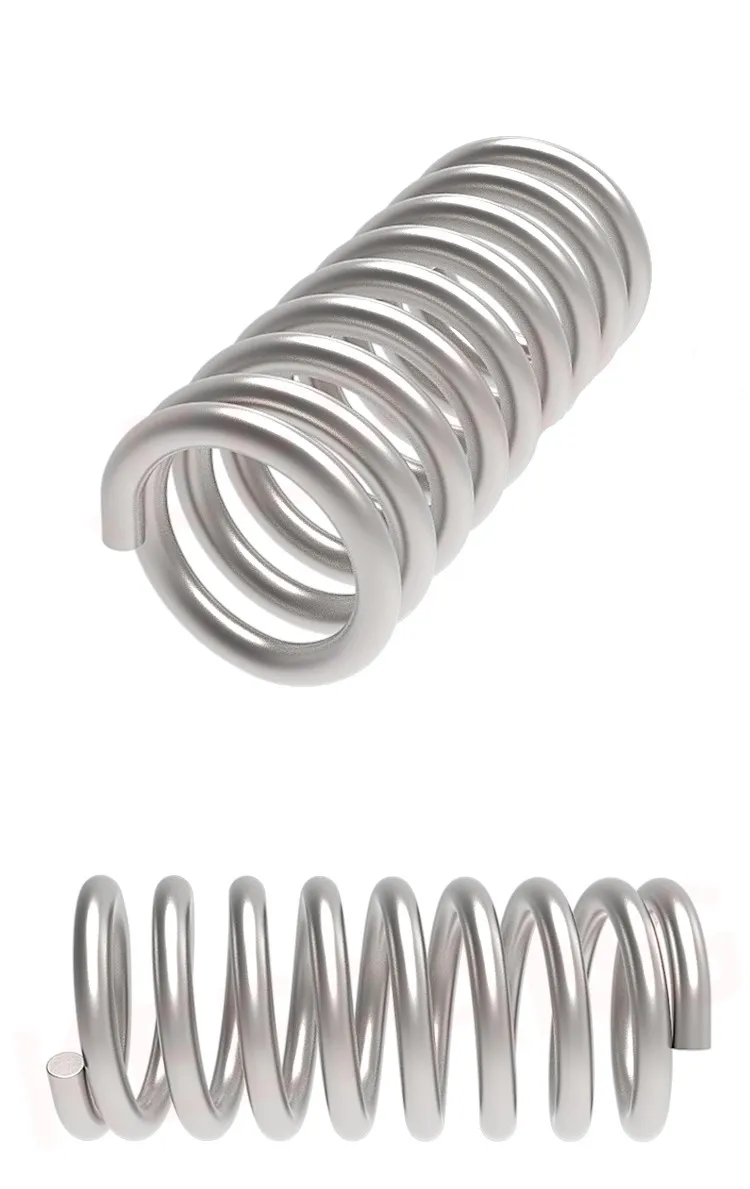
The Nickel-Plated Extruder Spring for 3D Printer plays a quiet but critical role in keeping filament feed consistent, especially during long printing sessions where tension stability directly impacts print quality. Built from 45 carbon steel with nickel-plated surface treatment, this small component helps maintain steady extruder pressure so filament moves smoothly through the hotend and nozzle system. The Nickel-Plated Extruder Spring for 3D Printer is designed for users who rely on precision printing, whether for prototyping, hobby modelling, or mechanical parts production using machines like Creality Ender series or Prusa style extruder assemblies. It delivers excellent elasticity and fatigue resistance, meaning it keeps its shape even after repeated compression cycles. In Australian workshops where heat, dust, and extended printing hours are common, this spring supports consistent extrusion without slipping or under feeding issues. And once installed, it quietly improves reliability without needing constant attention.
Made from 45 carbon steel, the spring maintains strong elasticity even after long compression cycles inside extruder assemblies. This matters when printing large models that run for hours, where inconsistent pressure can cause layer shifting or filament skipping. In desktop 3D printers used in Australian maker spaces or home workshops, stable spring force ensures smooth filament feeding. It also reduces the chance of extrusion gaps, especially during detailed prints like miniatures or functional parts.
The nickel plated surface treatment improves corrosion resistance, which is important in environments where humidity fluctuates, such as coastal Australian cities. This protective layer helps prevent oxidation that can weaken spring performance over time. For users storing printers in garages or shared workspaces, this means longer lasting mechanical reliability. It also helps maintain surface hardness, ensuring the spring continues performing smoothly even after extended use.
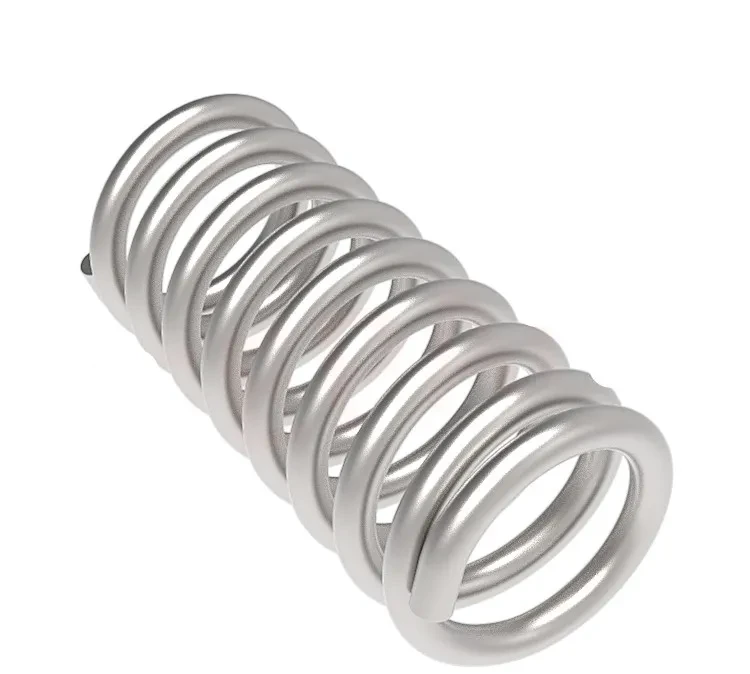
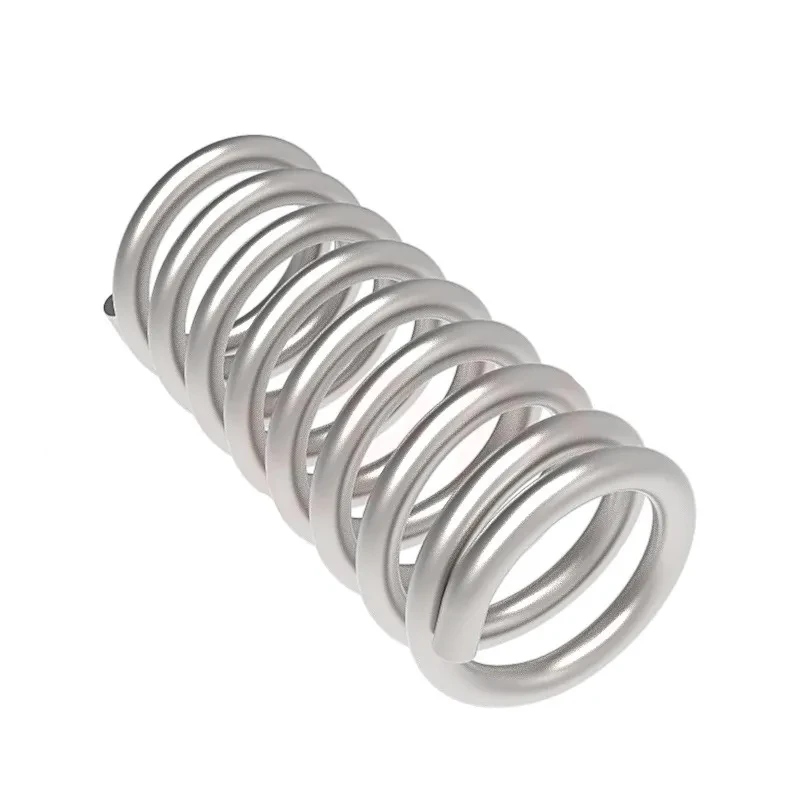
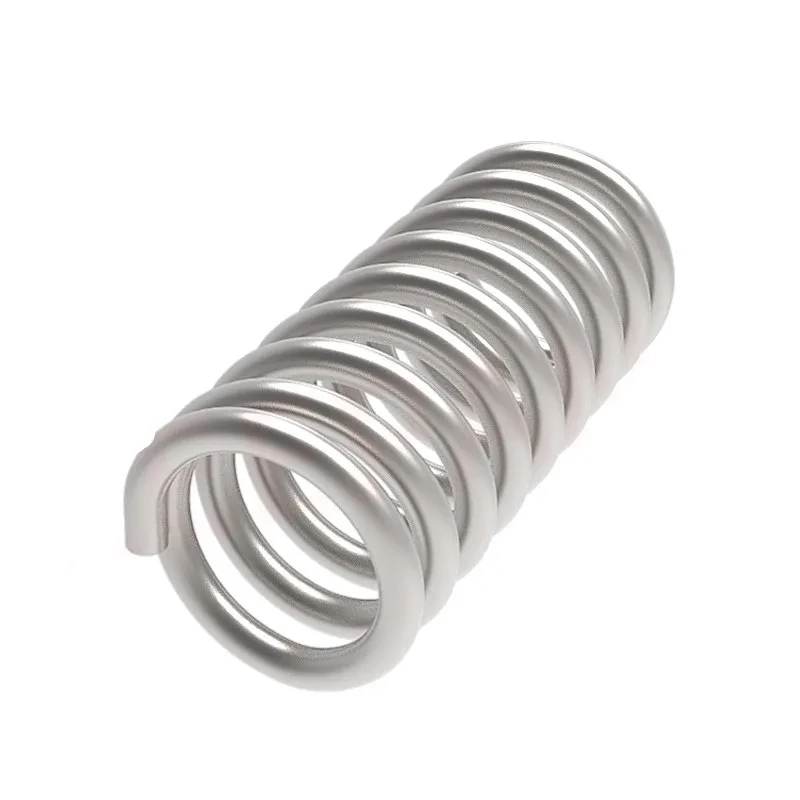
With a 20mm height and carefully engineered coil spacing, the spring is designed to fit standard extruder support systems. This ensures proper tension alignment within feeder mechanisms found in many consumer grade 3D printers. Whether you are upgrading an Ender style printer or maintaining a workshop machine, the sizing helps maintain consistent filament pressure. It reduces guesswork during installation and supports stable mechanical performance.
The tightly wound 9 coil structure improves fatigue resistance, allowing the spring to maintain its force over thousands of compression cycles. This is particularly useful during continuous printing jobs such as architectural models or engineering prototypes. In real world use, it means fewer recalibrations and less downtime. It holds tension reliably even when printers run overnight, which is common in Australian hobbyist and small business setups.
This spring supports the extruder mechanism by maintaining consistent pressure between drive gear and filament path. That pressure stability ensures filament does not slip or grind during extrusion. In practical terms, it improves print accuracy and surface finish quality. Makers working with PLA, PETG, or ABS materials will notice smoother feeding performance across different print speeds and temperatures.
The compact 7mm outer diameter and 5mm inner diameter make it compatible with standard extruder housings. It slots into place without modification, making upgrades straightforward even for beginners. This is especially useful for users assembling or repairing printers at home. It integrates cleanly with existing mechanical components like tension arms and feeder brackets.
Designed for repeated mechanical stress, the spring maintains structural integrity even under frequent compression and release cycles. This
is essential in 3D printing where extrusion force changes dynamically during prints. From what we have seen in maker environments, this
consistency reduces print errors caused by fluctuating filament pressure. It is a simple part, but it plays a major role in long term
printer stability.
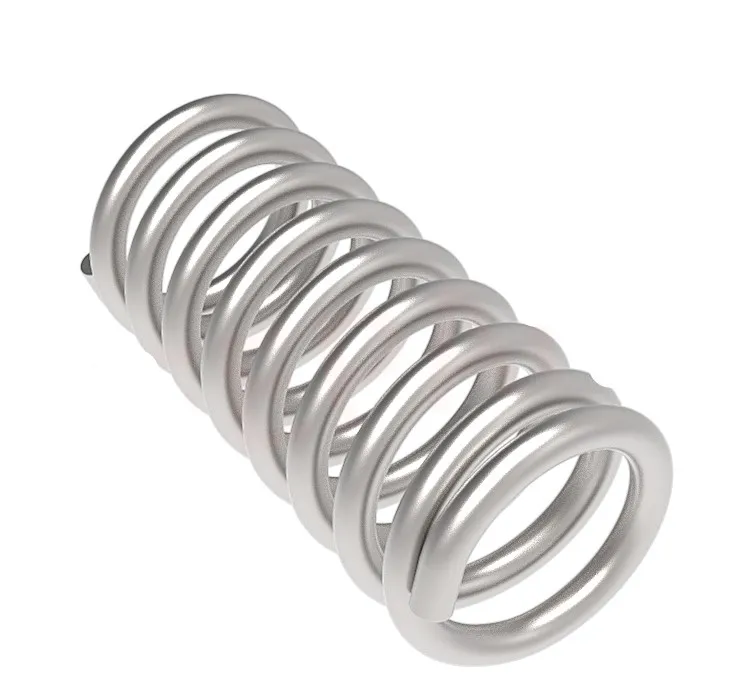
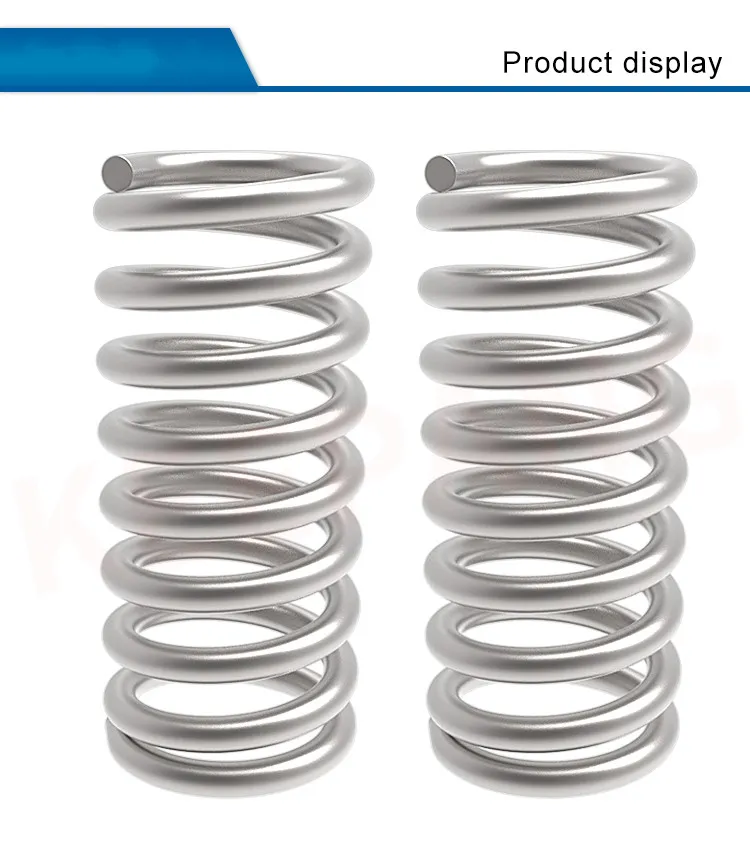
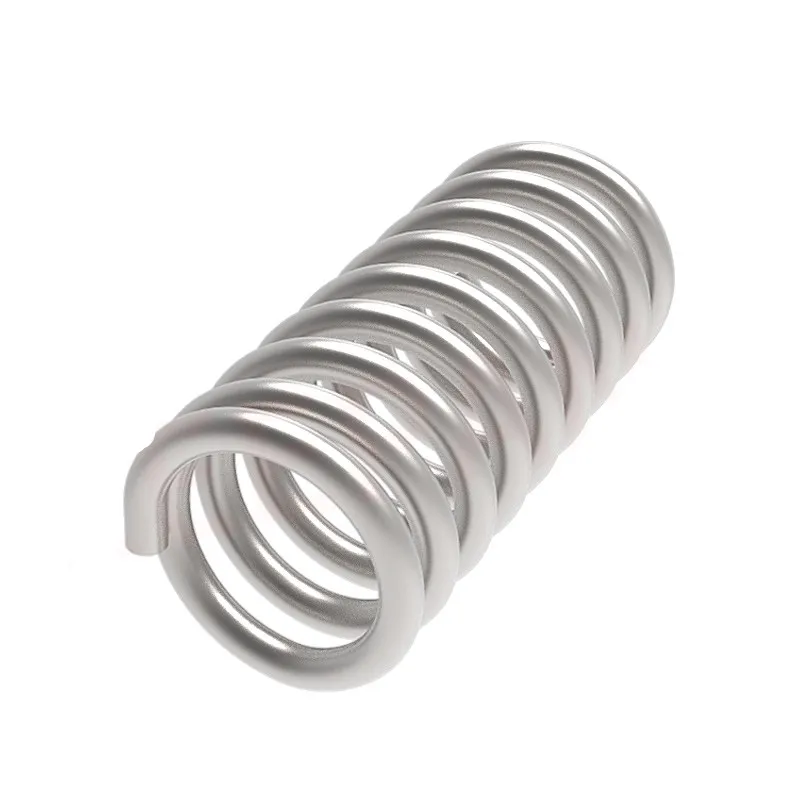
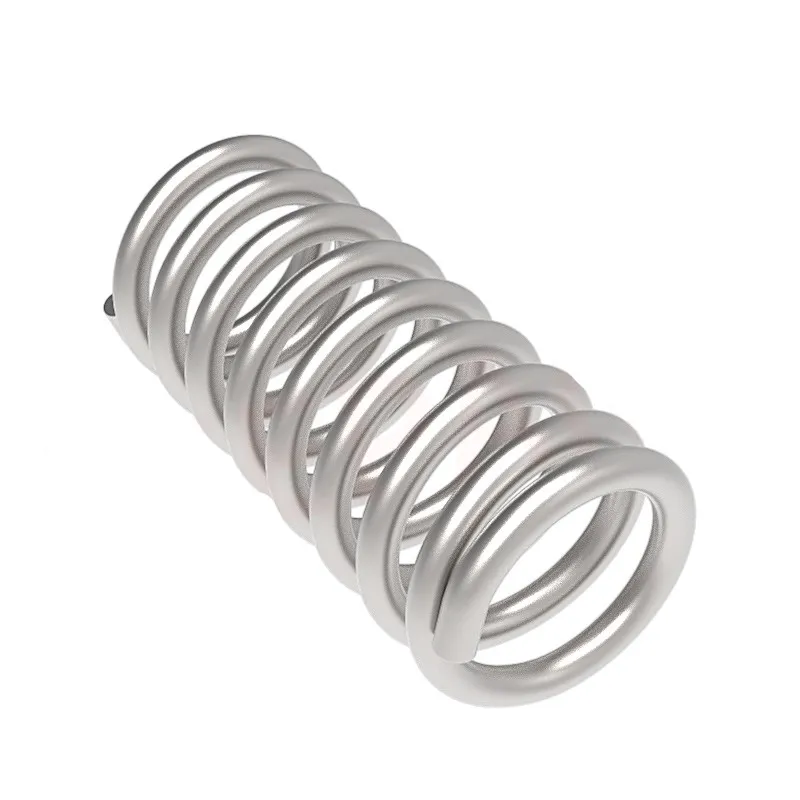
Choosing the right extruder spring is more important than most beginners realise, especially in FDM printing where filament flow consistency determines final output quality. The Nickel-Plated Extruder Spring for 3D Printer represents the kind of component that directly influences extrusion pressure stability, so selecting a well engineered option matters. You want a spring that maintains consistent tension without deforming over time. In Australian home workshops where printers often run for long sessions during weekends or school holidays, reliability becomes essential. A poor quality spring can lead to under extrusion, inconsistent layers, and wasted filament, so material quality and coil precision should always be prioritised.
Build quality in extruder springs is mainly defined by the type of steel used and the surface treatment applied. 45 carbon steel is widely regarded as a strong base material because it offers excellent elasticity and fatigue resistance compared to softer alloys. The Nickel-Plated Extruder Spring for 3D Printer also benefits from nickel plating, which adds corrosion resistance and improves surface hardness. This is particularly useful in environments where humidity or temperature fluctuations occur, such as coastal Australian cities or garage based workshops. A well made spring should maintain its shape even after repeated compression cycles inside extruder assemblies like direct drive or Bowden systems.
Important specifications include outer diameter, inner diameter, wire thickness, height, and coil count. These measurements determine whether the spring fits correctly inside the extruder mechanism and delivers appropriate tension force. The Nickel-Plated Extruder Spring for 3D Printer uses a 20mm height and 7mm outer diameter, which suits many common desktop printer extruders. Coil consistency is also critical, as uneven spacing can lead to irregular force distribution. Many buyers focus on branding or packaging, but mechanical precision is what actually affects print quality in systems like Creality style hotends or Prusa compatible feeders.
In the Australian 3D printing market, pricing varies depending on material quality and manufacturing precision. Cheaper springs may appear similar but often lose tension faster, which leads to inconsistent extrusion over time. Investing in a properly engineered component like the Nickel-Plated Extruder Spring for 3D Printer ensures better long term stability and reduces maintenance interruptions. For hobbyists and small businesses producing prototypes or custom parts, consistent output is more valuable than saving a few dollars upfront. It is fair to say that better materials translate directly into smoother printing experiences.
One of the most important features is its high elasticity 45 carbon steel core, which ensures steady extrusion pressure even during long print jobs. Another standout feature is the nickel plated surface, which protects against corrosion and wear, especially useful in humid Australian environments. The compact 20mm structure allows easy integration into standard extruder systems without modification. And if you're running overnight prints for prototypes or architectural models, this stability helps reduce failed prints caused by filament slipping. Honestly, the build quality surprised me for such a small component, it just feels properly engineered for its purpose.
Compared to generic springs made from low grade steel, this component offers superior fatigue resistance and more consistent compression force. Many entry level alternatives lose elasticity quickly, which affects extrusion accuracy in FDM printers. The Nickel-Plated Extruder Spring for 3D Printer aligns better with industry expectations for stable filament feed systems used in modern desktop printers. It performs closer to OEM grade components found in higher end machines, making it a reliable upgrade for users wanting improved print consistency.
Begin by powering down your printer and safely accessing the extruder assembly. Remove the existing spring carefully and note its orientation inside the tension mechanism. Install the new spring in the same position, ensuring it sits evenly between pressure points. Once installed, manually test filament tension by feeding material through the extruder gear. This helps confirm proper alignment before starting a print job. Many users pair this step with nozzle cleaning or Bowden tube checks for optimal setup.
Keep the extruder assembly clean to prevent dust buildup that can affect spring movement. Light lubrication of surrounding mechanical parts like feeder arms can help maintain smooth operation over time. Avoid over tightening the extruder tension screw, as balanced pressure is key to consistent filament flow. During extended printing sessions, especially in warmer Australian climates, check extrusion performance periodically. Storing spare springs in a dry container also helps preserve material integrity.
This component is ideal for 3D printing enthusiasts working on detailed prototypes, engineering models, or hobby projects requiring consistent extrusion quality. It suits makers using printers like Ender style machines, Prusa compatible systems, or custom Bowden setups. Small business operators producing functional parts will benefit from improved reliability during long production runs. It is also useful for educators running STEM workshops where printers are used frequently across school terms. In Australian garages, studios, and maker spaces, this spring fits naturally into everyday printing workflows.
GiftDeal Australia has been operating since 2020 with a focus on practical tools and components that support real world making and fabrication. Our range is carefully selected so customers can find reliable parts without sorting through unreliable listings. We prioritise fast domestic shipping across Australia, making it easier for makers to keep projects moving without long delays. Customer support is handled locally, so you get real assistance when needed. It is about consistency, availability, and providing components that actually work in everyday printing setups.
Q: What printers are compatible with the Nickel-Plated Extruder Spring for 3D Printer?
A: It fits most FDM printers using standard extruder assemblies like Bowden or direct drive systems. Common compatibility includes Creality
Ender series and Prusa style feeder mechanisms. The 20mm height and standard diameter allow easy integration without modification. It works
well with PLA, PETG, and ABS filament setups.
Q: How does the nickel plating improve performance in this spring?
A: The nickel coating improves corrosion resistance and surface hardness over time. This helps maintain mechanical stability in humid or
variable Australian climates. It also reduces wear during repeated compression cycles inside extruder systems. Many users notice longer
lasting consistency in filament feeding performance.
Q: Can the Nickel-Plated Extruder Spring for 3D Printer improve print quality?
A: Yes, stable extrusion pressure directly improves layer consistency and surface finish. It reduces filament slipping and under extrusion
during long print jobs. This is especially useful for detailed prototypes and functional mechanical parts. It supports smoother feeding in
both high speed and standard prints.
Q: Is installation of the Nickel-Plated Extruder Spring for 3D Printer difficult?
A: Installation is straightforward and requires basic access to the extruder assembly. You simply replace the existing spring with the same
orientation. No special tools are needed beyond standard printer maintenance equipment. It is commonly installed during routine printer
upgrades or servicing.
Q: What makes 45 carbon steel better for extruder springs?
A: 45 carbon steel offers strong elasticity and excellent fatigue resistance. It maintains consistent compression force even after repeated
mechanical cycles. This makes it suitable for continuous 3D printing environments. It performs better than softer steel alloys in long term
use.
Q: How often should I replace my extruder spring?
A: Replacement depends on printing frequency and workload intensity. High usage environments like workshops may require more frequent
checks. If extrusion becomes inconsistent, replacing the spring can restore stability. Many users upgrade during routine maintenance of
extruder assemblies.
Q: Does this spring work with direct drive and Bowden setups?
A: Yes, it is compatible with both extruder system types. Direct drive systems benefit from precise tension control during filament feeding.
Bowden setups also gain improved pressure stability across longer tube paths. It integrates well with most modern desktop 3D printer
designs.
Q: What maintenance does the Nickel-Plated Extruder Spring for 3D Printer require?
A: Minimal maintenance is required due to corrosion resistant nickel plating. Occasional cleaning of surrounding extruder components helps
maintain performance. Keeping the assembly free from dust ensures smooth mechanical movement. It is commonly maintained alongside nozzle
and feeder gear cleaning routines.
We deliver your orders quickly, safely, and securely. Most orders arrive within 7–21 working days. Local deliveries may arrive sooner.
Delivery times may vary based on location, order volume, and courier schedules. Some rural areas may take longer.
If your order hasn't arrived within the estimated timeframe, please contact us: contact@giftdeal.com.au
No FAQs available for this product yet.
Buyer guide not available for this product.