.webp)
Standard delivery charges apply.
Secure handling guaranteed.
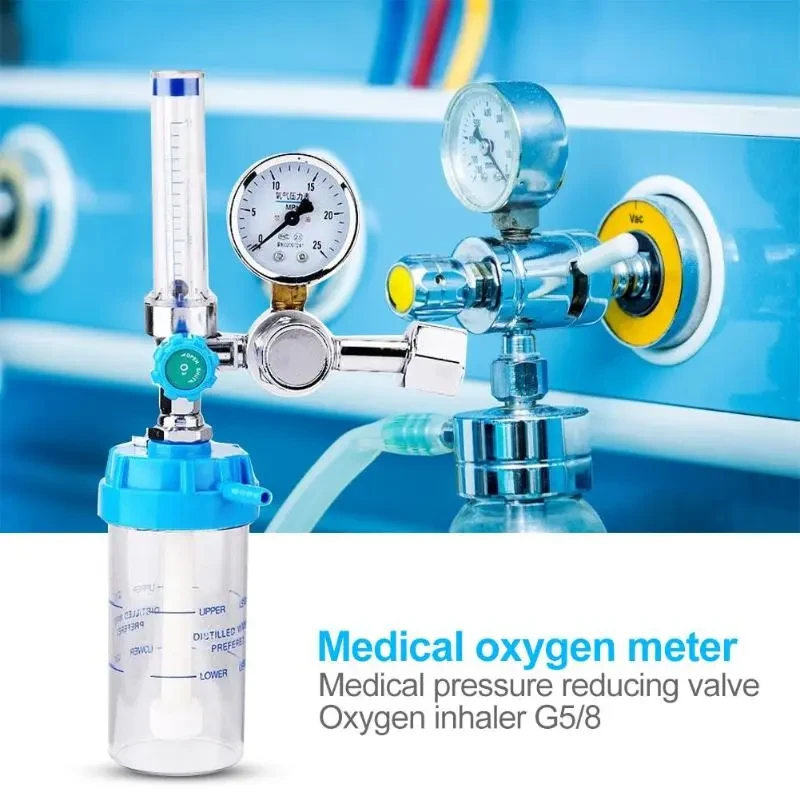
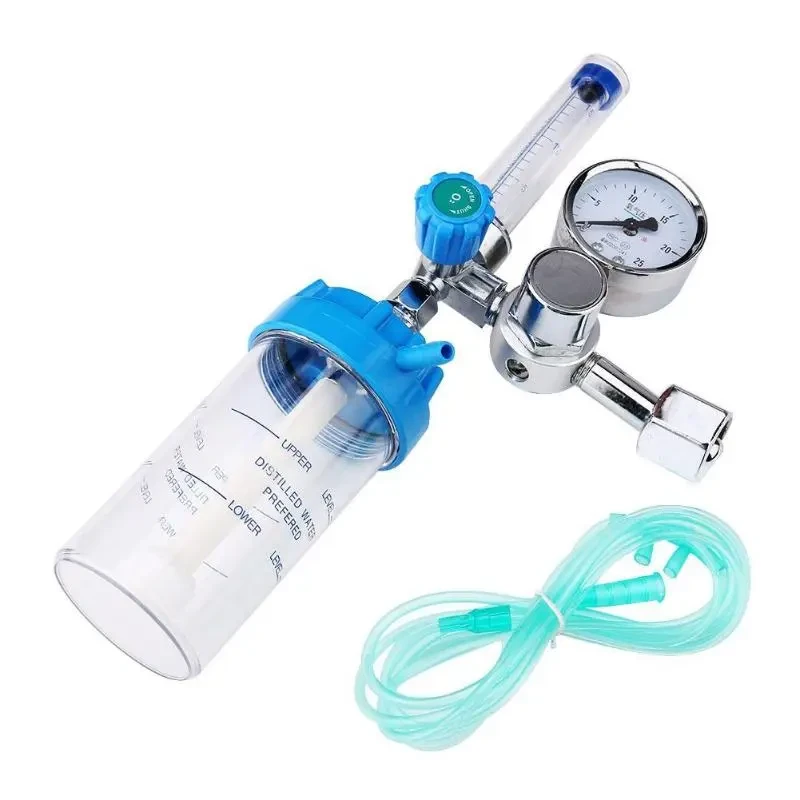
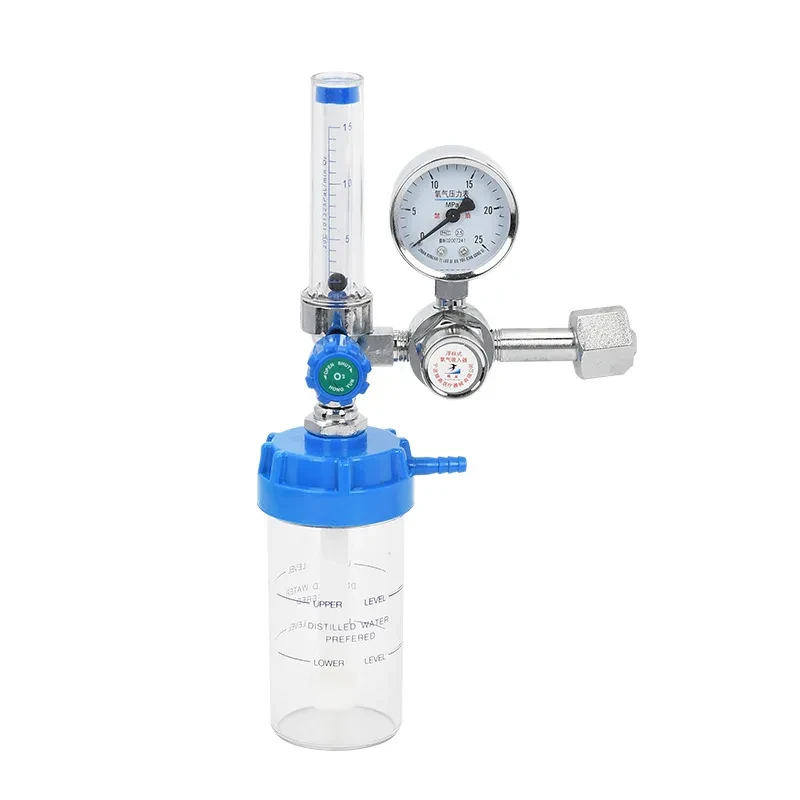
Oxygen Pressure Regulator gives you steady, controlled oxygen flow where accuracy matters most, whether you're managing workshop oxygen output, handling gas control tasks, or setting up a dependable oxygen delivery point for industrial use. Built with a durable zinc alloy valve body, a clear pressure gauge, and an integrated inhaler fitting, this unit helps regulate outlet pressure with reliable consistency and straightforward control. It is made for oxygen specific use, with a rated outlet pressure of 0.25 MPa and a broad rated flow range from 1 to 110 m3 per hour. That makes it a practical fit for users who need precise gas pressure reduction, stable monitoring, and dependable valve performance in one compact assembly.
Material quality matters a lot with gas control gear, especially when oxygen pressure and flow stability are involved. This regulator uses a zinc alloy valve body that offers solid durability, dependable structural strength, and reliable resistance to everyday wear in active work environments. Zinc alloy is well suited to pressure handling because it stays stable under repeated use and offers a firm seal around critical valve components. In workshops, maintenance bays, and technical setups where oxygen control needs to stay consistent, that added stability makes a noticeable difference.
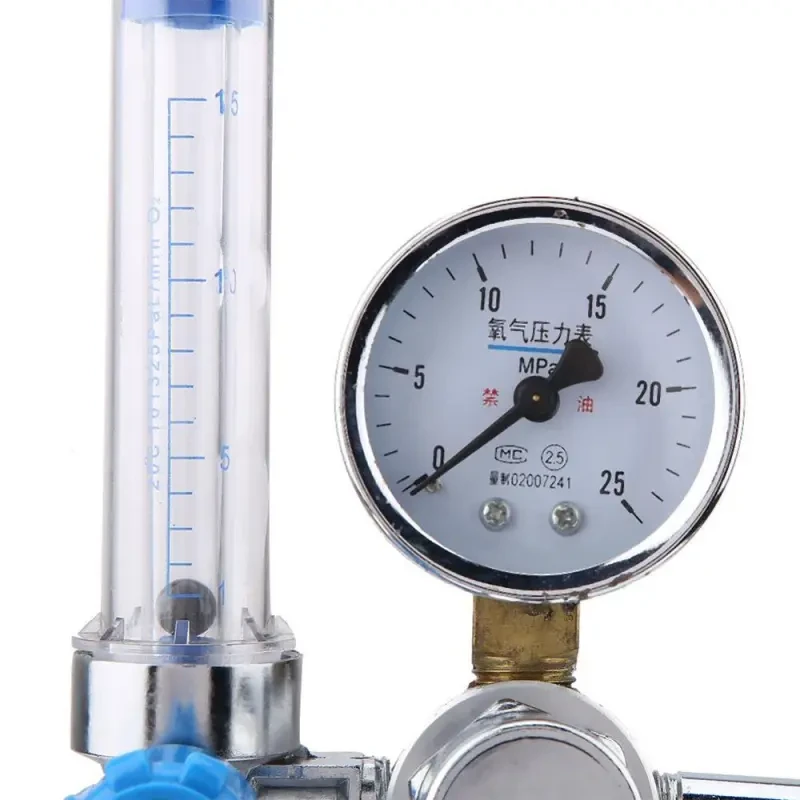
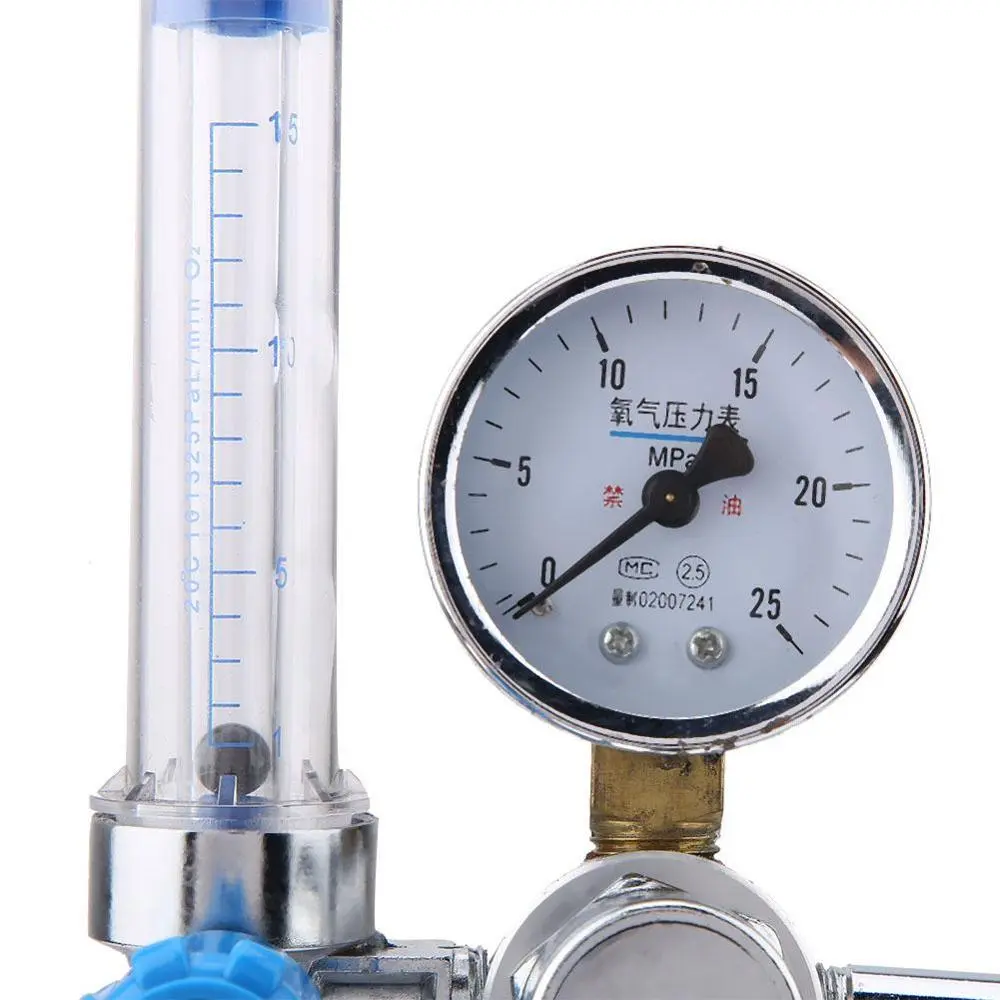
A readable gauge is one of the most useful parts of any oxygen regulator because it gives you instant visual feedback during operation. This unit includes a clear pressure gauge that allows quick monitoring of oxygen output, making it easier to check flow consistency and confirm stable pressure during use. In practical settings, that means fewer interruptions, faster adjustments, and better control over gas delivery. Whether you are checking output mid task or fine tuning flow at setup, clear readings save time and reduce guesswork.
With a rated outlet pressure of 0.25 MPa, this regulator is built to maintain controlled and consistent downstream oxygen pressure across a wide range of operating conditions. Stable pressure output matters because fluctuations can affect equipment performance, gas efficiency, and overall control. A reliable pressure reducer helps smooth out those variations and keeps oxygen delivery more consistent from source to endpoint. That makes this unit especially useful in technical environments where stable output is more important than quick adjustments alone.
A rated flow range of 1 to 110 m3 per hour gives this regulator useful flexibility across different oxygen handling requirements. Lower flow settings support more controlled delivery, while higher output allows broader operational use where stronger oxygen throughput is needed. That range gives users more room to adapt the regulator to different tasks without needing separate flow control gear for every setup. From controlled line delivery to higher volume oxygen use, it gives you practical operating range without overcomplicating the setup.
This unit is made specifically for oxygen use, which matters because oxygen handling components need proper compatibility with the gas they regulate. Oxygen service requires clean, stable control and dependable sealing, especially in systems where pressure reduction and flow consistency are essential. A regulator built for oxygen use helps maintain safer and more predictable operation compared with general purpose gas fittings. That targeted compatibility is important in industrial settings where proper gas specific hardware is expected, not optional.
The included inhaler connection adds practical usability by allowing easier downstream oxygen delivery setup where inhalation or direct output control is needed. That makes the unit more adaptable for oxygen transfer points requiring a connected delivery outlet rather than basic valve reduction alone. It also helps simplify assembly by reducing the need for extra connection parts during setup. For users who need both regulation and practical output connection in one unit, this integrated fitting makes the setup cleaner and more efficient.
Inside the box, you’ll receive one oxygen pressure regulator assembly with integrated valve body, gauge, and inhaler fitting ready for installation.
Applicable medium, Oxygen
Material, Zinc alloy valve body
Rated outlet pressure, 0.25 MPa
Rated flow, 1 to 110 m3 per hour
Use type, Oxygen pressure reducer
Gauge included, Yes
Outlet control, Pressure regulated
Connection style, Integrated inhaler fitting
This setup gives you a complete oxygen regulation assembly built for pressure reduction, flow monitoring, and dependable oxygen output control in one practical unit.
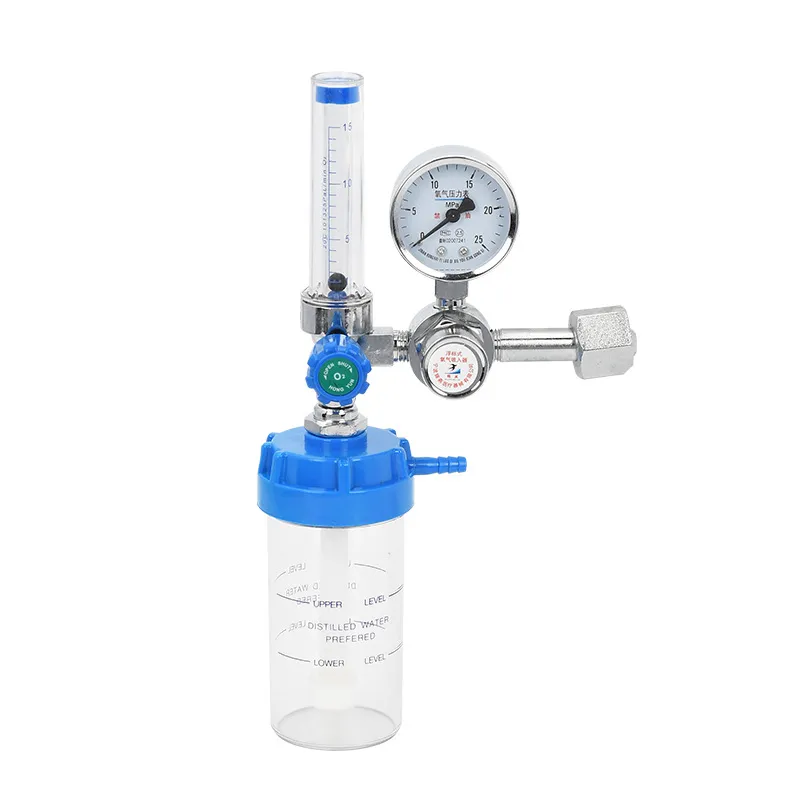
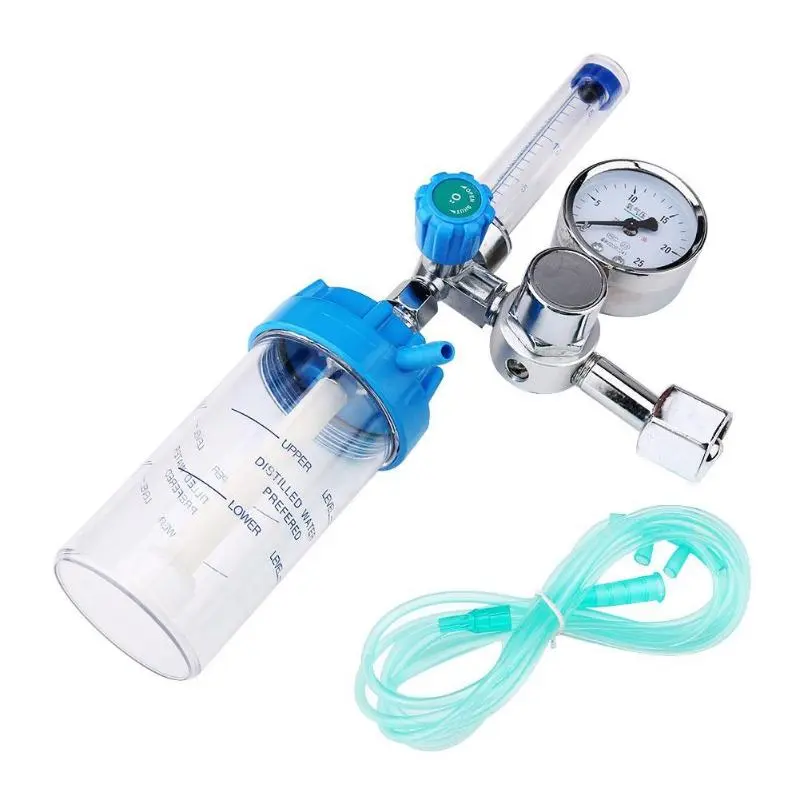
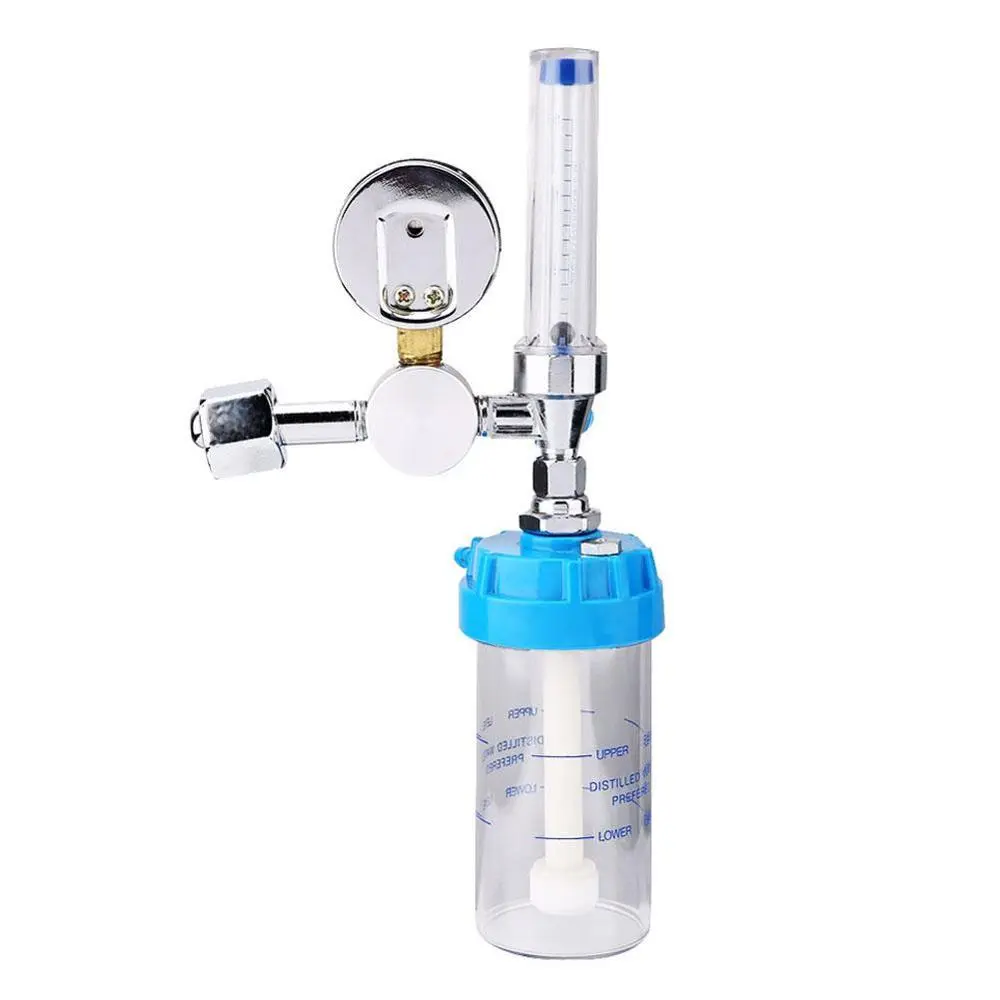
Choosing the right Oxygen Pressure Regulator starts with understanding what actually affects performance in day to day use. Pressure control hardware can look similar at a glance, but small differences in materials, gauge clarity, valve stability, and gas compatibility make a huge difference once the regulator is in service. For oxygen use, you want a regulator built specifically for oxygen handling, not a general gas fitting with broad compatibility claims. That means proper valve sealing, stable pressure reduction, and a body material that can hold up under repeated use without developing play in the fittings.
Gauge visibility matters more than many buyers expect. If the dial is hard to read, too small, or poorly marked, quick pressure checks become slower and less reliable. A well marked gauge lets you confirm output at a glance, which is useful in busy work settings where constant manual checking becomes a pain. Connection quality matters too. The inlet and outlet points should feel secure, cleanly machined, and properly aligned so the regulator seats correctly and avoids unnecessary leaks or poor pressure consistency.
Build quality starts with the valve body, because that is where the regulator takes most of its mechanical load. Zinc alloy is a strong choice here because it offers solid structural strength, dependable wear resistance, and good stability under repeated pressure adjustment. Compared with lower grade mixed metal bodies, zinc alloy tends to feel more stable in the hand and holds up better over time in active workshop or technical environments. That extra rigidity matters because a regulator that flexes, loosens, or wears too quickly will never give consistent output.
Internal sealing matters just as much. A regulator should close cleanly, adjust smoothly, and maintain steady control without jumpy pressure changes. The gauge housing also needs to stay secure, because a loose or poorly mounted dial can affect both readability and long term reliability. From what we've seen, better material consistency usually means better pressure consistency too. That is what you really want.
A few numbers matter more than the rest. Rated outlet pressure is one of them, because it tells you how much controlled downstream pressure the unit is built to maintain. For this model, 0.25 MPa gives stable regulated output suitable for controlled oxygen delivery where consistency matters more than raw force. Flow rate matters just as much, and a range of 1 to 110 m3 per hour gives useful flexibility across lower and higher demand setups.
Gauge readability is another practical spec worth paying attention to. If you cannot check pressure quickly, the gauge is not doing its job. Material specification matters too, especially with oxygen use where stable, clean gas control is expected. Buyers often overlook fitting type, but connection style affects how easily the regulator integrates into your existing setup. Honestly, that part catches people out more often than it should.
A fair price in Australia usually comes down to material quality, gauge reliability, and how stable the regulator performs over time. Lower cost units often look similar in product photos, but weaker cast bodies, inconsistent seals, and poor dial clarity usually show up pretty quickly in real use. Paying a little more for stronger materials and steadier control usually means fewer replacements and more reliable performance.
That matters because this is not the sort of gear you want to second guess once it is installed. A better built Oxygen Pressure Regulator tends to deliver better long term value simply by staying accurate, stable, and easier to trust during regular use.
The strongest part of this regulator is how it balances durability with control. The zinc alloy valve body gives it a solid mechanical base, which matters because pressure control components need structural consistency to perform well over time. A stable body helps maintain tighter sealing, smoother valve response, and more dependable long term use. In real terms, that means fewer fluctuations and less fiddling once the system is running.
The gauge is another standout because clear pressure visibility saves time during setup and operation. Quick checks are easier, adjustments are faster, and you spend less time second guessing output levels. That might sound small, but in practice it is one of the most useful day to day features.
Flow flexibility is another big advantage. With a range from 1 to 110 m3 per hour, the regulator gives you more usable operating room across different oxygen tasks without forcing a one setting approach. Need controlled lower output, or stronger flow through a more demanding line? This unit gives you both ends of that range. And the integrated inhaler fitting helps simplify downstream connection, which keeps setup cleaner and easier to manage.
Compared with generic pressure reducers, this unit is more purpose built for oxygen specific use, and that matters. Many lower grade regulators are sold as broad gas control fittings, which often means compromises in valve tuning, material consistency, or connection quality. This one stays focused on oxygen control, which improves compatibility and overall reliability.
It also offers a better balance of clear monitoring, stable pressure reduction, and useful flow range than basic single purpose reducers. If you ask us, purpose built hardware is usually the smarter buy for consistent long term performance.
Before installation, inspect the regulator body, gauge face, and connection points to make sure everything is clean and free from visible damage or debris. Confirm that your oxygen source and fittings are compatible, then secure the regulator carefully to the supply connection without over tightening. Once seated correctly, check that the gauge is visible and the outlet path is properly aligned.
Open the supply gradually and monitor the gauge as pressure builds. Adjust the regulator slowly until the desired outlet pressure is reached, then confirm flow stability before full use. That slower first setup helps protect seals and gives you a more accurate baseline.
Keep the regulator clean, dry, and free from dust or oily residue around the valve body and connection points. Periodically inspect the gauge face for clarity and check that the adjustment remains smooth during use. A quick visual check now and then helps catch wear before it becomes a bigger issue.
Store it somewhere stable when not in use, especially away from unnecessary impact or moisture. But do not overcomplicate maintenance. Keep the fittings clean, check the gauge, and make sure the seals stay in good shape. That alone goes a long way.
This regulator suits buyers who need controlled oxygen pressure in practical working environments where reliability matters more than flashy extras. It is a strong fit for workshops, industrial users, technical setups, and oxygen handling applications where pressure needs to stay stable and visible at all times. Buyers who value straightforward control, durable metal construction, and a readable gauge will get the most from it.
It also suits users replacing lower quality regulators that never quite held pressure properly or made gauge checks harder than they should be. For Australian buyers managing workshop setups, maintenance spaces, technical gas lines, or controlled oxygen delivery points, this is the kind of gear that earns its place quickly. Why gamble on inconsistent pressure control when accuracy is the whole job?
GiftDeal Australia has been operating since 2020, helping Australian customers find dependable gear that does what it says without the fluff. For technical equipment like oxygen regulators, that means better product selection, clearer specifications, and support that feels grounded in real use, not guesswork. We are Australian based, we ship fast domestically, and we keep returns easy if something is not the right fit.
You’ll also find a broader range of workshop gear, industrial tools, and practical accessories chosen to work well together, which makes sourcing easier when you are building or upgrading a setup. That means less trial and error, more consistency, and real customer support when you need it.
Q: Is this regulator made specifically for oxygen use?
A: Yes, this unit is built specifically for oxygen as its applicable medium, which is important for safe and stable gas control. It is
intended for oxygen pressure reduction and flow regulation rather than broad multi gas use. That gives you better compatibility, steadier
performance, and more reliable pressure handling. It is made for oxygen specific work, plain and simple.
Q: What material is the valve body made from?
A: The valve body is made from zinc alloy, which offers solid strength and dependable wear resistance in regular use. That material helps
the regulator stay stable under repeated adjustment and pressure handling. It also supports better long term structural consistency than
lighter mixed metal alternatives. For active technical use, that added strength matters.
Q: What does the pressure gauge actually help with?
A: The gauge gives you a quick visual reading of output pressure so you can monitor performance during setup and operation. That makes it
easier to check consistency, confirm stable delivery, and adjust the valve with more confidence. Clear pressure visibility reduces guesswork
and saves time in active use. It is one of the most practical features on the unit.
Q: What is the rated outlet pressure on this Oxygen Pressure Regulator?
A: This model has a rated outlet pressure of 0.25 MPa, which supports stable downstream oxygen control in regular operation. That pressure
level helps maintain more consistent delivery across connected equipment or controlled output points. It is built for regulated performance
rather than uneven flow swings. For steady pressure handling, that rating is a useful benchmark.
Q: Is the flow rate adjustable for different tasks?
A: Yes, the regulator supports a rated flow range from 1 to 110 m3 per hour, which gives you useful flexibility. Lower settings suit more
controlled output, while higher flow supports broader oxygen use where needed. That range makes the unit more adaptable across different
operating demands. It gives you room to adjust without changing hardware.
Q: Does it include everything needed for basic use?
A: It includes the regulator body, integrated gauge, valve assembly, and inhaler connection fitting in one unit. That gives you the key
control components needed for pressure reduction and oxygen output management. You get a ready to install assembly rather than separate
loose parts. It keeps setup simpler and more efficient.
Q: Can it be used in Australian workshop environments?
A: Yes, it is well suited to Australian workshop and technical environments where stable oxygen control is needed. The metal body, readable
gauge, and practical flow range make it useful for regular hands on use. It is compact, durable, and straightforward to manage in busy
workspaces. That makes it a reliable fit for local industrial setups.
Q: How should I maintain the regulator over time?
A: Keep the body clean, store it dry, and inspect the fittings and gauge regularly for dust or wear. A quick check of seals, adjustment
feel, and dial clarity helps maintain stable performance over time. Avoid grime buildup around the valve and connection points. Regular
basic care keeps it working as it should.
We deliver your orders quickly, safely, and securely. Most orders arrive within 7–21 working days. Local deliveries may arrive sooner.
Delivery times may vary based on location, order volume, and courier schedules. Some rural areas may take longer.
If your order hasn't arrived within the estimated timeframe, please contact us: contact@giftdeal.com.au
No FAQs available for this product yet.
Buyer guide not available for this product.