

Computer & Office
Upgrade Your Workspace
Discover premium computer essentials and office supplies designed to boost your productivity and style.
Explore Gear
.webp)
Discover premium computer essentials and office supplies designed to boost your productivity and style.
Explore Gear
.webp)
.webp)
.jpg)
.webp)
Standard delivery charges apply.
Secure handling guaranteed.
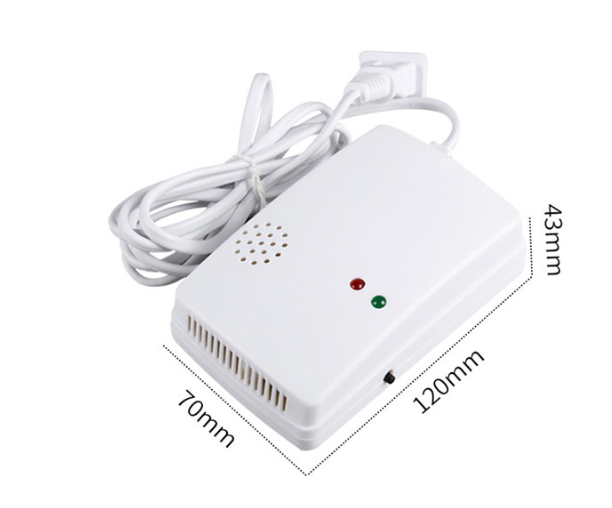
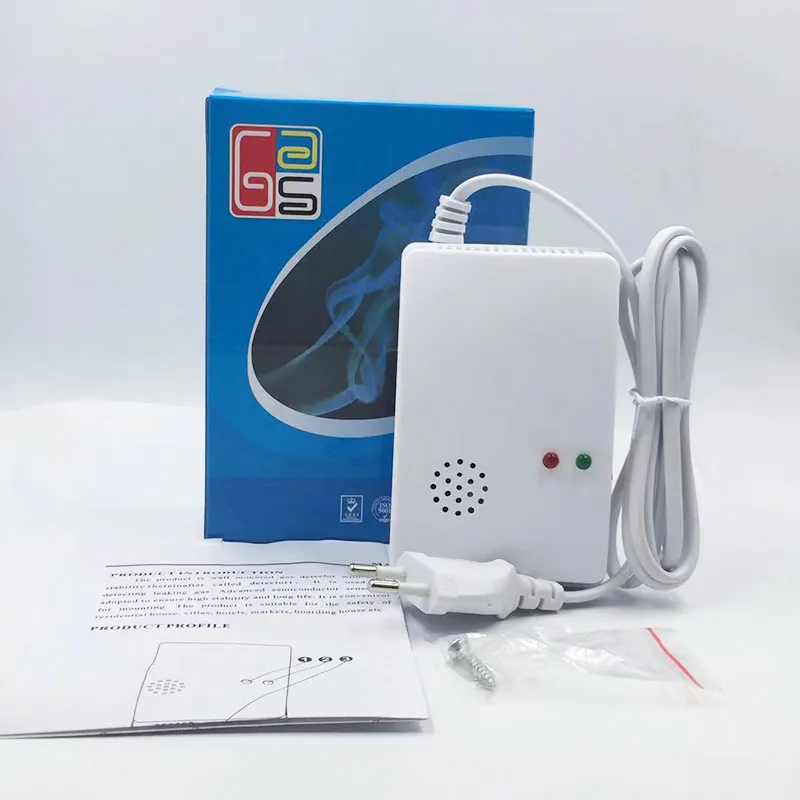
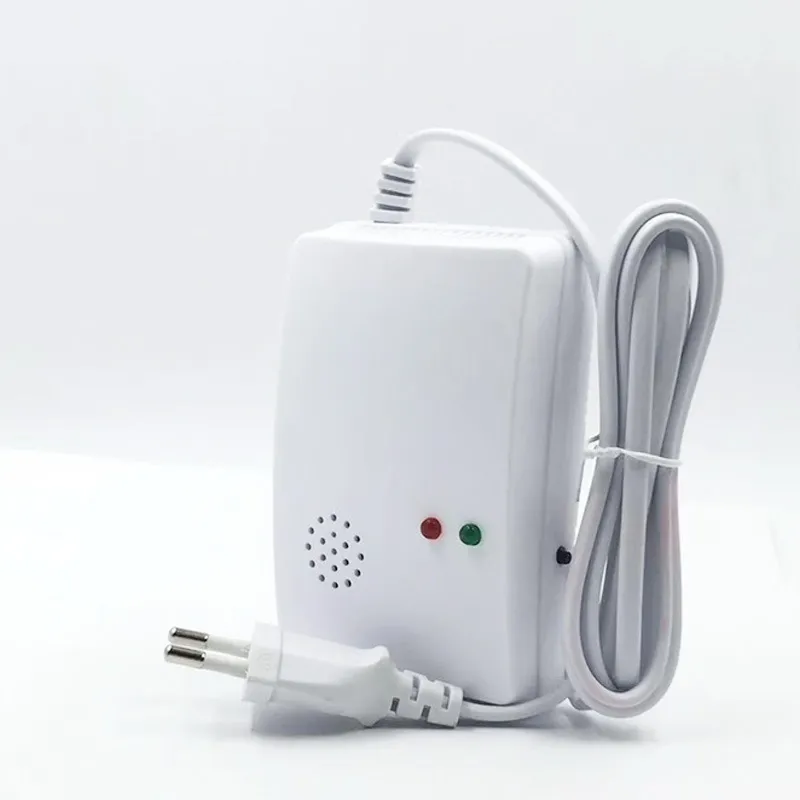
Ensuring the safety of a home requires proactive measures especially when it comes to invisible hazards like gas leaks. The Plug In Combustible Gas Leak Detector is an essential safety device designed to monitor the air for the presence of dangerous gases such as methane propane and butane. Unlike smoke detectors which alert you after a fire has started this device is engineered to warn you before a fire or explosion can occur. By constantly analyzing the air density and chemical composition in your kitchen or utility room it acts as a vigilant sentry that never sleeps. It is particularly vital for homes that utilize natural gas for cooking or heating as well as properties that rely on LPG cylinders. The device is compact and plugs directly into a standard wall outlet eliminating the need for complex wiring or expensive professional installation.
The core function of this Plug In Combustible Gas Leak Detector relies on advanced semiconductor technology. This sensor is highly sensitive to the molecular structure of combustible gases. When the concentration of gas in the air exceeds a safe threshold the device triggers a loud audible alarm and visual LED indicators. This immediate feedback allows homeowners to shut off the main gas supply and ventilate the area before the gas reaches an explosive level known as the Lower Explosive Limit or LEL. The alarm current is optimized at 20mA ensuring that the siren is loud enough to wake sleepers in adjacent rooms while the quiescent current of 40uA ensures the device is energy efficient and does not significantly impact your electricity bill. It is a small investment that offers massive returns in terms of protecting life and property.
Proper placement is critical for the effectiveness of any gas sensor. Since this device functions as a Plug In Combustible Gas Leak Detector its position depends on the type of gas you are trying to detect. Natural gas or methane is lighter than air and tends to rise towards the ceiling. Therefore if your home uses piped natural gas you should install this unit roughly 30 centimeters from the ceiling. On the other hand if you are using LPG or bottled propane which is heavier than air and sinks to the floor the unit should be placed about 30 centimeters above the ground. The wide operating voltage of 110V to 220V makes it suitable for use in various regions without the need for voltage converters making it a versatile choice for both residential homes and commercial spaces like hotel kitchens.
Kitchens can be harsh environments due to fluctuating temperatures and humidity levels. This Plug In Combustible Gas Leak Detector is built to withstand these conditions with a working temperature range of minus 10 degrees Celsius to plus 50 degrees Celsius. The outer casing is made from flame retardant ABS plastic which protects the internal components from heat and grease. The robust design ensures that the sensor maintains its calibration over time reducing the likelihood of false alarms caused by cooking vapors or steam. The device features a simple interface with indicator lights that show the power status and alarm status at a glance giving the user confidence that the system is active and monitoring the environment 24 hours a day.
Gas leaks are often undetectable by human smell until the concentration is dangerously high. While utility companies add an odorant to gas it is possible to miss this smell if you have a cold or if the leak is in a well ventilated area that slowly accumulates gas in a pocket. The Plug In Combustible Gas Leak Detector removes the guesswork. It provides scientific precision in detecting leaks from stove burners water heaters or aging pipes. For landlords and hotel managers installing these devices is also a matter of liability and compliance with safety standards. It demonstrates a commitment to tenant safety and can prevent catastrophic accidents that result in severe property damage. The peace of mind that comes from knowing your family is protected from gas related hazards is invaluable.
| Feature | Specification |
| Product Name | Domestic Gas Safety Alarm |
| Installation Type | Wall Mounted Plug In |
| Voltage Support | 110V to 220V AC |
| Target Gases | Methane LPG Propane Butane |
| Alarm Current | 20mA |
| Standby Current | 40uA |
| Material | Flame Retardant ABS |
| Operating Temp | -10°C to +50°C |
| Alert Type | Audible Siren and LED |
The technical prowess of this device lies in its finely tuned sensitivity. It is calibrated to ignore minor background fluctuations but react instantly to genuine threats. The sensor inside the Plug In Combustible Gas Leak Detector undergoes rigorous testing to ensure it responds rapidly. In the event of a leak every second counts. A slow response time could mean the difference between a simple repair job and a major explosion. This unit provides real time monitoring. The green light indicates normal operation while the red light flashes rapidly accompanied by the siren when gas is detected. Once the gas clears the alarm automatically resets returning to monitoring mode without requiring a manual reboot. This automatic reset feature is particularly useful if the alarm was triggered by a temporary issue like a burner left on without a flame which was quickly rectified.
[BUYER_GUIDE]
Purchasing a gas leak detector is one of the most responsible decisions a homeowner can make. However the technical nature of these devices can be confusing for the average consumer. This guide aims to demystify the technology and help you understand exactly what you are buying and how to use it effectively. The first thing to understand is the difference between various gas sensors. Many people confuse Carbon Monoxide (CO) detectors with Combustible Gas detectors. These are two completely different hazards. Carbon Monoxide is a byproduct of incomplete combustion and is toxic to breathe. Combustible Gas like methane or propane is explosive. The product described here is a combustible gas detector. It is designed to prevent explosions. If you have gas appliances you ideally need both types of detectors in your home but they serve different purposes. Do not buy a CO detector thinking it will warn you of a gas leak from your stove pipe.
Understanding Gas Physics and Placement
The single most important factor in the success of a gas alarm is where you put it. You cannot just plug it into any random socket and
expect it to work. You must know what kind of gas you are using. Natural Gas (Methane) which comes through pipes from the street is lighter
than air. If it leaks it floats up and gathers near the ceiling. If you plug your detector into a socket near the floor for a natural gas
leak it might not sound the alarm until the room is almost entirely filled with gas which is extremely dangerous. Conversely Liquid
Petroleum Gas (LPG) which comes in metal cylinders or bottles is heavier than air. If it leaks it spills onto the floor like water. For LPG
you must install the detector low down near the skirting board. Before you buy confirm your gas type and ensure you have an electrical
outlet in the correct position relative to the potential leak source.
Sensor Technology and Lifespan
Gas detectors use a sensor element often a catalytic bead or a metal oxide semiconductor to detect the presence of gas. These sensors have a
lifespan. Unlike a simple electrical switch they do degrade over time due to exposure to moisture dust and trace chemicals in the air. Most
domestic gas detectors have a service life of about three to five years. It is crucial to check the manufacturing date or the recommended
replacement date in the manual. Do not assume that because the light is green the sensor is still perfect after ten years. Regular testing
is required. Some units come with a "Test" button which simulates a gas presence to check the electronic circuit and the siren. You should
press this button monthly to ensure the device is operational. Additionally you can do a safe functional test by releasing a small amount of
gas from a lighter (without igniting it) near the vents of the detector to see if it reacts.
Power Source and Reliability
This particular model is a plug in unit which runs on mains electricity (110-220V). The advantage of a plug in model is that you never have
to worry about changing dead batteries. Batteries can drain silently leaving you unprotected. A mains powered unit is always on as long as
your home has power. However the downside is that it will not work during a power outage. For areas with frequent load shedding or blackouts
you might consider a unit that has a battery backup or using this unit in conjunction with a UPS. The energy consumption of this device is
incredibly low (measured in microamps) so it will not add any noticeable cost to your electricity bill. The reliability of a hardwired or
plug in connection is generally superior to battery only units for long term monitoring.
Interpreting Alarms and False Positives
It is important to know that certain household chemicals can sometimes trigger false alarms in gas detectors. Aerosol sprays hairsprays
paints alcohol based cleaning products and even strong cooking wine vapors can occasionally set off the sensor if used in large quantities
directly near the device. This is known as cross sensitivity. If your alarm goes off do not panic immediately. Check if anyone has been
using strong chemicals nearby. However always treat an alarm as a genuine emergency first. If the alarm sounds turn off the gas at the meter
or bottle open all windows and doors and do not touch any electrical switches (including lights) as a spark could ignite the gas. Evacuate
the house and call the gas utility company from outside. Understanding these protocols is just as important as buying the device itself.
Integration into a Safety Ecosystem
Think of the gas detector as part of a larger safety ecosystem in your home. It should complement your smoke detectors and fire
extinguishers. In a commercial kitchen or a hotel environment these detectors are often required by law. For a domestic user they are a
critical upgrade. If you are renovating your kitchen consider the placement of the detector during the electrical wiring phase so you can
have an outlet placed exactly where it is needed (high or low) without having unsightly extension cords running up the wall. A clean
professional installation ensures that the device is not tampered with or unplugged accidentally. By taking the time to understand the
specific needs of your environment and the capabilities of the device you ensure that you are getting the maximum protection for your
investment.
[FAQS]
Q: Will this alarm detect Carbon Monoxide (CO) as well?
A: No this device is specifically designed to detect combustible gases like Natural Gas (Methane) and LPG (Propane/Butane). It does not detect Carbon Monoxide which requires a different type of sensor. For full protection you should have both types of alarms.
Q: Where should I install this if I use Natural Gas (Sui Gas)?
A: Natural gas is lighter than air and rises. You should install the alarm approximately 30 centimeters (12 inches) down from the ceiling and within 1.5 to 3 meters of the gas source (stove or heater) for the fastest detection.
Q: Where should I install this if I use LPG cylinders?
A: LPG is heavier than air and sinks to the ground. You should install the alarm approximately 30 centimeters (12 inches) above the floor ensuring it is not blocked by furniture or curtains so air can flow to the sensor.
Q: What do the red and green lights indicate?
A: Typically the green light indicates that the device is receiving power and operating normally. The red light usually flashes when the sensor detects gas levels above the safety threshold and is accompanied by the loud siren.
Q: How do I test if the alarm is actually working?
A: There is usually a test button on the unit to check the electronics and siren. For a functional test you can release a small amount of gas from an unlit cigarette lighter near the sensor vents for a few seconds to trigger the alarm.
Q: Does this device work during a power outage?
A: This specific model is powered by the mains outlet (110-220V). If the electricity goes out the device will not function unless it is connected to a UPS or backup generator. It does not have an internal battery backup.
Q: Why is my alarm making a noise when I cook with wine or use hairspray?
A: The sensors can be sensitive to other airborne chemicals like alcohol vapors or aerosol propellants. This is called a false positive. Ensure the kitchen is well ventilated when cooking with strong ingredients and try to keep aerosols away from the sensor.
Q: How long does the sensor last before it needs replacing?
A: Gas sensors generally have a lifespan of 3 to 5 years depending on the environment. After this period the sensitivity may decrease. It is recommended to replace the entire unit every 5 years to ensure maximum safety and reliability.
We deliver your orders quickly, safely, and securely. Most orders arrive within 7–21 working days. Local deliveries may arrive sooner.
Delivery times may vary based on location, order volume, and courier schedules. Some rural areas may take longer.
If your order hasn't arrived within the estimated timeframe, please contact us: contact@giftdeal.com.au
No FAQs available for this product yet.
Buyer guide not available for this product.