.webp)
Standard delivery charges apply.
Secure handling guaranteed.
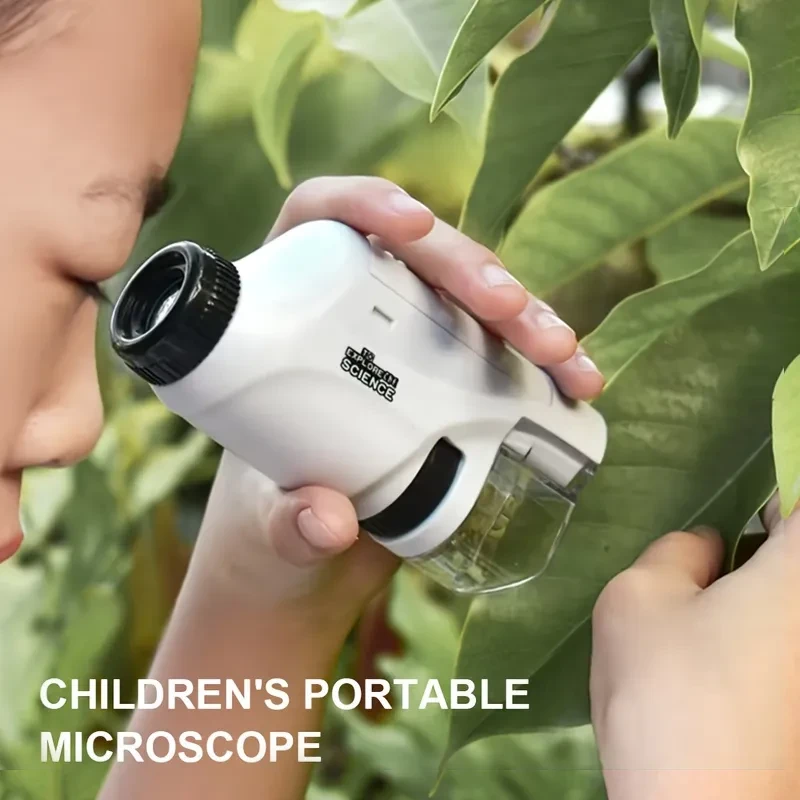
Tiny worlds sit right under your nose, and this Pocket Microscope for Kids makes them visible in seconds. Slip it into a backpack, head outside, and suddenly leaves, insects, and fabric fibres turn into detailed landscapes. With adjustable 60X to 120X magnification and a built in LED light, it handles everything from dim indoor corners to bright backyard sessions. Focus is simple, zooming feels natural, and the compact design fits small hands without fuss. Kids don’t need a lab bench or bulky equipment anymore. They can explore, snap photos through a phone, and actually see what they’re learning about in science class. That connection between curiosity and real observation is where the magic happens.
Comfort matters more than you’d think, especially for younger users. The shape of this mini microscope sits nicely in small hands, so kids won’t fumble or lose grip while trying to focus on a moving ant or a leaf vein. And because it’s lightweight and portable, it can go from the backyard to a school excursion without taking up space.
Magnification flexibility is where things get interesting. With 60X to 120X zoom, children can start with a broader view, then dial in closer to examine details like pollen grains or onion cells. That ability to switch magnification levels means it grows with their curiosity. One day they’re looking at sand grains, next day it’s textile fibres from their school uniform.
Lighting often makes or breaks a viewing experience. Built in LED illumination gives a consistent light source, even when the weather turns dull or the observation spot isn’t ideal. The light is gentle on young eyes, so extended use doesn’t become uncomfortable. Adjusting brightness helps when switching between translucent samples and solid surfaces.
Focusing is refreshingly straightforward. A manual zoom wheel lets kids fine tune the image until it’s sharp and clear. No complicated settings. Just turn, look, adjust. That simplicity builds confidence, especially for first time users.
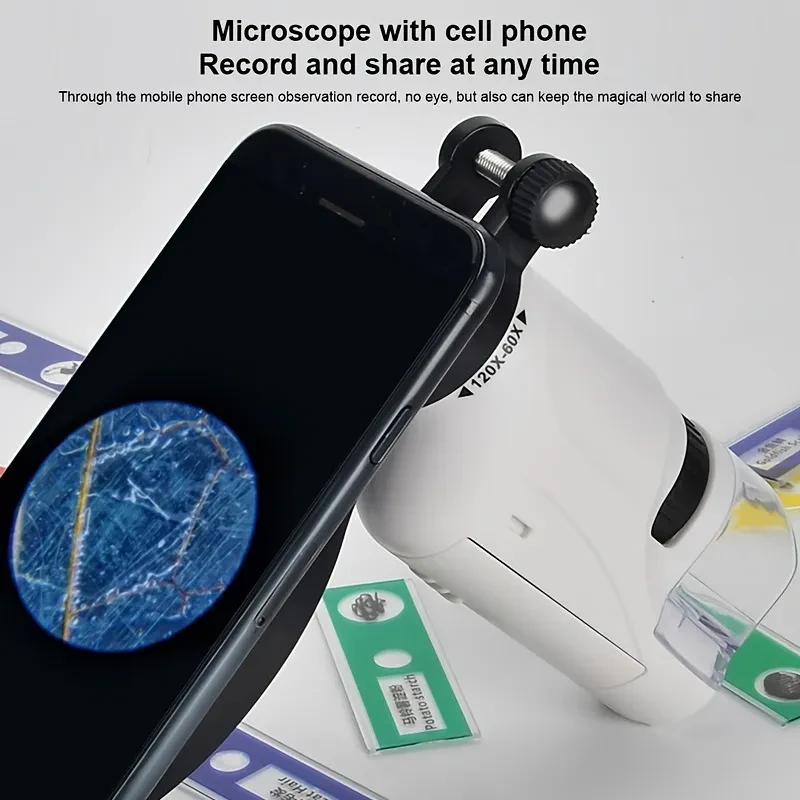
Then there’s the mobile phone compatibility. Kids can line up their phone camera and capture what they’re seeing. Suddenly, they’re not just observing, they’re documenting. Photos can be shared with classmates or even used in school projects, which adds another layer to the learning experience.
Durability is quietly important here. Built for everyday handling, it can handle being tossed into a school bag or used during outdoor adventures. From what we’ve seen, it holds up well during real world use, not just careful desk setups.
Parents juggling school runs and weekend activities will appreciate something that keeps kids engaged without screens. Instead of another tablet session, this microscope turns a simple walk in the park into an exploration mission. Kids stay curious, and you get a bit of quiet time.
Primary school students working through science units will find it genuinely useful. Whether they’re studying plant biology, insects, or basic cell structures, being able to observe samples firsthand makes lessons stick. Teachers often encourage hands on learning, and this fits right in.
It’s also a great pick for families who enjoy outdoor weekends. Think camping trips, beach days, or backyard barbecues. Kids can examine shells, sand, or leaves while adults relax nearby. And honestly, adults end up having a go too. It’s one of those things that quietly pulls everyone in.
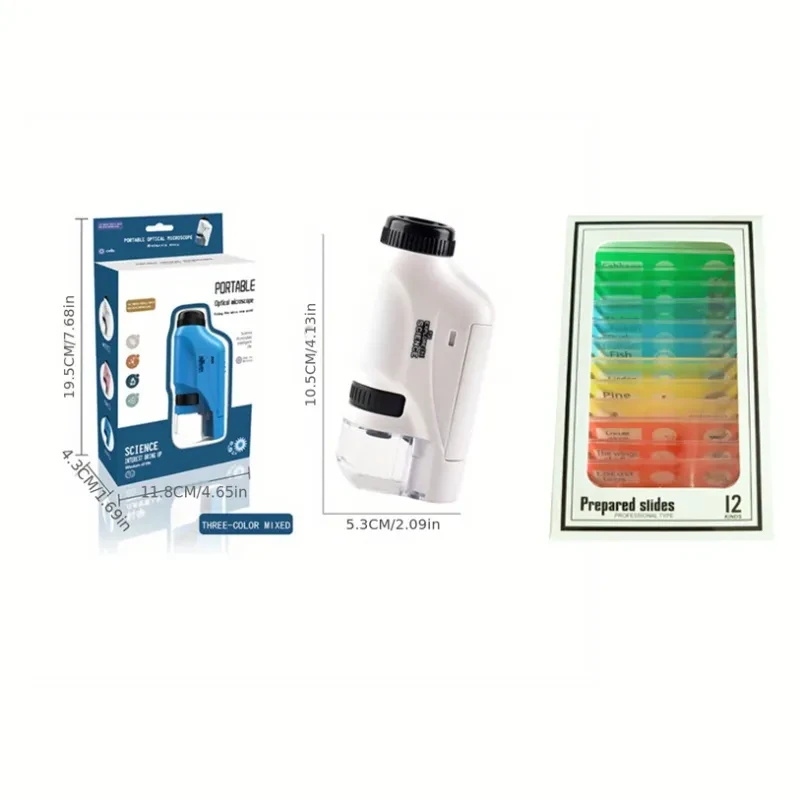
Inside the box, you’ll find everything needed to get started straight away.
• Portable handheld pocket microscope unit
• Built in LED light source with adjustable brightness
• Magnification range from 60X to 120X
• Manual focus and zoom wheel system
• Lightweight plastic housing suited for children
• Compact size for easy storage in bags or pockets
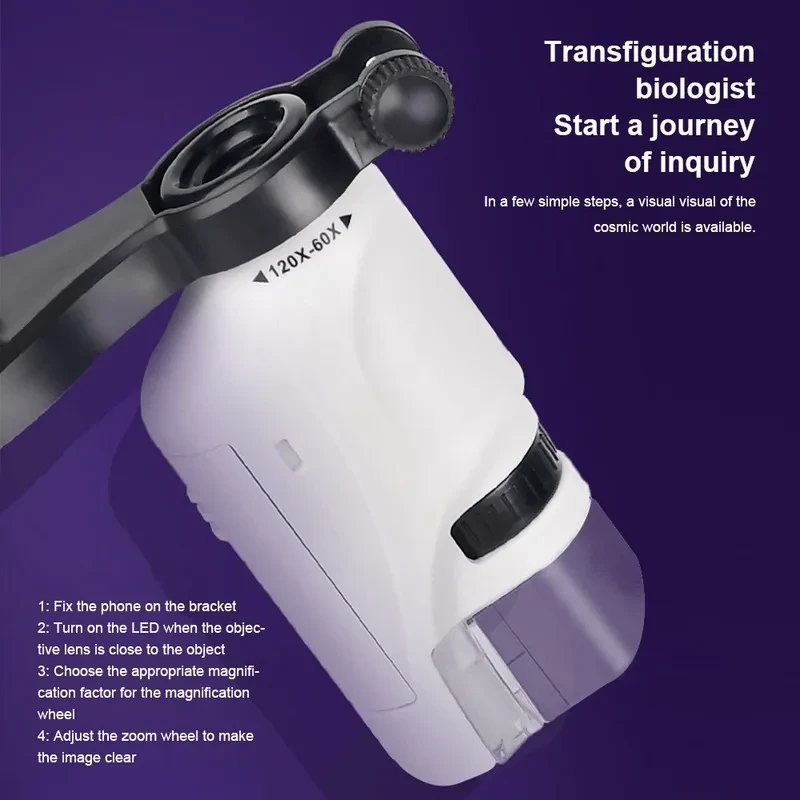
• Mobile phone alignment capability for photo capture
The size is compact enough to fit comfortably in a child’s hand, and the weight stays low so it doesn’t feel bulky during longer sessions.
At GiftDeal, we’ve spent years finding products that actually hold a child’s attention while supporting learning. Since 2020, we’ve focused on items that combine fun with practical value, especially for curious kids who love hands on activities. This microscope fits right into that idea. Orders are shipped quickly across Australia, so you’re not waiting weeks for delivery. Returns are simple if needed, and we’ve tested products like this with real families, not just in theory. That means you’re getting something that works in everyday Aussie homes, from city apartments to backyard setups.
If you’re browsing, you might also enjoy exploring our science kits, educational toys, or outdoor activity gear to build a full learning setup at home.
A good pocket microscope should feel sturdy without being heavy. Most models use ABS plastic housing, which balances durability and weight for younger users. Look for smooth edges and a solid grip area, especially if it’s going to be used outdoors on grass, sand, or uneven surfaces. Lens quality matters too. Acrylic lenses are common, though higher clarity optics improve detail when viewing specimens like plant cells or insect wings. Buttons and dials should move easily without feeling loose. If a unit rattles or feels flimsy, it likely won’t last through regular use in school bags or weekend outings.
Magnification range is the headline feature, but not all ranges are equal. A 60X to 120X range is ideal for kids because it allows both broader observation and close detail without becoming too complex. Lighting is another critical factor. LED illumination helps maintain visibility across different environments, especially indoors or during cloudy winter afternoons. Focus control should be manual and smooth, giving users the ability to sharpen images quickly. Some models include phone compatibility, which adds value for documenting findings. Honestly, that feature alone can turn a simple tool into something kids use regularly.
In Australia, entry level microscopes can be quite cheap, but they often lack clarity or durability. Spending a bit more usually means better optics and a longer lifespan. For something that will be handled by kids, reliability matters more than saving a few dollars. A mid range option often hits the sweet spot, offering decent magnification, stable lighting, and a comfortable design. If you ask us, value comes from how often it gets used, not just the upfront price.
The Pocket Microscope for Kids stands out because it blends simplicity with practical features that actually get used. The adjustable magnification allows children to explore everything from leaves to fabric fibres without needing multiple tools. That flexibility keeps them engaged longer because there’s always something new to examine.
LED lighting plays a huge role here. Kids don’t always pick the perfect spot for observation. Sometimes it’s a shaded corner of the backyard or inside during a rainy afternoon. Having built in light ensures they still get clear visibility. And the brightness adjustment helps when switching between different sample types.
Portability is another big win. It fits into a pocket or small bag, making it easy to bring along on school excursions or family trips. No bulky setup required. Just pull it out and start exploring.
The focus wheel deserves a mention too. It’s responsive and easy to control, which means kids won’t get frustrated trying to achieve a clear image. That ease of use builds confidence, especially for younger users.
And then there’s the phone compatibility. Capturing images adds a whole new layer of engagement. Kids can share discoveries with friends or include them in school assignments. It turns observation into something interactive and memorable.
Many basic microscopes on the market focus on either portability or magnification, rarely both. This one manages to balance both without becoming complicated. Compared to bulkier desktop microscopes, it offers freedom and flexibility. Against cheaper handheld options, it delivers clearer images and more reliable lighting. The overall experience feels more complete, which is what keeps kids coming back to use it.
Getting started is straightforward. Insert batteries if required, then switch on the LED light. Place the microscope close to the object you want to observe, whether it’s a leaf, fabric, or small insect. Adjust the zoom wheel to your preferred magnification, then slowly turn the focus dial until the image sharpens. It might take a couple of tries at first, but kids pick it up quickly. If using a phone, align the camera lens with the eyepiece and adjust until the image appears clearly on screen.
Use it in different environments to see how lighting changes the image. Early morning or late afternoon often provides interesting natural light conditions. Keep the lens clean using a soft cloth to avoid blurry images. Store it in a small pouch when not in use to protect from dust and scratches. And encourage kids to experiment. What happens when you zoom in on sand compared to a leaf?
Families with curious kids will get the most out of this. If your child is always picking up rocks, leaves, or bugs, this gives them a way to explore further. It’s also great for parents looking to reduce screen time while still keeping kids engaged.
School students benefit as well, especially during science units that involve observation and recording findings. Having a tool at home reinforces what they learn in class.
Outdoor loving families will find it fits naturally into their lifestyle. Think beach trips along the coast, camping weekends, or even backyard barbecues. Kids can explore while adults relax nearby. But here’s the thing, adults often end up using it too.
GiftDeal focuses on products that make everyday moments more engaging, especially for families. Since 2020, we’ve built a catalogue that supports learning, creativity, and outdoor fun. Our team carefully selects items that work well in Australian conditions, whether that’s bright summer days or cooler indoor use during winter. You’ll get reliable customer support if you have questions, and we keep our range practical rather than overwhelming. Fast delivery across Australia means you won’t be waiting long, and our easy returns process keeps things simple if plans change.
[FAQS]
Q: How durable is this pocket microscope for everyday use?
A: The housing is made from sturdy plastic that handles regular handling by kids quite well. It’s suitable for school bags, backyard play,
and travel use. While it’s not meant for rough drops onto hard surfaces, it holds up nicely during normal use. Keeping it stored in a pouch
helps extend its lifespan.
Q: Can this microscope connect to any smartphone?
A: Most modern smartphones can align with the eyepiece for photo capture. You don’t need a special app or cable connection. It works by
positioning the camera lens over the viewing area. A steady hand or simple clip can help improve results.
Q: Is the LED light safe for children’s eyes?
A: Yes, the LED light is designed to be gentle and suitable for extended viewing. It provides enough brightness to illuminate samples
without causing discomfort. Kids can adjust the light level depending on what they’re observing. It’s ideal for both indoor and outdoor use.
Q: What age group is this best suited for?
A: Generally, children aged 5 and up can use it comfortably. Younger kids may need a bit of guidance at first when focusing. Older kids will
quickly learn to adjust magnification and capture images. It grows with their skills and curiosity.
Q: Does the Pocket Microscope for Kids require batteries?
A: Yes, the LED light typically runs on small batteries, which are easy to replace. Battery life depends on how often it’s used, but it
generally lasts through multiple sessions. Keeping spare batteries handy is a good idea. This ensures uninterrupted exploration time.
Q: Can it be used for school science projects?
A: Absolutely, it’s well suited for basic science observations. Students can examine plant cells, fibres, and small insects. The ability to
take photos helps when creating reports or presentations. Teachers often encourage this kind of hands on learning.
Q: How do you clean the lens properly?
A: Use a soft microfibre cloth to gently wipe the lens surface. Avoid using water or harsh cleaning agents. Dust and fingerprints can affect
clarity, so regular light cleaning helps maintain image quality. Always store it in a clean, dry place.
Q: Is it suitable for outdoor conditions in Australia?
A: Yes, it works well in typical Australian environments, from sunny backyards to coastal areas. The LED light helps when natural light
isn’t ideal. Just avoid exposing it to heavy rain or extreme heat for long periods. Normal outdoor use is perfectly fine.
We deliver your orders quickly, safely, and securely. Most orders arrive within 7–21 working days. Local deliveries may arrive sooner.
Delivery times may vary based on location, order volume, and courier schedules. Some rural areas may take longer.
If your order hasn't arrived within the estimated timeframe, please contact us: contact@giftdeal.com.au
No FAQs available for this product yet.
Buyer guide not available for this product.