.webp)

Standard delivery charges apply.
Secure handling guaranteed.
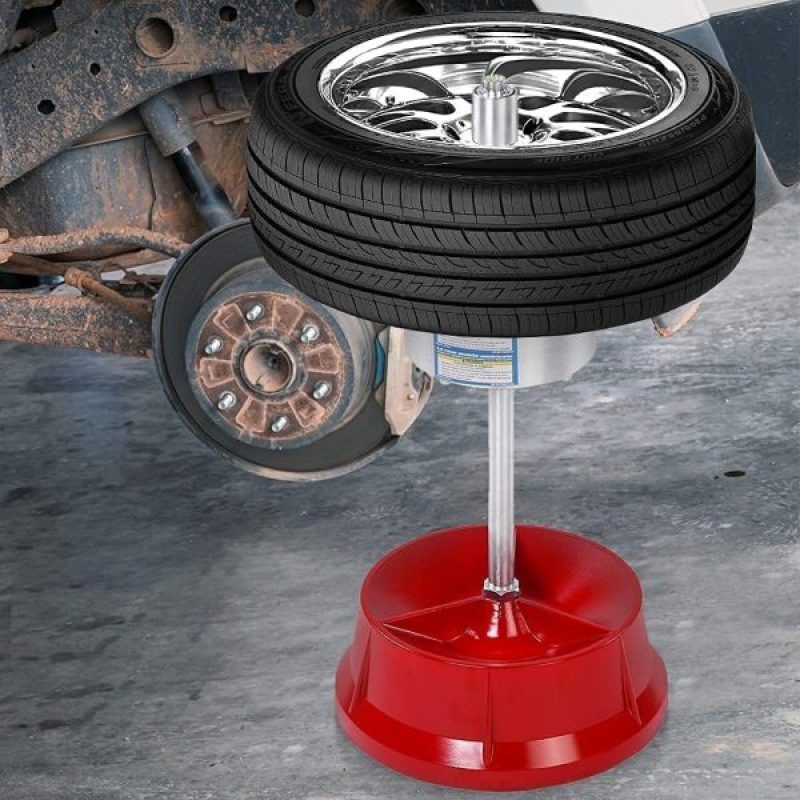
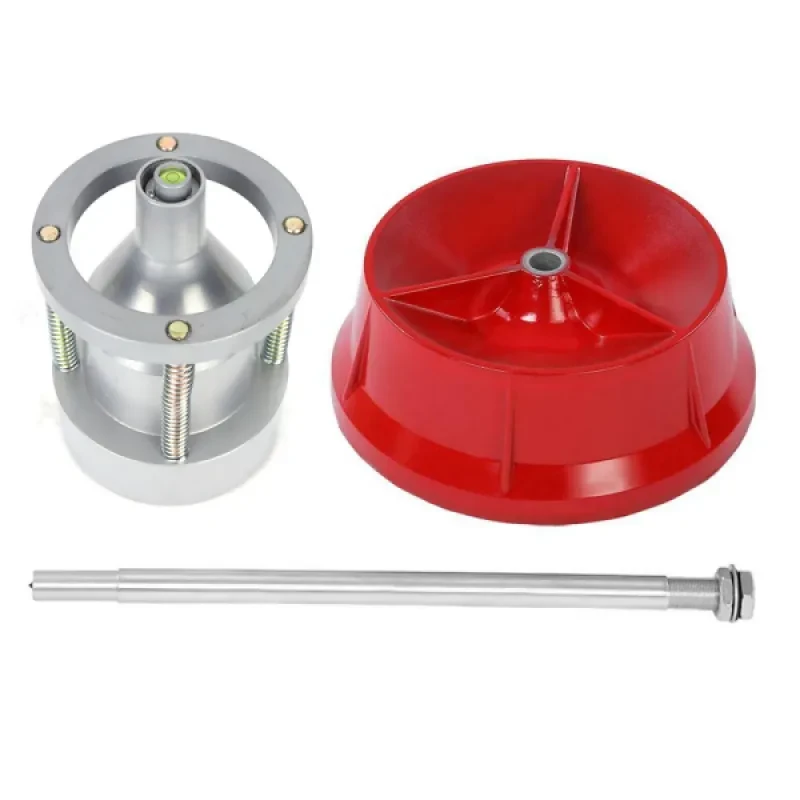
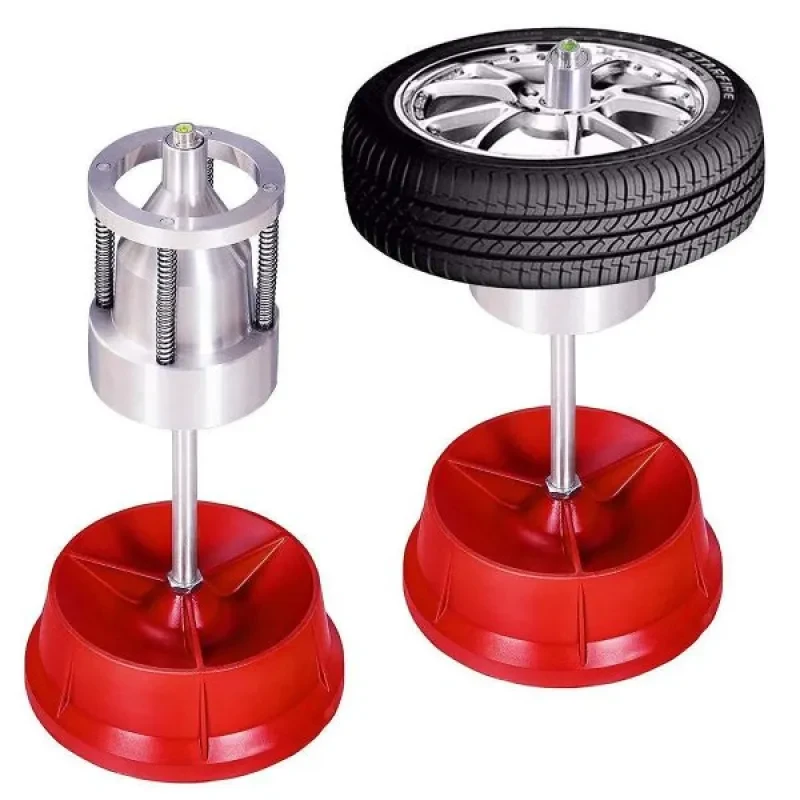
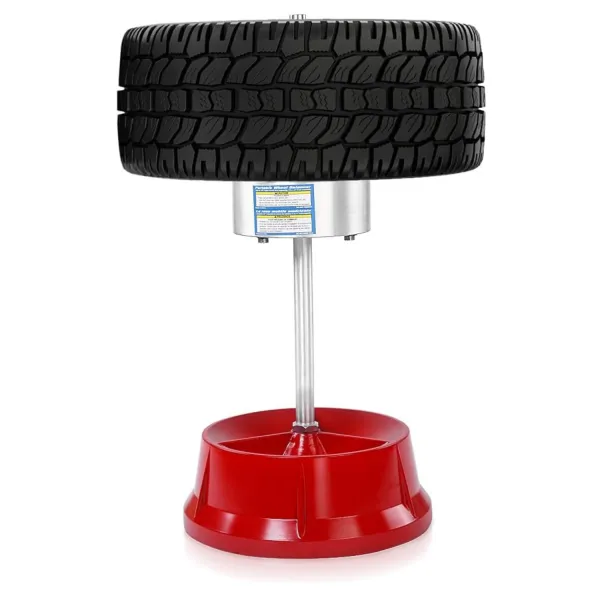
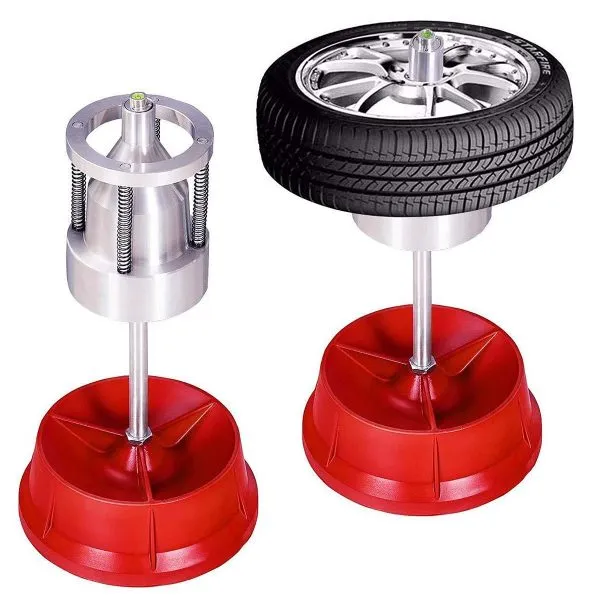
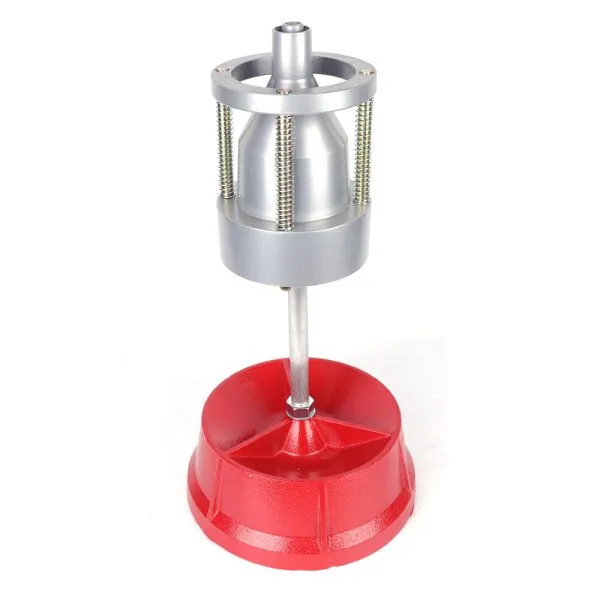
Portable Hub Wheel Balancer gives you a practical way to balance wheels accurately at home, in the shed, or in a small workshop without relying on oversized tyre machines. Built for DIY mechanics, home garages, and light commercial use, this manual balancing tool helps reduce wheel vibration, uneven tyre wear, and shaky handling by improving wheel balance with simple, reliable accuracy. Its bull’s eye level keeps balancing more precise, while the machined aluminium head supports a broad hub range suited to most passenger cars and light trucks. Compact, portable, and easy to move around, it’s a smart bit of workshop gear for anyone handling tyre work themselves.
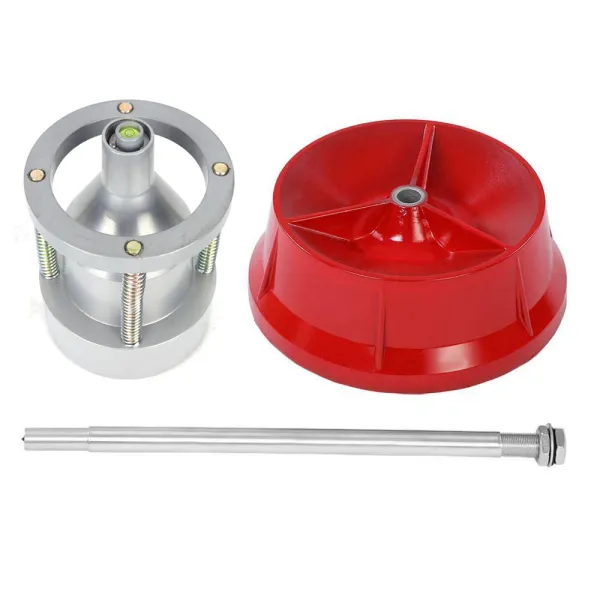
The standout feature here is the built in bull’s eye level, which makes balancing far easier to read and far more accurate during setup. Instead of guessing where imbalance sits or relying on rough visual judgement, you get a clearer reference point for correcting wheel position. That extra accuracy helps reduce vibration through the steering wheel, improves tyre wear, and gives a smoother drive once the wheel is back on the vehicle. For DIY balancing, that visual guide is what makes the whole process much more manageable.
The machined aluminium head is built to accept hubs from 1.5 inches to 4 inches in diameter, which gives it broad compatibility across common passenger vehicles and light trucks. That range matters because it makes the tool useful across more than one vehicle in the garage. It also helps improve centring accuracy, which is essential when balancing wheels properly. A more stable hub fit means better readings, cleaner adjustments, and less guesswork during the balancing process.
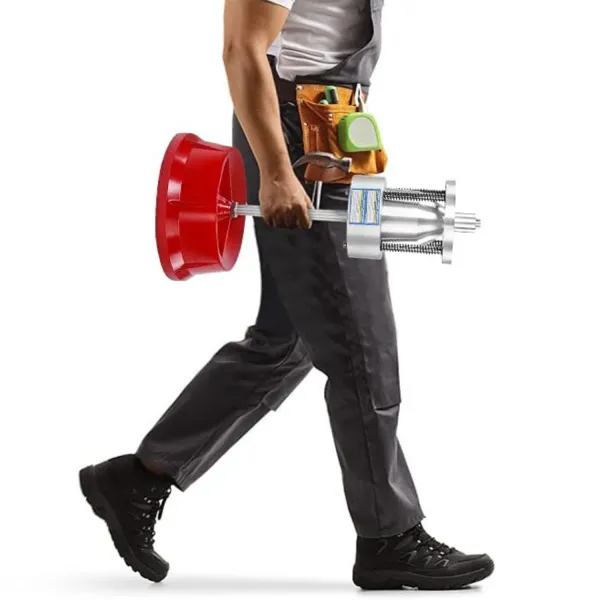
Big tyre balancing machines have their place, though they’re hardly practical for a home garage. This unit keeps things far simpler with a lightweight portable build that’s easy to move between storage, workbench, and floor space. At around 11 pounds, it has enough weight to stay stable in use without becoming a pain to carry around. That balance makes it ideal for DIY setups, shared workshops, and smaller garages where space matters.
The base uses a non rust enamel finish, which helps protect the unit from workshop dust, humidity, and general wear over time. That matters in Australian garages where tools often deal with heat, changing temperatures, and a bit of moisture through the seasons. The protective finish helps the base stay cleaner, last longer, and hold up better through regular use. It’s a practical detail, though one that adds plenty of long term value.
This balancer is built for the kind of vehicles most people actually work on at home, including passenger cars, sedans, utes, and light trucks. That broad fit makes it a useful tool for home mechanics managing multiple vehicles or doing regular tyre swaps across the household. Whether you’re balancing a daily commuter wheel or sorting a light work truck setup, it’s built for the job.
Not every garage needs a full commercial balancing machine. For DIY mechanics, small workshops, and home based servicing, this manual balancer makes much more sense. It’s compact enough to store easily, simple enough to use without specialist equipment, and accurate enough for practical tyre balancing work. That makes it a useful addition for anyone building a smarter workshop setup without overspending on oversized machines.
This tool is ideal for home mechanics who rotate tyres, swap wheels, or handle routine vehicle maintenance in the garage and want better balance without paying for a full machine setup. It also suits small workshop owners, shed tinkerers, and practical DIY users who service family cars, utes, or light trucks and want smoother wheel performance after tyre work. If you like doing your own maintenance, this is a solid workshop addition.
It also suits rural drivers, weekend restorers, and anyone managing more than one vehicle where regular tyre balancing can save time and money. For home garages with limited floor space, the compact footprint is especially useful. And if you’re setting up a practical workshop, this is one of those tools that quietly earns its keep.
Inside the box, you’ll receive a complete manual wheel balancing unit ready for workshop use.
Product type, manual hub wheel balancer
Use case, wheel balancing for cars and light trucks
Overall dimensions, 24 inches high x 11.5 inches diameter
Base diameter, 11.5 inches
Center rod diameter, 0.813 inches
Hub diameter, 1.495 inches
Hub compatibility, 1.5 inches to 4 inches
Approx weight, 11 lbs
Base finish, non rust enamel
Head material, machined aluminium
Included in package, 1 hub balancer
Its compact vertical design makes it easy to store in the garage, workshop corner, or tyre service area without taking over valuable floor
space.
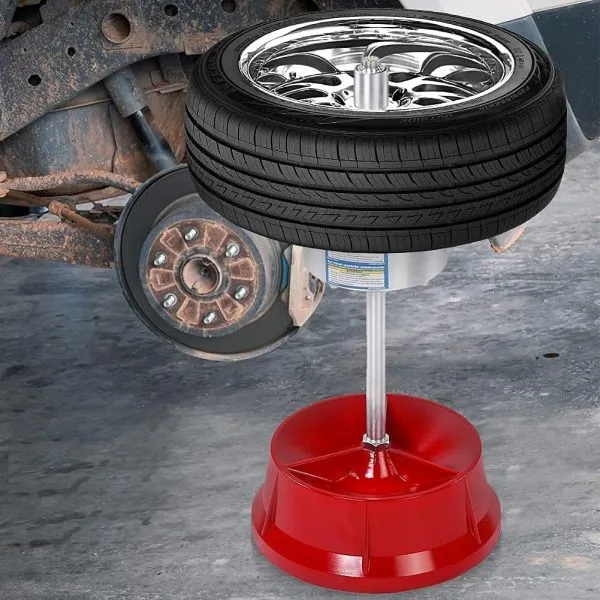

A good manual wheel balancer should do one thing well, give you reliable wheel balance without needing oversized workshop machinery. Accuracy is the first thing that matters because even small balancing errors can lead to steering vibration, uneven tread wear, and less stable handling on the road. For DIY use, the tool should be simple to read, easy to position, and stable enough to trust during adjustment.
The most important thing to look for is centring accuracy. If the hub fit is inconsistent, the balance reading won’t mean much. A well built Portable Hub Wheel Balancer should offer stable wheel support, clear visual balance reference, and enough structural weight to stay steady during use. That’s what makes the difference between useful workshop gear and something that just takes up floor space.
Material quality matters because balancing relies on stability and repeat consistency. A solid base helps reduce unwanted movement while the wheel settles, which improves reading accuracy and makes adjustments easier to trust. The best manual balancers use stable steel or reinforced base construction with a protective finish that holds up well in dusty workshop conditions.
The upper head matters just as much. Machined aluminium is a strong sign of better build quality because it improves hub centring and resists wear better than rough cast alternatives. That cleaner fit helps the wheel sit more evenly through the balancing process. For Australian garages where tools often deal with heat, dust, and long storage between jobs, better materials go a long way.
Hub compatibility is one of the most important specs to check because it determines how many wheel types the balancer can actually support. A useful range for home and light workshop use should comfortably cover common car and light truck hubs, which is exactly where broad compatibility adds more practical value.
Base diameter matters too because it affects stability. A wider base gives the balancer a more secure footprint and helps reduce unwanted movement while reading balance. Overall height also plays a role in ease of use, especially when mounting and removing wheels. A compact but stable frame is usually the sweet spot for home garages where space is limited but proper function still matters.
Cheaper balancing tools can save money upfront, though poor centring, weak materials, and unstable bases usually make them more frustrating than useful. If the readings aren’t consistent, the whole point of balancing is lost. Spending a bit more on better stability and cleaner hub support usually saves time, tyres, and repeat adjustments.
A well made Portable Hub Wheel Balancer offers stronger value because it supports better wheel life, smoother driving, and more accurate DIY servicing over time. For Australian garages, that’s money well spent.
The biggest strength here is practical balancing accuracy without needing a powered machine. That matters because most home users don’t need commercial tyre equipment, they just need a reliable way to reduce wheel vibration and improve tyre wear after service work. The bull’s eye level makes that much easier by giving you a clear visual reference during balancing, which helps remove a lot of the guesswork.
The machined aluminium head is another standout because it improves wheel centring across a broad hub range. That wider compatibility makes the balancer useful across family cars, utes, and light trucks instead of limiting it to one setup. Better centring means more reliable readings, which is the whole point.
Then there’s the lightweight build. It stays portable enough to move easily around the garage, though still stable enough to use confidently once in place. For home workshops, that balance is spot on.
Generic manual balancers often look similar, though many fall short where it counts most, hub fit, centring accuracy, and base stability. Cheaper units can wobble too easily, wear faster, or give less consistent readings because the wheel never sits properly in the first place.
This balancer stands out because it focuses on the practical bits that matter. You get stable base support, a clearer level reference, and stronger aluminium hub fit in one simple tool. Compared with oversized powered machines, it’s far easier to store. Compared with lower quality manual options, it’s much more dependable for repeat use.
Set the balancer on a flat stable workshop surface before first use and check the bull’s eye level sits evenly. Mount the wheel carefully onto the aluminium head, making sure it seats cleanly and centrally before letting it settle. A stable start gives you a far better reading.
Allow the wheel to rotate freely and settle naturally, then observe the low point before making adjustments. Add weight gradually, recheck balance, and repeat until the level reads evenly. It’s straightforward once you’ve done it once, and the process gets quicker fast.
Use the balancer on a stable flat surface every time, because uneven flooring can throw off readings before you even begin. Keep the centre rod clean, wipe dust from the head, and check the level remains clear before each use. Small maintenance habits help preserve better accuracy over time.
Store it somewhere dry when not in use and avoid knocking the centre assembly around between jobs. From what we’ve seen, the smoother the setup, the better the result. Clean positioning always pays off here.
This tool suits DIY mechanics who handle tyre rotations, wheel swaps, and regular servicing at home and want smoother wheel performance without outsourcing every balance job. It’s especially useful for family garages, small workshops, and practical home mechanics working across multiple vehicles. If you service your own car, ute, or light truck, this makes plenty of sense.
It also suits rural drivers, weekend restorers, and anyone maintaining older vehicles where tyre work comes up more often. For home workshops that need useful gear without full commercial bulk, this is a smart addition. It’s compact, practical, and easy to justify once it gets used a few times.
GiftDeal Australia has been operating since 2020, and we focus on useful workshop gear that suits real Australian garages, not oversized tools most people don’t have room for. That matters with automotive equipment because the best tools are the ones you can actually store, reach for, and use properly when the job comes up. We choose practical garage and servicing gear built for real DIY work.
You’ll also get local support, fast domestic shipping, easy returns, and a broad range of practical automotive tools backed by real customer service. For workshop gear, that extra reliability goes a long way.
Q: Is this Portable Hub Wheel Balancer suitable for home garage use?
A: Yes, it’s built specifically for DIY garages, home workshops, and smaller servicing spaces where full tyre machines are unnecessary. The
compact design is easier to store, simple to set up, and practical for routine balancing work. That makes it ideal for home mechanics. It’s a
smart fit for everyday garage use.
Q: Can it balance wheels for light trucks as well as cars?
A: Yes, the hub range is suited to most passenger cars and light trucks, which makes it useful across a broader range of household vehicles.
That added compatibility is especially handy for homes with multiple vehicles. It works well for sedans, utes, and lighter work vehicles.
That flexibility adds real value.
Q: What does the bull’s eye level do?
A: The bull’s eye level gives you a clearer visual reference while balancing so wheel position can be adjusted more accurately. That helps
reduce guesswork and makes it easier to identify imbalance during setup. More accurate readings lead to better wheel balance. It’s one of
the most useful features on the unit.
Q: Is it heavy to move around the workshop?
A: No, it’s light enough to move comfortably between storage and work areas while still staying stable during use. That balance makes it
much easier to manage in smaller workshops and home garages. You can reposition it without much effort. It stays practical for regular use.
Q: Does it need electricity to operate?
A: No, this is a fully manual wheel balancing tool and does not require electricity, power cables, or compressed air to operate. That makes
it easier to use in sheds, garages, and mobile workspaces without extra setup. It’s simple and reliable. That manual design keeps things
straightforward.
Q: Is it suitable for DIY tyre rotations and wheel swaps?
A: Yes, it’s a useful tool for anyone doing wheel swaps, tyre rotations, and regular maintenance where balance accuracy matters after
reinstallation. It helps improve smoother running and more even tyre wear after service work. That makes it very useful for repeat DIY
maintenance. It earns its place quickly.
Q: Will it fit most common vehicle hubs?
A: Yes, the machined aluminium head accepts hubs from 1.5 inches to 4 inches, which covers most common passenger vehicles and light trucks.
That broad fit gives it much better everyday workshop value. It’s practical across more than one vehicle. That wider range is one of its
strengths.
Q: Is this a useful tool for small workshops?
A: Absolutely, it’s a practical option for smaller workshops that need accurate wheel balancing without committing to larger powered
machines. It saves space, stays easy to move, and handles regular balancing tasks well. That makes it a sensible workshop addition.
We deliver your orders quickly, safely, and securely. Most orders arrive within 7–21 working days. Local deliveries may arrive sooner.
Delivery times may vary based on location, order volume, and courier schedules. Some rural areas may take longer.
If your order hasn't arrived within the estimated timeframe, please contact us: contact@giftdeal.com.au
No FAQs available for this product yet.
Buyer guide not available for this product.