

Computer & Office
Upgrade Your Workspace
Discover premium computer essentials and office supplies designed to boost your productivity and style.
Explore Gear
.webp)
Discover premium computer essentials and office supplies designed to boost your productivity and style.
Explore Gear
Standard delivery charges apply.
Secure handling guaranteed.
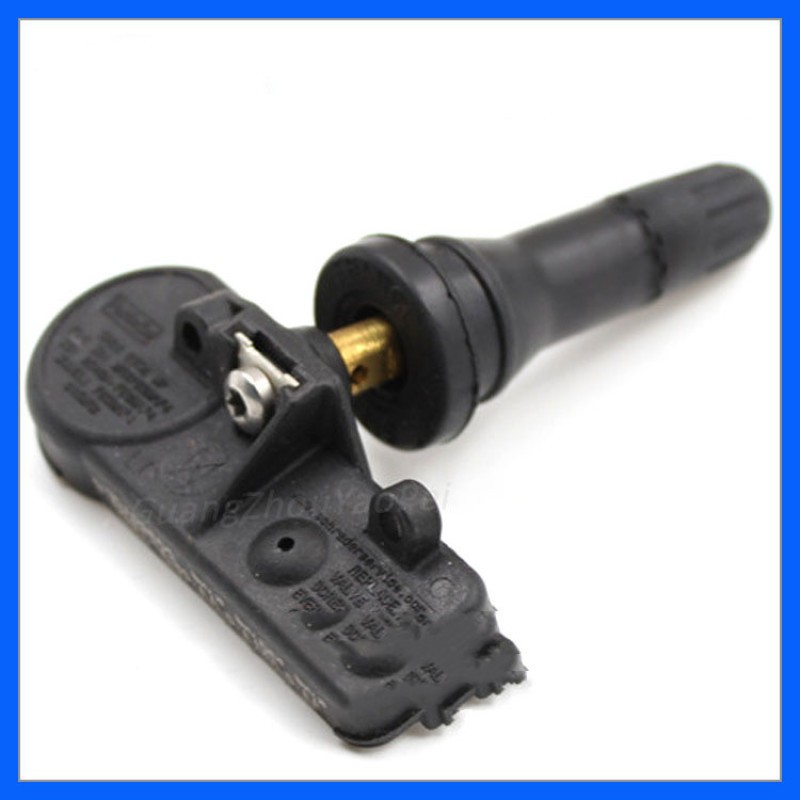
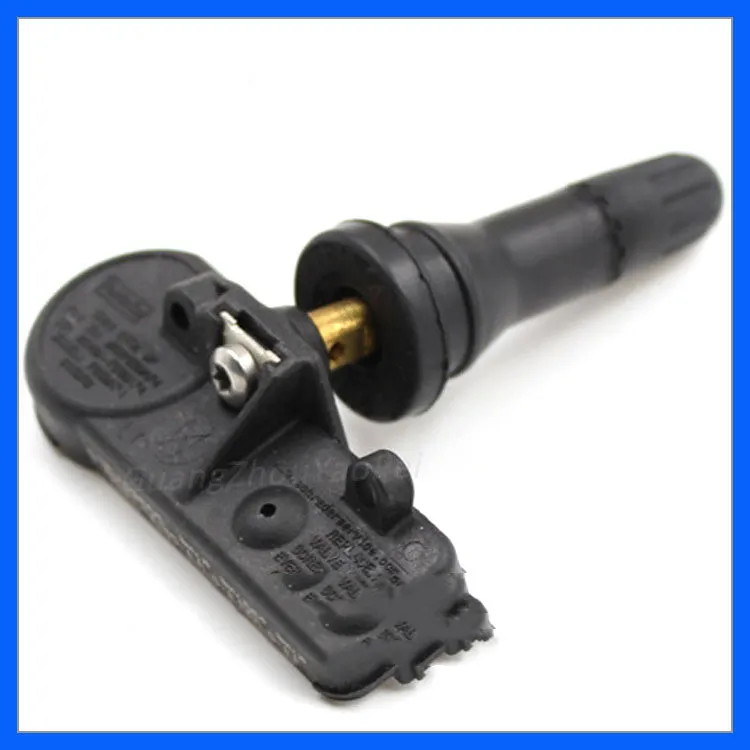
Driving with the correct air pressure is not just about extending the life of your tires it is a critical aspect of vehicle safety. The TPMS Tire Pressure Monitoring Sensor is engineered to be the vigilant guardian of your wheels providing real time data that can prevent catastrophic accidents. Modern vehicles rely on these sophisticated electronic devices to detect even the slightest drop in air pressure which is often invisible to the naked eye. By installing this high quality replacement sensor you ensure that your cars computer receives accurate information regarding the status of your tires. This immediate feedback loop allows you to address leaks or punctures before they turn into dangerous blowouts on the highway. Whether you are commuting to work or embarking on a long cross country road trip having a functional sensor is the key to peace of mind and optimal vehicle performance.
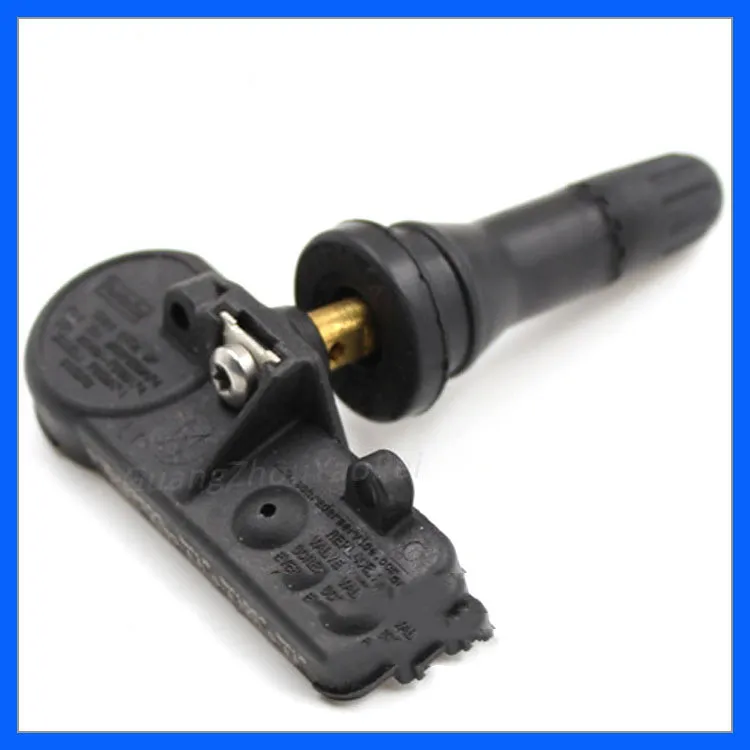
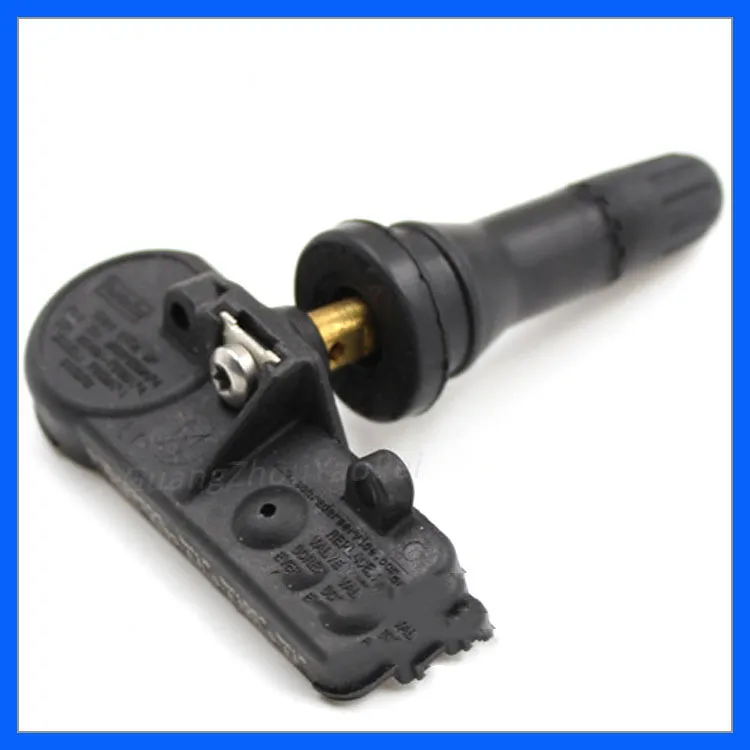
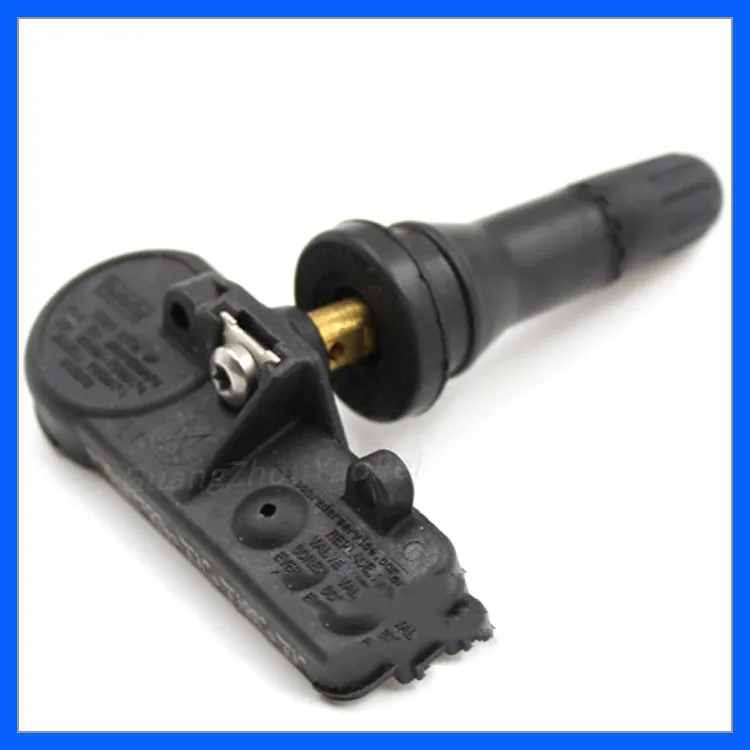
The technology embedded within this TPMS Tire Pressure Monitoring Sensor utilizes advanced radio frequency signals to communicate with your vehicle's onboard computer. Unlike older indirect systems that guessed pressure based on wheel rotation speed this direct sensor measures the actual air pressure inside the tire cavity. It creates a seamless stream of data that updates constantly while the vehicle is in motion. This specific model features a durable rubber snap in stem which is the industry standard for many domestic and import vehicles. The rubber construction offers flexibility and resists corrosion from road salts and moisture ensuring a long service life even in harsh weather conditions.
Accuracy is the most important feature of any safety device. This TPMS Tire Pressure Monitoring Sensor is calibrated to detect pressure changes with exceptional precision. It eliminates the guesswork associated with manual gauges which can often be inaccurate or difficult to read. When the pressure drops below the recommended threshold the sensor instantly triggers the warning light on your dashboard. This rapid response time is vital because driving on an underinflated tire generates excessive heat which is the leading cause of tire failure. By keeping your tires properly inflated using the data from this sensor you also optimize the contact patch of the tire with the road. This results in better handling better braking distances and significantly improved fuel economy saving you money at the gas pump over the life of the tire.
Finding the right part for your car can be a challenge but this TPMS Tire Pressure Monitoring Sensor is designed for broad compatibility. It is built to meet or exceed original equipment manufacturer specifications making it a perfect replacement for broken or dead sensors. The sensor operates on a standard frequency protocol that matches the receivers found in most modern sedans SUVs and light trucks. Its universal design aspects allow it to be programmed or relearned by the vehicle easily often requiring only a standard relearn tool or a simple driving cycle depending on the car make. The compact body fits neatly inside the rim without affecting the wheel balance ensuring a smooth ride without vibrations.
The environment inside a spinning tire is incredibly harsh characterized by high centrifugal forces extreme temperature fluctuations and constant vibration. This TPMS Tire Pressure Monitoring Sensor is built to withstand these punishing conditions. The electronic components are potted in a high grade protective resin that shields them from moisture dust and shock. The internal battery is an industrial grade lithium cell designed to last for years ensuring you do not have to replace the sensor frequently. Furthermore the rubber valve stem acts as a seal preventing air from escaping at the rim hole. This robust construction ensures that once installed the sensor requires zero maintenance allowing you to focus on the road ahead rather than worrying about your equipment.
| Feature | Specification |
| Product Name | TPMS Replacement Sensor |
| Stem Type | Rubber Snap In Valve |
| Communication | Radio Frequency (RF) |
| Installation | Internal Rim Mount |
| Battery Life | Long Life Lithium Ion |
| Housing Material | High Strength Composite |
| Weather Resistance | Waterproof and Shockproof |
| Function | Real Time Pressure Monitoring |
| Application | Universal Fitment (Check Model) |
Installing this device is a straightforward process for any tire technician. Since it is a snap in model the TPMS Tire Pressure Monitoring Sensor does not require complex screw tightening or torque adjustments that clamp in metal sensors do. The rubber stem is pulled through the valve hole creating an airtight seal instantly. Once physically installed the sensor needs to be paired with the vehicle. This process known as the relearn procedure synchronizes the unique ID of the sensor with the car computer. Because this sensor uses high quality transmission chips the pairing process is fast and reliable. It is an ideal solution for winter tire sets where you need a second set of sensors or for replacing a single unit that has run out of battery.
[BUYER_GUIDE]
Understanding the intricate world of Tire Pressure Monitoring Systems is essential for making an informed purchase. The system is your first line of defense against tire failure and buying the right replacement part requires a bit of knowledge about how these systems operate. There are two main types of systems which are Direct and Indirect. The product described here is a Direct TPMS sensor. This means it is a physical piece of hardware that sits inside the tire and measures the air pressure directly. This is superior to indirect systems which use the ABS sensors to count wheel rotations. When you are shopping for a sensor you must ensure that your vehicle uses a Direct system. If your car has a rubber or metal valve stem that looks slightly thicker or rigid than a bicycle valve you likely have a Direct system that requires this type of sensor.
Frequency Matters
One of the most critical technical specifications to look for is the frequency. In the automotive world sensors typically operate on either
315 MHz or 433 MHz. The 315 MHz frequency is commonly used by American manufacturers like Ford and GM while the 433 MHz frequency is the
standard for European and many Asian vehicles. You cannot mix and match these. If your car receiver is listening for a 315 MHz signal and
you install a 433 MHz sensor the car will never see it. Before purchasing check your old sensor or your owner's manual. Many modern
replacement sensors are "dual frequency" or programmable meaning they can be set to work on either frequency but verifying this
compatibility is the first step to a successful installation.
Valve Stem Types: Rubber vs Metal
Sensors come attached to two types of valve stems which are the Snap In rubber stem and the Clamp In metal stem. The product shown here is a
rubber Snap In style. These are generally preferred for standard passenger vehicles because they are less prone to galvanic corrosion.
Galvanic corrosion happens when a metal aluminum stem touches a steel wheel and road salt accelerates the rusting process causing the stem
to snap. Rubber stems avoid this entirely. However rubber stems do degrade over time due to ozone and UV exposure. It is industry standard
practice to service the valve stem every time you change your tires even if you keep the same sensor body. If you are replacing a metal
sensor with a rubber one ensure your rim hole is the standard size as they are usually interchangeable but aesthetic preferences may vary.
The Relearn Procedure
Buying the sensor is only half the battle; getting your car to recognize it is the other half. Every sensor has a unique ID code like a
fingerprint. Your car's computer (ECU) has a list of the four ID codes belonging to the tires currently on the car. When you install a new
sensor you must update this list. This process is called "Relearning." There are three ways this happens depending on your car.
Battery Life and Longevity
The biggest limitation of any TPMS sensor is the battery. These sensors are sealed units. The battery is encased in epoxy to protect it from
the harsh environment inside the tire. This means you cannot replace just the battery; you must replace the entire sensor. A high quality
OEM grade sensor typically lasts between five to ten years or roughly 100,000 miles. Cheaper low quality sensors might only last one or two
years. When one sensor fails due to a low battery it is often a sign that the others are near the end of their life as well. Many experts
recommend replacing all four sensors simultaneously when your tires are changed if the sensors are more than seven years old. This saves you
from paying for mounting and balancing labor four separate times as each sensor dies one by one.
Universal vs Programmable vs Direct Fit
When searching for parts you will encounter these three terms. A Direct Fit sensor comes pre programmed for a
specific vehicle. You take it out of the box install it and perform the relearn. It is the easiest option but lacks versatility. A Programmable
Universal sensor
is blank when you buy it. A tire shop must use a specialized programming tool to "flash" the correct software onto it for your specific car.
The advantage here is that a shop only needs to stock one type of sensor to cover 98% of cars. The sensor listed here is likely a Direct Fit
or pre configured unit designed for a specific range of makes and models. Always double check the "Fitment" or "Compatibility" list
carefully. Do not assume that because it looks the same it will work. The internal protocols vary wildly between years and models even
within the same brand.
[FAQS]
Q: Will this sensor work on my specific car model?
A: This sensor is compatible with a wide range of vehicles that use the standard TPMS frequency. However you must check the specific fitment list or part number compatibility to ensure it matches your vehicle's make model and year.
Q: Do I need to balance my wheels after installing this sensor?
A: Yes anytime you add or remove weight from the wheel assembly you should rebalance the tire. The sensor has a specific weight and installing it without balancing can lead to vibrations at highway speeds.
Q: How long does the battery last in this sensor?
A: The internal lithium ion battery is designed to last approximately 5 to 7 years depending on usage. Since the battery is sealed inside the unit to protect it from moisture the entire sensor must be replaced when the battery dies.
Q: Can I install this sensor myself?
A: Installing the sensor requires breaking the tire bead and removing the tire from the rim which requires specialized equipment. It is highly recommended to have a professional tire shop handle the physical installation to avoid damaging the tire or rim.
Q: Why is my TPMS light still on after installation?
A: After installation the vehicle needs to "relearn" the new sensor ID. This may require driving for a specific distance or using a relearn tool to sync the sensor with the car's computer. Check your owner's manual for the specific procedure.
Q: Is this a 315MHz or 433MHz sensor?
A: TPMS sensors typically operate on one of these two frequencies. You should verify which frequency your vehicle requires before purchasing. Most American cars use 315MHz while European and Asian cars often use 433MHz.
Q: Does this sensor come with the valve stem?
A: Yes this unit includes the rubber snap in valve stem already attached to the sensor body. It provides a complete solution for replacing both the electronic sensor and the air valve in one step.
Q: Can this sensor be used on a spare tire?
A: Yes if your vehicle's spare tire is a full size rim equipped with TPMS monitoring capabilities you can install this sensor in the spare. However many temporary "donut" spares do not utilize pressure sensors.
We deliver your orders quickly, safely, and securely. Most orders arrive within 7–21 working days. Local deliveries may arrive sooner.
Delivery times may vary based on location, order volume, and courier schedules. Some rural areas may take longer.
If your order hasn't arrived within the estimated timeframe, please contact us: contact@giftdeal.com.au
No FAQs available for this product yet.
Buyer guide not available for this product.