.webp)
Standard delivery charges apply.
Secure handling guaranteed.
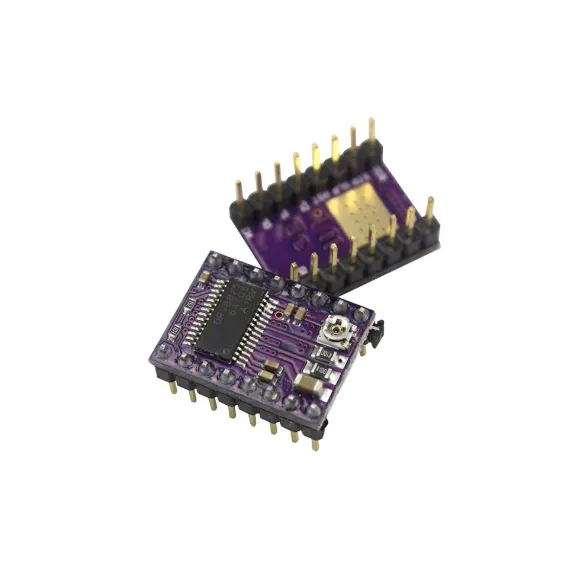
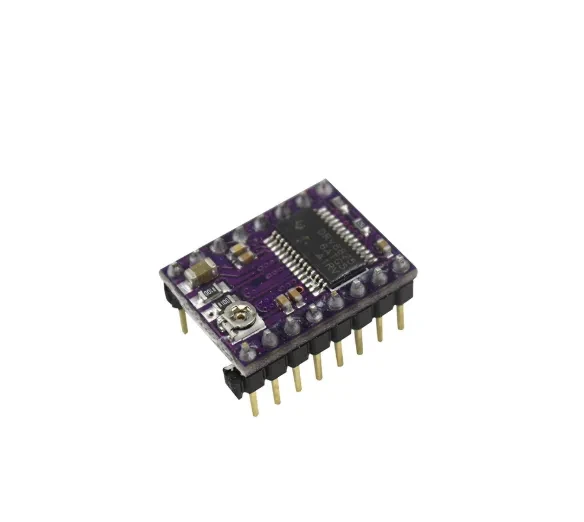
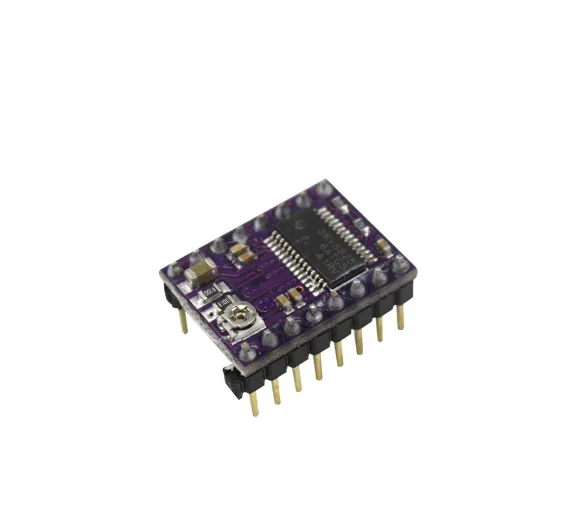
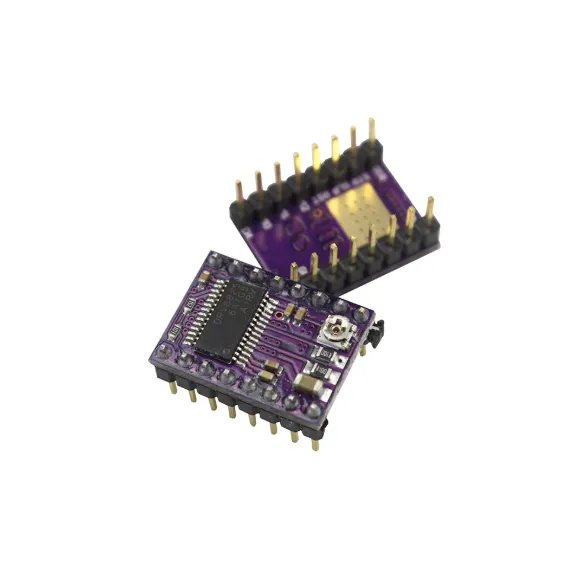
StepStick DRV8825 Stepper Motor Driver is a compact yet powerful control module that sits at the heart of many motion systems used in 3D printers, CNC machines, and engraving setups. This small board plays a critical role in translating control signals into precise motor movements, allowing stepper motors to operate with accuracy, stability, and consistent torque. With support for microstepping up to 1/32 and a maximum current output of 2.5A, it provides fine control that helps reduce vibration and improve print or machining quality.
Engineers, hobbyists, and makers across Australia rely on this driver for projects involving Prusa Mendel, Ultimaker style printers, Makerbot systems, and custom CNC builds. The StepStick DRV8825 Stepper Motor Driver integrates current control, thermal protection, and undervoltage safeguards into a single module, making it a dependable choice for demanding environments. Whether you are upgrading an existing controller or building a system from scratch, this component helps maintain smooth motion and precise positioning across axes.
One of the standout aspects of the StepStick DRV8825 Stepper Motor Driver is its support for high current output up to 2.5A. In practical terms, this allows it to drive a wide range of stepper motors commonly used in CNC routers, 3D printers, and automation equipment. Higher current capability translates into stronger torque, which is essential when dealing with heavier gantries or when maintaining consistent extrusion in 3D printing. The adjustable potentiometer gives you control over current limits, helping you fine tune performance based on your motor specifications.
Another important feature is its microstepping capability, supporting subdivisions from full step all the way to 1/32 step. This level of control significantly improves motion smoothness and reduces mechanical resonance. In a 3D printing context, finer microstepping can lead to better surface finishes and reduced layer artifacts. For CNC applications, it contributes to cleaner cuts and more accurate tool paths, especially when working with materials like timber, acrylic, or aluminium.
Thermal management is also well considered in this driver. The 4 layer PCB design improves heat dissipation, while the internal resistance of the chip is reduced to minimise heat generation. Combined with built in overheat shutdown protection, the module can operate more reliably during extended use. This is particularly useful in Australian workshop conditions where ambient temperatures can rise during summer months.
The interface design is another practical advantage. With simple step and direction control signals, the driver integrates easily with popular controller boards such as Arduino based systems and RAMPS setups. This makes it accessible for both experienced builders and those assembling their first machine. Automatic current decay modes also help optimise motor performance without requiring complex configuration.
Safety features such as undervoltage lockout and cross current protection provide additional assurance. These protections help prevent damage to both the driver and connected components in case of unstable power supply conditions. When combined with stable power sources and proper wiring, the module delivers consistent operation across a variety of use cases including robotics, automation rigs, and engraving machines.
This driver is well suited for makers building or upgrading 3D printers who want smoother motion control and improved print quality. Enthusiasts working on open source printer platforms often integrate the StepStick DRV8825 Stepper Motor Driver into RAMPS or similar controller boards to achieve finer microstepping and quieter operation.
It also suits CNC hobbyists who need reliable axis control for milling or engraving tasks. Whether you are running a small desktop CNC or a larger custom build, the ability to fine tune current and stepping modes makes it easier to adapt to different motors and workloads. From cutting timber panels to engraving signage, consistent motor performance is essential.
Another group includes electronics students and automation hobbyists experimenting with robotics or motion control systems. These users benefit from the straightforward step and direction interface, which simplifies integration with microcontrollers. From small conveyor systems to automated camera rigs, the module provides a dependable way to control motion without complex circuitry.
Inside the package you receive one StepStick DRV8825 Stepper Motor Driver module ready for integration into compatible systems. The board measures approximately 1.5 by 2 centimetres, matching the standard StepStick footprint used in many controller setups.
Key specifications include support for motor supply voltage ranging from 8.2V to 45V, driven current up to 2.5A, and microstepping modes including full, half, quarter, eighth, sixteenth, and thirty second step. The module is manufactured using SMT placement processes for consistent quality and stable performance. Additional features include automatic current decay, thermal shutdown protection, undervoltage lockout, and cross current protection. Compatibility extends to popular 3D printer platforms such as Prusa Mendel, Ultimaker, Printbot, and Makerbot style systems.
GiftDeal Australia has been supporting makers, hobbyists, and small businesses since 2020 with carefully selected electronics and tools that
suit real project needs. For this driver module, that means sourcing reliable components that integrate smoothly into common 3D printing and
CNC ecosystems. Customers benefit from local stock, fast dispatch within Australia, and responsive support if setup guidance is needed. With
a focus on practical quality and consistent availability, GiftDeal helps keep your projects moving without unnecessary delays.
[BUYER_GUIDE]
Stepper motor drivers like the StepStick DRV8825 Stepper Motor Driver rely heavily on solid PCB construction and quality semiconductor components. A multi layer printed circuit board, typically four layers, improves heat dissipation and signal integrity. Components such as the DRV8825 chip itself, copper traces, and surface mounted resistors all contribute to performance stability. Look for modules that use automated SMT manufacturing rather than manual soldering, as this often results in more consistent connections and fewer defects. Good thermal design, including proper copper distribution and heat spreading, plays a key role in maintaining reliability during continuous operation.
Current rating, microstepping resolution, and voltage range are the primary specifications that determine suitability. The StepStick DRV8825 Stepper Motor Driver supports up to 2.5A and voltage inputs up to 45V, which aligns with most stepper motors used in desktop CNC and 3D printing systems. Microstepping modes such as 1, 8, 16, and 32 steps influence motion precision and smoothness. While marketing terms may highlight features, practical benchmarks like RMS current capability and thermal shutdown thresholds are far more relevant for real world performance. Compatibility with step and direction interfaces also ensures integration with common control boards like Arduino based platforms and RepRap ecosystems.
Pricing for stepper drivers in Australia varies depending on build quality and reliability. While lower cost options exist, paying slightly more for a well manufactured module often results in better thermal performance and longer lifespan. The StepStick DRV8825 Stepper Motor Driver sits in a practical range where performance and durability align with typical hobbyist and semi professional requirements. Considering the cost of motors and mechanical components in a full build, investing in a dependable driver helps protect the overall system and maintain consistent results.
A defining feature of the StepStick DRV8825 Stepper Motor Driver is its adjustable current control, which allows you to tune output based on the specific stepper motor in use. This is particularly useful when working on mixed setups where axis motors may differ in size or torque requirements. For example, a CNC router cutting hardwood boards requires higher torque compared to a small 3D printer extruder motor, and current tuning ensures each motor performs efficiently without overheating.
Microstepping support up to 1/32 resolution provides smoother motion and improved positional accuracy. In a 3D printing scenario, this translates into cleaner layer lines and reduced vibration during fast travel moves. For CNC engraving, it helps maintain consistent tool paths, especially when working on detailed designs or fine lettering.
Thermal protection circuits built into the driver automatically shut down the chip if temperatures exceed safe limits. This adds a layer of protection during long print jobs or extended machining sessions. Automatic current decay modes also help regulate motor behaviour during idle and active states, improving efficiency and reducing audible noise in enclosed setups.
Compared to simpler stepper drivers with limited microstepping or lower current capacity, this module offers a broader range of control and better thermal handling. Many entry level alternatives may lack advanced protection features or stable current regulation. The DRV8825 chip used here is widely adopted in the maker community and is known for its balance of performance and ease of integration. Its compatibility with standard StepStick footprints ensures it fits into existing ecosystems without modification, which is a key advantage for upgrades and replacements.
When setting up the StepStick DRV8825 Stepper Motor Driver, begin by ensuring your controller board is powered off before installation. Insert the module into the correct driver slot on your board, aligning the pins carefully. Once installed, connect your stepper motor and power supply, then adjust the onboard potentiometer to set the appropriate current limit for your motor specifications. Gradually power the system and test movement using simple motion commands from your firmware or control software. This approach helps avoid sudden current spikes and ensures stable initial operation.
Maintaining proper cooling is important during extended use. Adding a small heatsink to the driver chip can assist with heat dissipation, especially in enclosed enclosures. Ensuring stable power supply input within the recommended voltage range also helps maintain consistent performance. Periodically check wiring connections and ensure there is no loose contact, as vibration from motors can sometimes affect terminal stability. Keeping firmware settings aligned with the selected microstepping mode will also ensure accurate motion control.
This driver suits makers building custom 3D printers who need precise axis control and reliable extrusion performance. It also appeals to CNC hobbyists working on engraving machines or small milling setups where consistent torque and positioning are essential. Electronics students and robotics enthusiasts will also find it useful when developing motion systems such as robotic arms, automated sliders, or camera rigs. In Australian home workshops, where projects often range from weekend builds to long term prototyping, having dependable motion control components like the StepStick DRV8825 Stepper Motor Driver makes a noticeable difference in outcomes. From small desktop machines to larger DIY builds, it integrates well across a wide range of applications.
GiftDeal Australia focuses on delivering reliable components that suit real world builds rather than generic catalogue items. Since 2020, the store has supported Australian makers with curated selections that align with common electronics, CNC, and 3D printing projects. Customers benefit from responsive local support and a product range that is consistently stocked and relevant. With fast domestic shipping and straightforward returns, GiftDeal ensures you can source the parts you need with confidence and keep your projects progressing without unnecessary interruptions.
[FAQS]
Q: What is the StepStick DRV8825 Stepper Motor Driver used for?
A: The StepStick DRV8825 Stepper Motor Driver is used to control stepper motors in systems such as 3D printers, CNC machines, and engraving
equipment. It converts step and direction signals into precise motor movements, enabling accurate positioning. Many setups use it alongside
controller boards like Arduino and RAMPS for motion control. It is widely adopted in RepRap style printer ecosystems and automation
projects.
Q: Is the StepStick DRV8825 Stepper Motor Driver compatible with Arduino boards?
A: Yes, it works well with Arduino based controller systems that provide step and direction signals. Common setups include RAMPS 1.4 shields
used in 3D printers and CNC controllers. It interfaces easily without complex wiring, making it suitable for DIY electronics projects.
Libraries and firmware such as Marlin support it natively.
Q: How do you set the current on this driver module?
A: Current is adjusted using the onboard potentiometer located on the driver board. You typically measure reference voltage with a
multimeter and tune it according to your motor specifications. This ensures the motor receives enough current for torque without
overheating. Proper adjustment is important for stable operation in systems like CNC routers using NEMA stepper motors.
Q: Can the StepStick DRV8825 Stepper Motor Driver handle high temperatures?
A: The module includes thermal shutdown protection that activates if temperatures exceed safe limits. Its 4 layer PCB design improves heat
dissipation, helping maintain stable operation. Adding a heatsink can further assist in cooling during extended use. This makes it suitable
for environments such as enclosed 3D printer enclosures or workshop setups.
Q: What microstepping modes are supported?
A: It supports full step, half step, quarter step, eighth step, sixteenth step, and thirty second step modes. These modes allow finer
control over motor movement and smoother operation. In applications like 3D printing, higher microstepping improves print surface quality.
In CNC machining, it helps achieve more precise tool positioning.
Q: Is this driver suitable for CNC engraving machines?
A: Yes, it is commonly used in CNC engraving machines that require precise motor control. Its ability to handle up to 2.5A current and
multiple microstepping modes makes it suitable for accurate motion. It works well with spindle controlled systems and stepper driven axes.
Many hobby CNC builds integrate this driver for X, Y, and Z axis control.
Q: What voltage range does the StepStick DRV8825 Stepper Motor Driver support?
A: It supports motor supply voltages from approximately 8.2V up to 45V. This range accommodates most stepper motors used in desktop CNC and
3D printing systems. Choosing a power supply within this range ensures stable performance. Always match your power supply with your motor
and controller requirements for best results.
Q: Does the module include protection features?
A: Yes, it includes overheat shutdown, undervoltage lockout, and cross current protection. These features help protect both the driver and
connected components from damage under abnormal conditions. Such protections are important in automation systems and long running print
jobs. They contribute to consistent and reliable operation over time.
Q: Can it be used with popular 3D printers like Prusa or Ultimaker?
A: It is compatible with many RepRap based printers including Prusa Mendel, Ultimaker style machines, Printbot, and Makerbot inspired
designs. These systems often use StepStick compatible driver slots on their control boards. Integration is straightforward when using
standard firmware configurations. This makes it a common upgrade or replacement driver in the 3D printing community.
We deliver your orders quickly, safely, and securely. Most orders arrive within 7–21 working days. Local deliveries may arrive sooner.
Delivery times may vary based on location, order volume, and courier schedules. Some rural areas may take longer.
If your order hasn't arrived within the estimated timeframe, please contact us: contact@giftdeal.com.au
No FAQs available for this product yet.
Buyer guide not available for this product.